

Best Time to Visit Thailand and Vietnam: Month-by-Month Weather & Trip Plans

Pheakdey
Before I recommend a multi-country route, I check the connections first.
I’ve spent 8 years planning Indochina trips, and multi-country journeys make up much of my work. A badly timed flight, a rushed border crossing, or a hotel in the wrong part of town can affect more than one day.
Many recent client reviews mention the itineraries I designed. The questions they ask—about timing, transfers, and whether a route really works—often become the starting point for what I write.

 Email me about your travel idea
For most travelers, the best time to visit Thailand and Vietnam falls between November and February. These months bring the most comfortable conditions across both countries. City walking feels easier. Transfers run smoothly. Weather rarely disrupts plans. This period suits first trips and multi-city routes.
The best time of year to visit Thailand and Vietnam for value usually sits just outside peak season. March and October often deliver fewer crowds with workable weather. Prices soften. Hotels feel less busy. These months reward travelers who stay flexible with daily pacing.
Some months need extra care rather than avoidance. April brings strong heat, especially in Thailand and southern Vietnam. Wet months bring short rain breaks rather than constant rain. These periods still work if travelers adjust expectations and daily schedules.
Mostly, the best month depends on what you want most. Beaches, mountains, old towns, and food all favor different windows.
Below is a quick planning table that helps match travel goals with the right timing.
|
Travel priority |
Best window |
Why it works |
|
First trip with easy weather |
November to February |
Cooler days and smoother travel |
|
Beaches and sunshine |
December to April |
Higher chance of calm sea days |
|
Green scenery and fewer crowds |
September to October |
Lush landscapes and lighter demand |
|
Lowest overall costs |
May to September |
Better deals with flexible plans |
Some months feel tricky but remain manageable with small changes.
If you travel in:
April: The main challenge is strong heat. A simple fix is to start tours early, take slow afternoons, and choose hotels with a pool.
Wetter months: The main challenge is short rain breaks. Plan more indoor stops and add a few buffer days.
Peak holiday weeks: The main challenge is bigger crowds and higher prices. Book early, or travel in the shoulder season for a smoother trip.
These adjustments often make the difference between a tiring trip and a smooth one.
 The Core Planning Key: Thailand Has Two Coasts, Vietnam Has Three Regions
Thailand Beach Coast Picker: Andaman vs Gulf
Vietnam Timing Made Simple: North vs Central vs South
Best Time for a Classic Thailand + Vietnam Trip: November–February
Best Value Time: March and October
Cheapest Time to Visit Thailand and Vietnam: May–September
Peak Weeks & Festivals That Affect Prices and Crowds
Thailand and Vietnam Weather Month-by-Month Snapshot
Recommended Itineraries (Season-Matched)
14 Days Thailand and Vietnam Tour Itinerary A (Best in Nov–Feb)
12 Days Thailand and Vietnam Tour Itinerary B (Best in Dec–Apr)
21 Days Thailand and Vietnam Tour Itinerary C (Best Balance)
Make the Thailand and Vietnam Itinerary Fit Your Group
Budget, Hotels, and Transport Tips
The Core Planning Key: Thailand Has Two Coasts, Vietnam Has Three Regions
The biggest planning mistake with a combined trip is treating Thailand and Vietnam as if they follow one shared weather calendar. They do not. Each country changes by geography, and those changes shape the real best time to visit Thailand and best time to visit Vietnam .
Thailand’s beach weather depends on coast, not country-wide season. The Andaman coast and the Gulf coast follow different rain and sea patterns. One side can enjoy calm water while the other sees rougher conditions. This is why some travelers have a great beach stay in the same month others struggle. The solution stays simple. Pick one coast that fits your travel month, then build the rest of the route around it.
Vietnam works differently. Weather shifts by region rather than coast. The north cools down in winter and heats up in summer. Central Vietnam reacts strongly to storms later in the year. The south follows a clearer dry and wet pattern, with heat staying constant. Because of this, the best time to travel to Vietnam and Thailand depends on which Vietnamese regions you include, not just the calendar month.
This leads to one rule that solves most planning issues. The best time of year to visit Thailand and Vietnam is the best time for your specific route, not one single month that fits everyone.
Thailand Beach Coast Picker: Andaman vs Gulf
Thailand's coasts vary, and understanding these differences helps in choosing the best time of year to visit Thailand and Vietnam. Many travelers focus on beaches, but assuming all coasts behave the same can cause frustration, especially when planning Thailand beaches .
Andaman Coast
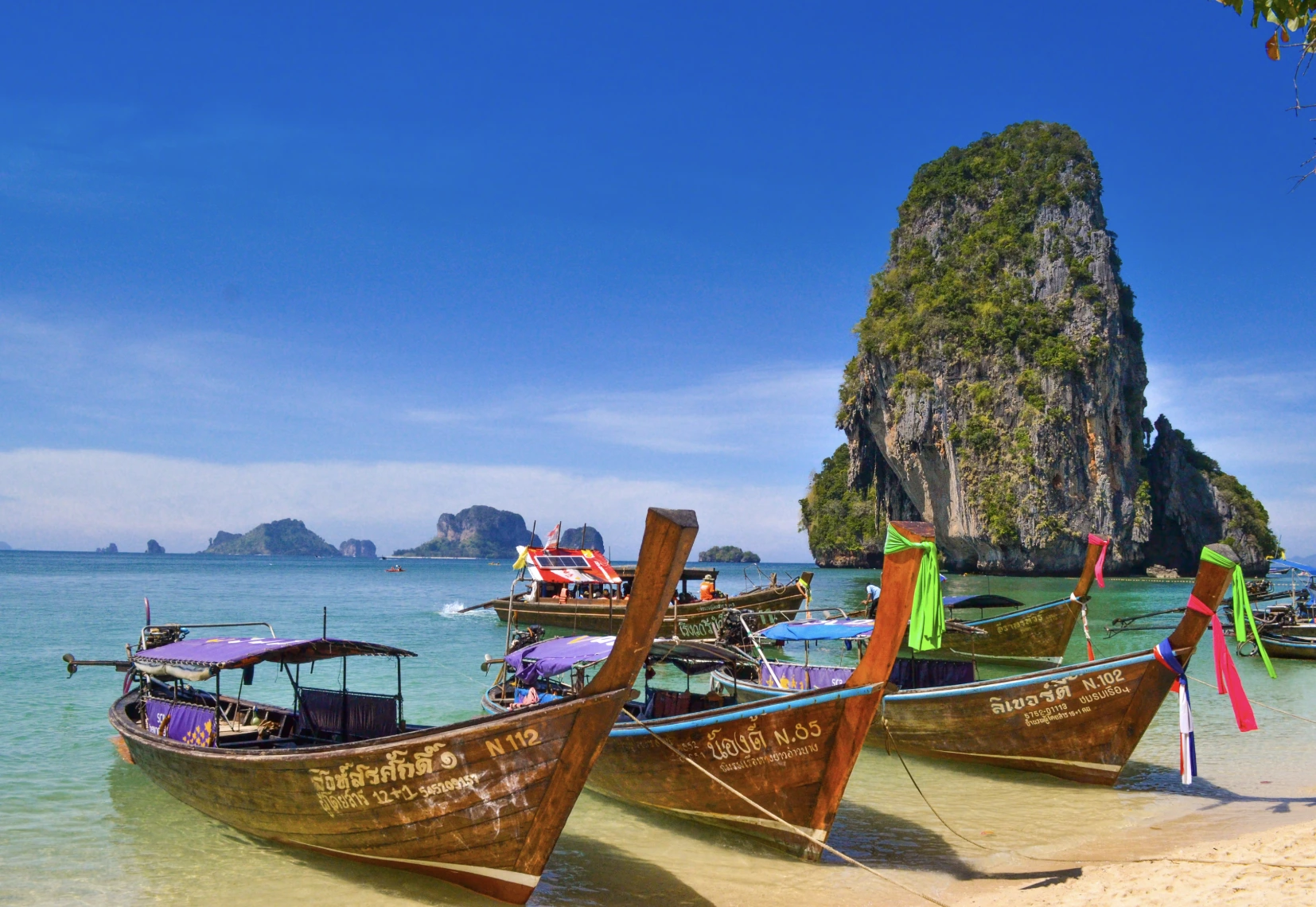
The Andaman Coast includes Phuket, Krabi, and Phi Phi Islands. It is the classic Thai beach area, known for white sands and clear waters. The coast is more sensitive to seasonal rainfall. November to February is usually dry and comfortable, while May to October brings higher chances of heavy rain.
Travelers seeking predictable beach days generally stick to the drier months. This coast pairs well with itineraries that start in Bangkok and finish with a beach stay. Adjustments may be needed during wet months, like focusing on early mornings for tours and using hotel pools in the afternoons.

The Andaman Coast feels easiest in dry months, with calmer seas and clearer skies.
Gulf Coast
The Gulf Coast, including Koh Samui, Koh Phangan, and Koh Tao, follows a different pattern than Phuket/Krabi. Rain peaks usually occur between October and December, while January to April tends to be drier. This coast offers a softer pace for beach trips, with fewer extreme weather swings than the Andaman during some months.
The Gulf Coast works well for Bangkok-to-beach itineraries and for travelers who prefer a slower base without island-hopping. Choosing one main beach base is better than moving frequently, which can create extra transfer stress.
Below is a simple coast picker to help match travel style with route logic.
|
Coast |
Best For |
Easy Route Match |
|
Andaman (Phuket/Krabi area) |
Classic beaches and islands |
Bangkok → beach finish |
|
Gulf (Samui area) |
Softer pace and beach base |
Bangkok → beach finish (alternate coast) |
When planning the best time to visit Thailand and Vietnam, beach choice matters more than month alone. A good coast match often saves the trip.
Vietnam Timing Made Simple: North vs Central vs South
Vietnam's climate varies across its three regions. Understanding these differences simplifies planning the best time to visit Vietnam and Thailand together, whether it’s a focused Vietnam tour or a longer multi-country route.
Northern Vietnam: Best when cooler for walking and views
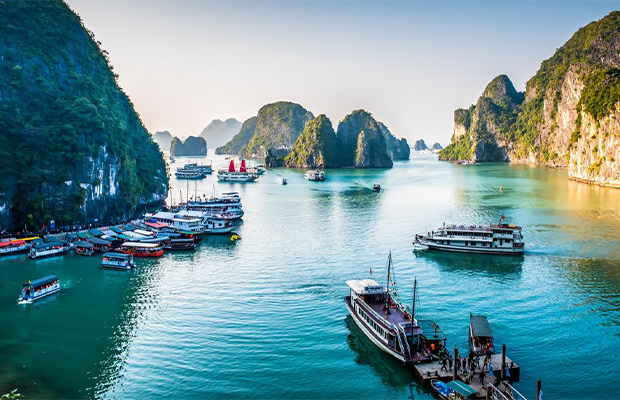
Northern Vietnam includes Hanoi, Halong Bay, and Ninh Binh. The region is coolest from November to February, which is ideal for walking, sightseeing, and river cruises. Summer brings heat and occasional rain, which can make tours less comfortable.
This region works best when paired with other cities that share similar weather. Travelers seeking cultural and nature experiences often plan northern Vietnam first, before moving south.

Cooler months make Northern Vietnam feel more comfortable for long sightseeing days.
Central Vietnam: Best in calmer months; later-year weeks can be risky for beach plans
Central Vietnam, including Hue, Da Nang, and Hoi An, is slightly trickier. Early in the year, conditions are stable for beaches and sightseeing. Later months, especially October and November, may bring storms and strong rainfall.
Travelers planning beach time here should always have a backup plan and avoid building the trip around perfect sunny days. Flexible scheduling is key. Spending extra days in cities or cultural spots can protect the trip from weather disruptions.
Southern Vietnam: Best when drier (rainy months still workable with flexible plans)
Southern Vietnam, including Ho Chi Minh City and the Mekong Delta, is warm year-round. Its rainy season is concentrated between May and September, with short heavy showers that often clear quickly. Flexible planning can turn wet-season travel into an opportunity for fewer crowds and hotel deals.
South Vietnam works well in combination with Thailand's beach routes. Even during rainy months, city tours and river excursions are usually manageable if schedules allow light transfer days and indoor breaks.
The following quick table shows the general weather patterns across Vietnam’s three regions, helping you decide which months work best for your route and activities:
|
Region |
Best Months |
Notes |
|
North Vietnam |
November–February |
Cool, dry, ideal for sightseeing |
|
Central Vietnam |
February–August |
Calmer months for beaches; watch storms later in year |
|
South Vietnam |
November–April |
Drier season; rainy months still workable with flexible plans |
Small practical advice matters. For Hoi An beach trips, travelers should keep backup indoor activities. This approach ensures the journey remains enjoyable even when a few beach days are rainy. In general, aligning routes with seasonal patterns offers more consistent comfort than relying on a single "best month" claim.
This section clarifies the regional logic needed to plan your trip. Thailand's two coasts and Vietnam's three regions determine the best windows for each stop. By understanding these differences, travelers can choose when to visit Thailand and Vietnam in a way that maximizes comfort, sightseeing, and beach opportunities.
Best Time for a Classic Thailand + Vietnam Trip: November–February
Traveling between Thailand and Vietnam during November to February offers a smoother experience for most routes. Weather is more comfortable, transfers are easier, and cities, beaches, and cultural sites are easier to enjoy, especially on a classic Thailand and Vietnam tour route.
Why It Works: Comfortable Touring and Scenic Travel
November through February is ideal for travelers seeking a mix of cities, culture, and nature. In Thailand, Bangkok is cooler and easier to explore on foot, and Chiang Mai offers pleasant mornings for temple visits and hilltop scenery.
Beach destinations, whether on the Andaman or Gulf Coast, are generally sunny and calm during these months, making it easy to plan a relaxing finish to your trip.
Northern Vietnam also enjoys dry, comfortable weather. Hanoi’s streets, Halong Bay cruises, and the landscapes of Ninh Binh are much more enjoyable when humidity is low and daytime temperatures are moderate.
Central and southern Vietnam are also workable during this period, allowing for a balanced route that combines urban experiences, historic towns, and coastal stops without major weather interruptions.
What to Watch: Peak Weeks and Higher Prices
The main downside of traveling during this period is that it coincides with peak travel weeks. Hotels and resorts fill quickly, and prices rise, particularly around Christmas, New Year, and Tet in Vietnam. Popular attractions may also be busier, which can affect tours and transfer times.
Travelers need to plan ahead for this season. Staying flexible on accommodations and avoiding last-minute changes is key. Choosing slightly less busy areas or adjusting travel dates by a few days can make a big difference, keeping the trip more comfortable while still enjoying the best weather windows.
Tip: Early Booking for Key Flights and Hotels
To make the most of November to February, booking key flights and hotels early is essential. This is especially true for Halong Bay cruises, popular beaches, and city-center accommodations in Bangkok, Chiang Mai, Hanoi, or Ho Chi Minh City. Early reservations reduce stress and secure the best options.
Planning transfers in advance also helps smooth travel days. Flights between Thailand and Vietnam or internal connections in Vietnam are easier to manage when booked ahead. This proactive approach allows travelers to enjoy the classic route without last-minute disruptions or inflated costs.

From November to February, most routes feel smoother and more comfortable.
Best Value Time: March and October
For travelers who want pleasant weather without peak-season crowds, March and October offer an excellent balance. These months provide workable conditions across many parts of Thailand and Vietnam while keeping prices lower than the November–February peak. Timing your trip in these windows allows for smoother sightseeing and more relaxed travel days.
March: Warm but Workable
March is warm across Thailand and Vietnam, but the heat is generally manageable for city tours and cultural activities. Bangkok and Chiang Mai are pleasant in the mornings, and the beaches on both coasts of Thailand are usually sunny with fewer crowds than in peak season.
Northern Vietnam also works well. Hanoi, Halong Bay, and Ninh Binh remain comfortable for sightseeing. The warmth encourages outdoor activities, but planning early tours and afternoon breaks helps maintain comfort during hotter hours.
October: Mixed but Often Good Value
October sits in the shoulder season, offering fewer tourists and lower prices. Thailand’s coasts and many cultural sites feel quieter, making it easier to enjoy attractions without the rush of peak months.
Northern Vietnam sees greener landscapes after the rainy season, creating beautiful scenery. Travelers often find excellent hotel deals and less crowded tours during this period. Flexibility is key, as the weather can be slightly unpredictable, but overall, October remains a strong value month.
Central Vietnam Coast: Watch the Weather
The central coast, including Hue, Da Nang, and Hoi An, can become less stable later in the year. Occasional storms may disrupt beach plans, so having a backup indoor activity or flexible schedule is important.
Planning buffer days or swapping beach time for city or cultural tours reduces risk. Even in October, most trips can stay enjoyable if Central Vietnam stops are approached with flexibility and alternative options in mind, especially when comparing beaches in Vietnam and Thailand for the same travel month.

Beach comfort can change by coast and month, even within the same region.
Cheapest Time to Visit Thailand and Vietnam: May–September
Traveling during the cheapest months can be highly rewarding, but it comes with trade-offs. From May to September, rain and humidity appear more often, and some plans may need adjustment, especially during the Thailand rainy season and the Vietnam rainy season .
With careful preparation, however, travelers can enjoy both countries at lower costs without losing comfort.

Rainy season often brings short showers, not all-day rain.
What to Expect: Rain, Humidity, and Plan Changes
During the low season, short rain showers are common across Thailand and Vietnam. These usually last a few hours, but occasional heavier storms can affect transfers or outdoor activities. Humidity levels are higher, especially in southern Vietnam and Thailand’s tropical regions, which may make walking tours or city exploration more tiring.
Travelers should anticipate occasional plan adjustments. Some flights or boat trips may be delayed due to weather. Despite this, careful scheduling and flexibility allow most planned activities to continue. Understanding what is normal for the season helps reduce stress and keeps expectations realistic.
How to Still Enjoy: Add Buffer Days
Buffer days are essential. Adding one or two flexible days into the itinerary helps absorb any weather-related disruptions. Light transfer days reduce fatigue, and staying in well-located hotels simplifies sightseeing, shopping, and dining, even if rain interrupts part of the day.
Reducing the number of stops also makes the trip more manageable. Spending longer in each location allows for recovery from wet or hot weather and ensures travelers can enjoy the main highlights without rushing. With these adjustments, even the cheapest months can feel comfortable and fun.

Indoor stops keep the day enjoyable when rain arrives.
Comfort Upgrade Rule: Smart Investment
One practical strategy is selective upgrades. Instead of upgrading all accommodations during wet-season travel, choose one or two key hotels in prime locations for extra comfort. These could be central city hotels, scenic stays, or beach resorts where a little luxury improves overall experience.
This approach balances cost and convenience. It helps travelers enjoy the trip fully without overspending. Upgrading selectively gives a sense of comfort during the wettest or hottest periods while still benefiting from lower overall travel costs.
|
Season |
Weather Notes |
Travel Tips |
|
November–February |
Comfortable, dry |
Book peak weeks early |
|
March |
Warm, still workable |
Flexible city tours, lighter transfers |
|
October |
Shoulder season, fewer crowds |
Backup plans for Central Vietnam beaches |
|
May–September |
Rainy, humid, cheaper |
Buffer days, selective hotel upgrades, indoor activity options |
Understanding how these time windows interact with regional weather allows travelers to align trips with priorities. Even during the cheapest months, careful planning ensures sightseeing, beaches, and transfers remain manageable.
Peak Weeks & Festivals That Affect Prices and Crowds
Timing a trip around peak weeks and festivals can make a big difference in comfort and cost. In Thailand, the Songkran festival in April brings large domestic crowds. While it is a fun and unique experience, roads, attractions, and hotels fill quickly. The heat during this month adds another challenge, so early bookings or avoiding the busiest areas helps travelers stay comfortable.
In Vietnam, Tet —the Lunar New Year—creates high domestic travel volumes. Flights, trains, and popular hotels sell out quickly. Many businesses close temporarily, which can limit sightseeing options. Adjusting itineraries slightly, reducing transfers, and confirming reservations in advance reduces stress, especially when checking major dates across Vietnam festivals .
Christmas and New Year's weeks affect both countries. Major cities and tourist hotspots see higher prices and fuller hotels. Travelers who plan trips during these weeks should limit transfers and prioritize key accommodations. With careful planning, peak-week travel remains feasible, especially if travelers accept slightly higher costs in exchange for festive experiences.

Festival weeks change transport pressure and hotel availability fast.
Thailand and Vietnam Weather Month-by-Month Snapshot
Understanding how weather varies month by month helps align itineraries with comfort, activities, and routes. Thailand and Vietnam do not share identical patterns, so planning requires a nuanced approach, especially when trying to plan a Thailand and Vietnam trip with fewer surprises.
|
Month |
Thailand Feel |
Vietnam Feel |
Best Route Direction |
|
November–February |
Most comfortable, cooler |
North cooler, south pleasant |
Culture and city-focused north-to-south routes |
|
March |
Warmer but still smooth |
Warmer, workable for cities and food |
Balanced itineraries with cities first |
|
April |
Hottest period |
Hot in many areas |
Early tours, lighter afternoons, pool hotel options |
|
May–August |
Wetter weeks, varies by region |
Humid with scattered rain |
Flexible city planning, fewer transfers, indoor options |
|
September–October |
Mixed, often easing |
Greener, shoulder-season feel |
North-focused and value-friendly routes |
This snapshot simplifies the planning process. Travelers can match destinations to months while considering weather risks, comfort, and transfer days. Knowing which regions are more predictable each month allows for flexible and practical travel strategies, including multi-country routes that connect smoothly into Thailand Cambodia Vietnam tours or broader Southeast Asia tours planning.

Good month-by-month planning makes transfers easier and days feel smoother.
Recommended Itineraries (Season-Matched)
Choosing an itinerary that matches the season and travel style ensures a smoother experience. This approach focuses on the traveler's main priorities rather than attempting to see every place regardless of conditions.
Comparing itineraries before booking helps identify the most practical plan. Matching the travel window to routes, city sequences, and beach locations avoids wasted transfers and missed experiences, especially when using a ready-made Thailand and Vietnam itinerary 2 weeks structure as a planning baseline.
|
Itinerary |
Best Travel Window |
Flights Range (Typical) |
Pace |
Best For |
|
A: Classic Cities + North Vietnam (14 days) |
Nov–Feb |
2–4 |
Balanced |
First-timers, families, couples |
|
B: Beach Finish (12 days, one base) |
Dec–April |
2–4 |
Relaxed |
Honeymooners, comfort travelers |
|
C: Full Story (21 days) |
Stable seasons |
3–6 |
Balanced–slow |
Travelers who want full depth without rushing |
14 Days Thailand and Vietnam Tour Itinerary A (Best in Nov–Feb)
Route: Bangkok – Chiang Mai – Hanoi – Halong Bay – Ninh Binh
Day 1–3: Bangkok
Day 4–6: Chiang Mai
Day 7–9: Hanoi
Day 10–11: Halong Bay cruise (1 night)
Day 12–13: Ninh Binh
Day 14: Depart
This route suits first-time visitors who want cities, culture, and scenery without a rushed pace. Spend Days 1–3 in Bangkok for temples, markets, and food.
Use Days 4–6 in Chiang Mai for a calmer rhythm, mountain views, and cultural sites. Fly to Hanoi for Days 7–9 to explore the Old Quarter, local food, and short city walks.
Use Days 10–11 for a Halong Bay cruise with one night onboard, then keep Days 12–13 for Ninh Binh’s landscapes and quiet countryside. Day 14 works best as a simple departure day from Hanoi.
Travelers can swap destinations based on preferences. Beach lovers can replace Ninh Binh with a Thailand beach base, while those sensitive to haze may prefer extra days in Bangkok instead of Chiang Mai.

Hanoi feels easiest to explore on calm evenings with short city walks.


12 Days Thailand and Vietnam Tour Itinerary B (Best in Dec–Apr)
Route: Bangkok – Ho Chi Minh City – Mekong – Beach base (Thailand coast OR Phu Quoc)
Day 1–3: Bangkok
Day 4–6: Ho Chi Minh City
Day 7: Mekong day trip
Day 8–12: One beach base
This route fits travelers who want a smooth city start and a simple beach finish, with fewer hotel changes. Spend Days 1–3 in Bangkok for major temples, markets, and food spots. Then, fly to Ho Chi Minh City for Days 4–6 to cover key history sites, easy neighborhood walks, and evening street-food time.
Keep Day 7 for the Mekong Delta as a focused day trip with Vietnam Mekong delta tours that stay easy and well-paced, then shift into rest mode for Days 8–12 with one beach base.
If you pick Thailand, choose the Andaman for a classic beach feel or the Gulf for a calmer base, depending on your month. If you pick Phu Quoc, plan relaxed days with light outings and a flexible schedule. For heat-sensitive travelers, start early, then keep afternoons slow with indoor breaks or pool time.

A Mekong day trip adds a relaxing nature break between city stays.

21 Days Thailand and Vietnam Tour Itinerary C (Best Balance)
Route: Bangkok – Chiang Mai – Hanoi – Halong – Hoi An – Ho Chi Minh City – Mekong
Day 1–3: Bangkok
Day 4–6: Chiang Mai
Day 7–10: Hanoi + Halong (1 night cruise)
Day 11–13: Hoi An
Day 14–17: Ho Chi Minh City + Mekong
Day 18–21: Buffer/rest days (add beach OR slow city time)
This route is for travelers who want deeper coverage across both countries without rushing. Spend Days 1–3 in Bangkok for city highlights and food, then use Days 4–6 in Chiang Mai for temples, markets, and a slower pace. Fly to Hanoi for Days 7–9 to explore the Old Quarter, museums, and local day tours, then set Days 10–11 for a Halong Bay cruise with one night onboard.
Use Days 12–13 as a reset block, either in Hanoi or Ninh Binh, to balance the trip before moving on. Spend Days 14–16 in Hoi An for heritage streets, cafes, and optional beach time, then fly south for Days 17–19 in Ho Chi Minh City with one Mekong-focused day built in. Keep Days 20–21 as buffer days for weather, rest, or a final beach add-on.
If Central Vietnam timing is uncertain, Hoi An can be swapped for Ninh Binh or extra northern days. For fewer hotel changes, travelers can remove one stop and extend stays at main hubs. This flexibility allows alignment with weather, comfort, and personal preferences.

Hoi An is a great reset stop with easy walks and cafe breaks.
Make the Thailand and Vietnam Itinerary Fit Your Group
No two travelers are the same, and the perfect route depends on your group type. Whether you are traveling with family, as a couple, or in a luxury or senior-focused group, small adjustments can make a big difference.
The key is aligning your pace, accommodations, and transfer days with the needs of your group.
|
Traveler Type |
Best Base Plan |
Best Swap |
What to Avoid |
|
Family |
Itinerary A |
More pools, shorter tours |
Early starts every day |
|
Honeymoon |
Itinerary B |
Better hotels, slow mornings |
Too many stops |
|
Luxury |
A or B |
Private transfers, fewer cities |
Changing hotels often |
|
Seniors |
A (slower) |
Longer stays in hubs |
Back-to-back travel days |
The following sections break down each recommendation and share practical rules to make planning smoother.
Family-Friendly Planning
Families often need more downtime and shorter tours each day. Itinerary A, the 14-day classic route, works well because it balances cultural sites, nature, and city experiences without excessive transfers, and it matches the rhythm of a practical Vietnam family tour style.
Early starts every day can be tiring for younger travelers. Limiting long travel days and including rest or pool time ensures the trip remains fun and relaxed. Families benefit from keeping two to three nights per stop to reduce packing and moving stress.

More downtime and fewer moves help family trips feel easier.
Honeymoon and Couples Travel
Couples or honeymooners usually prefer slower mornings, better hotels, and fewer stops. Itinerary B suits this group with a relaxed pace, focusing on comfort, cultural highlights, and a beach finish, especially with Thailand honeymoon tour or Vietnam honeymoon tours add-ons.
Overloading the schedule with too many stops can reduce enjoyment. Limiting transfers and choosing high-quality accommodations at each stop allows couples to savor each location without feeling rushed.

A slower beach finish makes honeymoon trips feel more special.
Luxury and Consultant Travel
Luxury travelers or consultants often prioritize private transfers, fewer cities, and longer stays at key hubs. Both Itinerary A and B can be adapted for these needs. Exclusive accommodations, private guides, and limited transfers make the trip more seamless.
Avoid frequent hotel changes, as this can increase stress and reduce time for sightseeing. Instead, extend stays in central locations and plan transfer days with only one light activity. Buffer days are recommended, especially in wetter months.
Seniors and Slower-Paced Travel
Senior travelers benefit from a slower itinerary with longer stays at hubs and minimal daily transfers. Itinerary A, modified for pace, works well by keeping two to three nights per stop and avoiding back-to-back city days.
Shorter tours, fewer flights, and easy access to attractions are key. Placing the beach at the end of the trip allows for rest and relaxation before departure, making the overall experience more enjoyable.
Practical Rules for All Groups
To keep itineraries smooth, a few rules apply to every traveler type. Two to three nights per stop is optimal, reducing packing and transfer fatigue. Placing the beach at the end gives a relaxing finish.
Transfer days should include only one light activity to prevent burnout. If a change requires a flight, it is usually more efficient to stay longer at the current location. Buffer days are especially useful in wetter months to accommodate unexpected weather or delayed transfers.
Budget, Hotels, and Transport Tips
Traveling through Thailand and Vietnam can suit a variety of budgets, styles, and comfort levels. Planning carefully helps travelers maximize their experience without overspending.
This section covers typical budget ranges, the best areas to stay in each city, and tips for getting around efficiently.
Budget Ranges
Budgeting depends on your travel style and the season. Budget travelers can enjoy hostels, street food, and public transport at very reasonable prices. Mid-range travelers often combine boutique hotels, guided tours, and occasional flights for a balance of comfort and cost.
Comfort and luxury travelers can access serviced apartments, resorts, private transfers, and exclusive cruises. Even in peak months, strategic planning ensures travel remains smooth and enjoyable across all budgets.
|
Budget Category |
Thailand & Vietnam Cost Notes |
|
Budget |
Hostels, street food, public transport; flexible timing reduces cost |
|
Mid-range |
Boutique hotels, guided tours, occasional flights; balance comfort and price |
|
Comfort |
Serviced apartments, small resorts, flights in advance; smoother travel flow |
|
Luxury |
Premium resorts, private transfers, exclusive cruises; best for minimal stress |
Best Areas to Stay
Where you stay in each city significantly affects convenience and comfort. In Bangkok, central districts near the rivers or BTS/MRT lines simplify sightseeing and short trips. Chiang Mai’s Old City and surrounding neighborhoods keep you close to markets, temples, and tours.
In Vietnam, Hanoi’s Old Quarter is ideal for cultural walks and Halong Bay transfers. Hoi An requires proximity to both the town center and nearby beaches. Ho Chi Minh City hubs near District 1 allow easy access to historic sites and day trips to the Mekong Delta. Staying in the right area reduces transfer time and lets you enjoy more activities.
|
City |
Best Areas to Stay |
Notes |
|
Bangkok |
Sukhumvit, Riverside, Silom |
Central, close to transport and attractions |
|
Chiang Mai |
Old City, Nimmanhaemin |
Easy access to temples and markets |
|
Hanoi |
Old Quarter, Hoan Kiem |
Convenient for tours and Halong Bay trips |
|
Hoi An |
Old Town, Cua Dai Beach |
Close to heritage sites and beach |
|
Ho Chi Minh City |
District 1, Pham Ngu Lao |
Near attractions and Mekong Delta access |
Getting Around
Efficient transport planning is key to a smooth trip. For long distances, flights save time compared to trains or buses. Booking early is crucial, especially during peak seasons or when connecting Thailand to Vietnam with the most practical flight timing.
Transfer days should remain light, with only one main activity, to prevent fatigue. Halong Bay cruises, in particular, need early reservations during high-demand months to secure cabins and avoid last-minute stress. A mix of flights, buses, and private transfers allows flexibility while keeping the journey comfortable.

Simple flight planning saves time and keeps travel days stress-free.
FAQs: Best Time to Visit Thailand and Vietnam
Is December good for both countries?
Yes, December is a great month for Vietnam and Thailand. Northern Vietnam feels cooler, so walking around cities is much easier. Thailand is mostly dry and sunny, so beach days are smooth and relaxing. The main thing to know is that December is a busy month. Prices go up and popular places fill fast. If you want good flight times and nice hotels, it’s best to book early.
When is the best time for beaches in Thailand and Vietnam?
Thailand has two main beach areas, and the timing is a little different. For Phuket and Krabi (Andaman Coast), November to February is usually the best. For Koh Samui (Gulf Coast), January to April often works better. In Vietnam, the best beach weather is in the south. Places like Phu Quoc are driest from November to April. If you choose your beaches around these months, your trip feels much easier.
What about Halong Bay cruises?
Halong Bay cruises are very nice from November to February. The weather is cooler, and the sea is often calmer, so the boat ride feels more comfortable. It’s a great time for kayaking, caves, and relaxing on the deck. Some days can be a bit cloudy or misty, but many travelers actually enjoy that atmosphere. If you combine Halong Bay with Central Vietnam beaches, try to avoid the storm months so your plan stays smooth.
When is Central Vietnam less reliable for beach plans?
Central Vietnam can be tricky in October and November. These months may bring heavy rain and storms, so beach time is not always safe or enjoyable. If you travel then, it’s smart to keep flexible plans and add indoor options like cafés, local markets, museums, or cooking classes. For better beach weather, February to August is usually the easiest time. During these months, the sea is calmer and beach days feel more reliable.
How many days do I need for both countries?
If you want to see both Vietnam and Thailand, 12–14 days is the minimum for a smooth trip. You can cover the main highlights and still have time for a beach break. If you want a fuller trip—north, central, and south Vietnam plus Thailand’s major spots—21 days is much better. You won’t feel rushed, and you can enjoy slower mornings, local food, and more real travel moments.
Which order is better: Thailand first or Vietnam first?
Both orders are good, so it depends on what you want. Thailand first is often a softer start. You can enjoy Bangkok, then rest on the beach, then move into Vietnam’s cities and culture. Vietnam first works well if you want a north-to-south journey with history, scenery, and street food. The best choice is usually the one that fits the weather best, especially for beach stops.
What should I book early in peak season?
In peak season, book flights, hotels, and Halong Bay cruises early. These are the first things to sell out, especially the best cruise boats and well-located hotels. Busy times include Christmas, New Year, Tet in Vietnam, and Songkran in Thailand. If you book early, you also get better prices and better schedules. It makes the whole trip easier, because you spend less time fixing last-minute changes.
How do I avoid changing hotels too often?
Try to stay at least 2–3 nights in each place. This simple change makes your trip feel much calmer. You won’t waste time packing, checking in, and moving every day. Also, avoid flying on back-to-back days if you can. Keep the route clean and realistic. Many travelers like to put the beach at the end, because it’s the perfect way to slow down after busy cities. Less moving = more enjoying.

Conclusion
The best time to visit Thailand and Vietnam depends on your priorities, route, and travel style. For most travelers, November to February offers comfortable weather for city touring, nature, and beach relaxation. March and October provide strong value with fewer crowds and lower costs. May to September is ideal for budget travelers willing to be flexible with rain, heat, and timing.
Routes matter more than months. Thailand's Andaman and Gulf coasts behave differently, and Vietnam's north, central, and south regions each follow distinct weather patterns. Choosing the right base for each leg of the journey ensures your trip is enjoyable and avoids weather surprises.
We at IndoChinatour.com help travelers match their dates, routes, and priorities for Thailand and Vietnam trips. Whether you want a 12-day beach finish, a 14-day classic cultural tour, or a 21-day full story route, we provide guidance, suggestions, and bookings that suit your style.
Planning with experience makes all the difference. Get in touch to share your preferred travel dates and style with us, and we will help design a season-matched itinerary tailored to your needs. No matter your travel style—family, honeymoon, luxury, or adventure—we help you plan a route that avoids common travel pitfalls while making the most of each location.
Pheakdey
Before I recommend a multi-country route, I check the connections first.
I’ve spent 8 years planning Indochina trips, and multi-country journeys make up much of my work. A badly timed flight, a rushed border crossing, or a hotel in the wrong part of town can affect more than one day.
Many recent client reviews mention the itineraries I designed. The questions they ask—about timing, transfers, and whether a route really works—often become the starting point for what I write.
Email me about your travel idea


.jpg)