

Can I Travel to Vietnam in 2026? Your Questions Answered (A Simple Guide)

Ivy
I’m Ivy. Over the past 10 years, I’ve planned private trips for more than 500 travelers, and those journeys have received 100% positive feedback.
In 2018, I traveled solo across Indochina. Since then, I’ve looked at routes differently. Some need another night. Some transfers take too much time for too little reward. And sometimes, an itinerary simply has too much packed into it.
That is the kind of detail I focus on when I write—how long to stay, which route makes sense, and what is actually worth including.

 Email me about your travel idea
If you’re looking for “Can I travel to Vietnam in 2026?”, the answer is YES. Vietnam has fully reopened to international tourists from around the world. In fact, in 2026, the Vietnamese government made entry easier than ever for tourists.
Many nationalities qualify for visa-free entry for stays up to 45 days, while others can obtain an e-visa online in just a few days. We have put together this guide to help you understand how to visit Vietnam smoothly. Planning ahead ensures your trip is smooth, enjoyable, and full of memorable moments.
 Is It Safe to Go to Vietnam Right Now?
Do You Need a Visa to Go to Vietnam?
What Is the Best Time to Visit Vietnam?
How to Plan a Vietnam Tour in 2026?
How Much Do I Need to Prepare for Vietnam Travel?
How to Get Around Vietnam Easily?
Where to Stay in Vietnam When Traveling?
Can I Use US Dollars in Vietnam?
What Language Do They Speak in Vietnam?
Is It Safe to Go to Vietnam Right Now?
Yes, it is perfectly safe to go to Vietnam right now. Safety ranks as a top concern for anyone planning international travel. The good news is that Vietnam consistently ranks as one of the safest countries in Southeast Asia for tourists. Political stability has remained strong for years, and the government welcomes tourism with a well-developed infrastructure.
Most visits are trouble-free, and travelers often feel comfortable exploring cities, villages, and remote areas. However, petty theft can happen, particularly in crowded tourist areas or at transport hubs. It is important to stay alert, secure your belongings, and avoid flashing valuables.
Additionally, like any popular tourist destination, scams targeting tourists can also occur, but occasionally. Some taxi drivers use rigged meters or take intentionally long routes. Using reputable companies and ride-hailing apps like Grab helps you avoid most problems.
For your 2026 Vietnam tour, having travel insurance is highly recommended. Health coverage helps you deal with unexpected events, medical emergencies, or travel disruptions. Carrying a copy of your passport and keeping digital backups also adds extra security and peace of mind while exploring the country.
 Hanoi's Old Quarter is lively and full of local charm.
Do You Need a Visa to Go to Vietnam?
Vietnam Visa requirements depend on your nationality and how long you plan to stay. Vietnam has expanded its visa exemption program in recent years. As of 2026, citizens from many countries can enter Vietnam without a visa for stays ranging from 14 to 45 days, depending on their nationality.
This exemption list includes most European countries, several Asian nations, and a growing number of others. Check current requirements for your specific passport before booking flights. For travelers who need a visa or want to stay longer, the e-visa system offers convenience. You apply online through the official Vietnam immigration website.
The e-visa process takes about 15 minutes. You upload a photo and passport scan, fill out basic information, pay the fee (around $25 to $50), and receive your visa approval within three to five business days. The e-visa allows stays up to 90 days and permits multiple entries. Vietnam requires your passport to have at least six months of validity before visiting Vietnam.
 A sample of Vietnam E-Visa.
What Is the Best Time to Visit Vietnam?
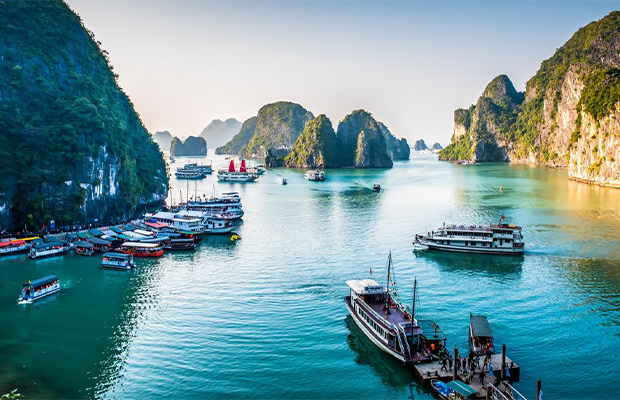
Overall, the best time to visit Vietnam is from October to April. Northern Vietnam, including Hanoi and Halong Bay, has cooler weather from October to April. Summers are hot and humid with occasional heavy rain. Visiting in the dry season gives you comfortable temperatures and clear skies, ideal for sightseeing and outdoor activities.
Central Vietnam, including Hoi An and Da Nang, experiences dry weather from February to August. Rainfall is more common in the later months, which can affect beach and outdoor plans. Southern Vietnam, including Ho Chi Minh City and the Mekong Delta, is warm year-round, with a dry season from December to April.
Timing your trip correctly allows you to enjoy festivals, sights, and scenic boat tours without disruption. Planning a Vietnam tour early for the high season in 2026 helps secure hotels, tours, and popular attractions. Even during off-peak months, Vietnam offers value, fewer crowds, and unique local experiences.
 December is a great month to cruise on Halong Bay.
How to Plan a Vietnam Tour in 2026?
Planning a Vietnam tour starts with deciding which regions you want to explore and how much time you have. Most visitors spend between one and three weeks, depending on their schedule.
The classic 14 day north-to-south Vietnam tour route starts in Hanoi, moves through Halong Bay, continues to central Vietnam (Hue, Hoi An, Da Nang), then finishes in Ho Chi Minh City and the Mekong Delta. This progression follows the natural flow of the country. The reverse south-to-north route works just as well.
You can also customize tours with us. These tours add flexibility. You can adjust your pace, choose activities that interest you, and include special experiences like cooking classes, hiking trips, or floating village visits. Local agencies provide insider knowledge that helps create smoother itineraries.
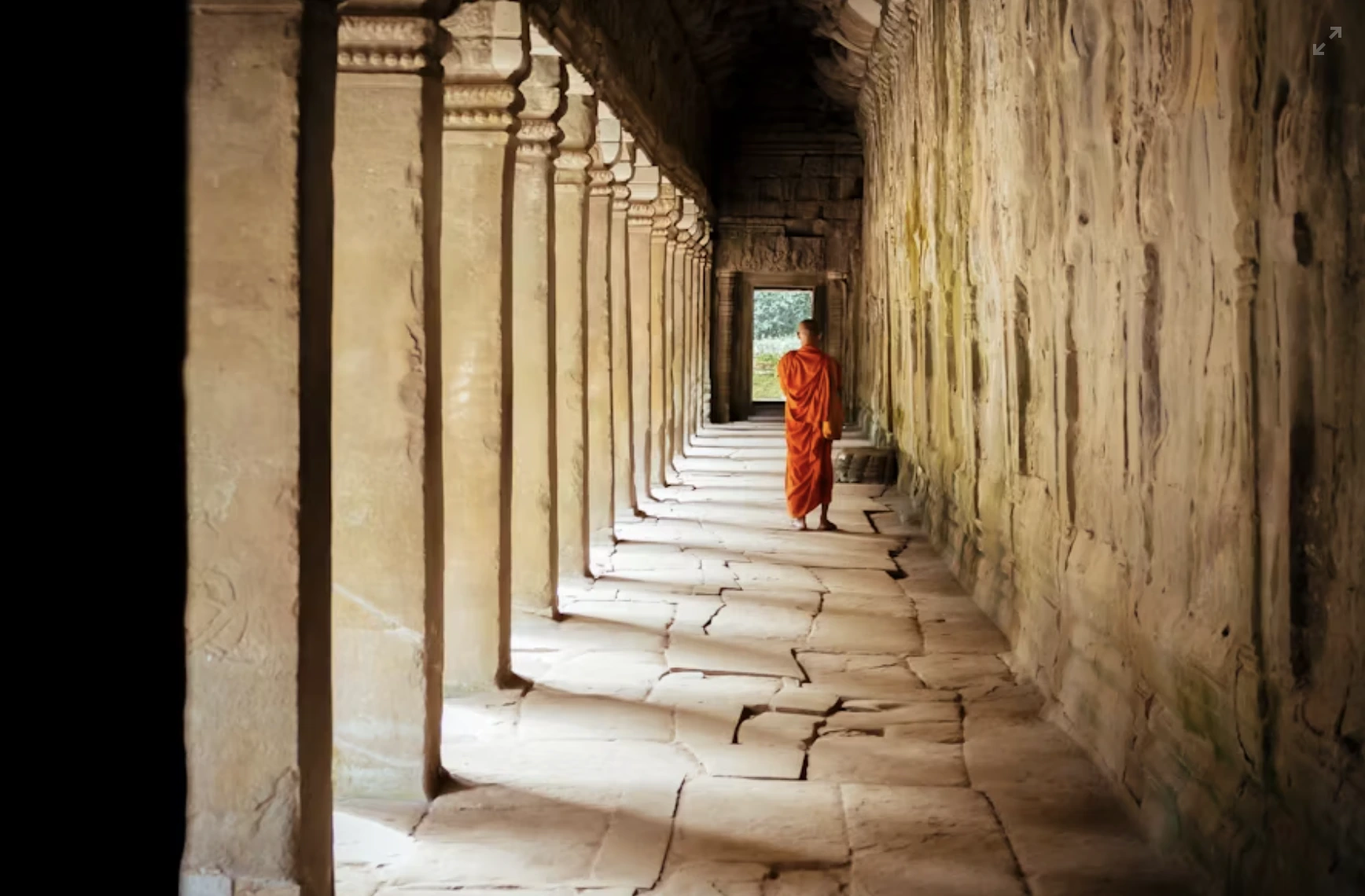
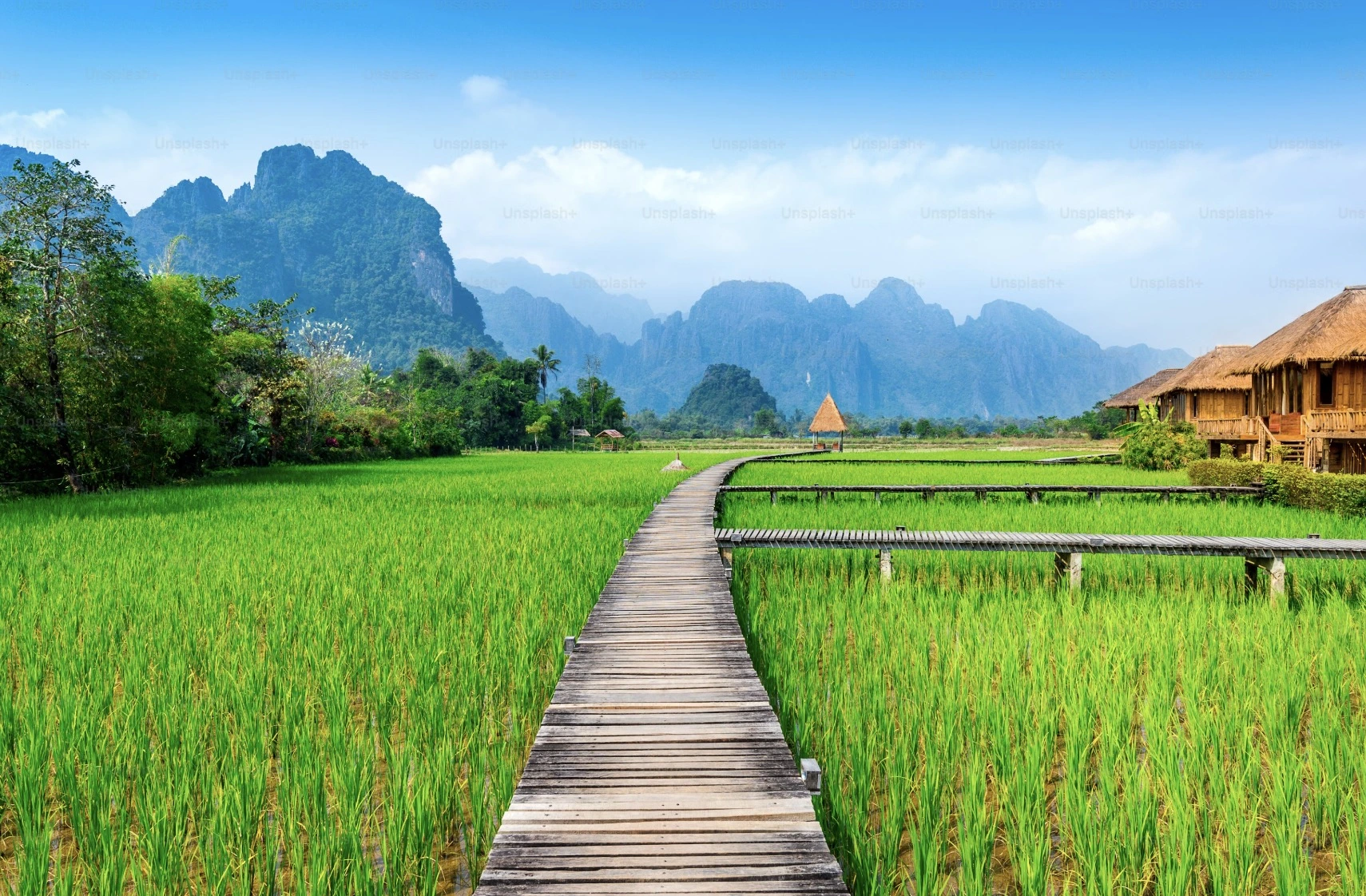
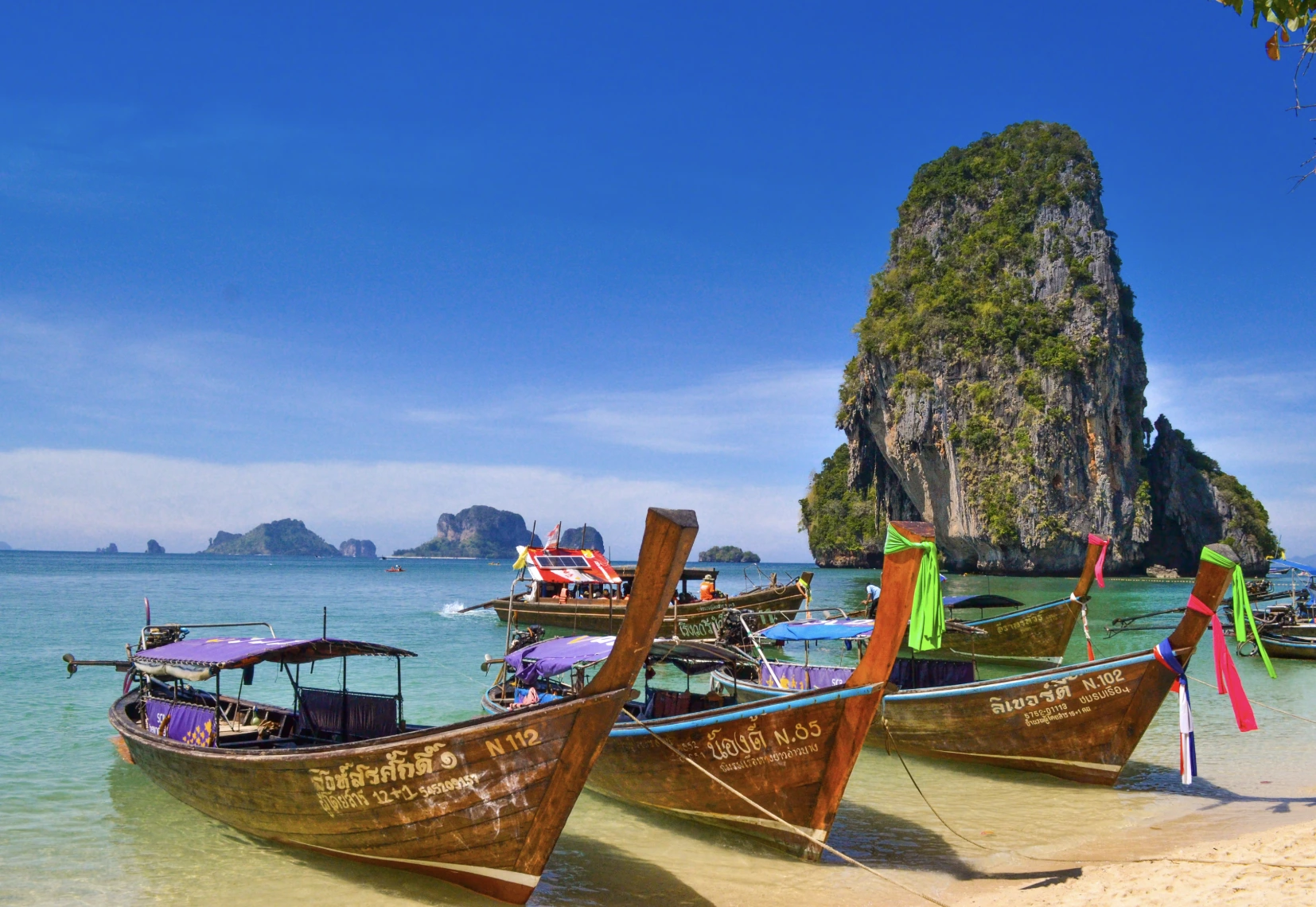
It’s also possible to combine Vietnam with neighboring countries such as Cambodia, Laos, or Thailand. This adds diversity to your trip and allows you to see more of Southeast Asia in one Southeast Asia tour.


How Much Do I Need to Prepare for Vietnam Travel?
Vietnam offers exceptional value compared to many other destinations. Budget travelers can manage on $30 to $50 per day. This covers hostel beds, street food meals, local buses, and free or low-cost attractions.
Mid-range travelers typically spend $80 to $150 per day. This budget allows nice hotels or boutique guesthouses, sit-down restaurant meals mixed with street food, private transportation or domestic flights, and entrance fees to museums and attractions. Luxury travelers can expect costs of $250 per day and up.
Food is affordable, and street vendors serve fresh and delicious meals. You can save money on the cost of food in Vietnam by enjoying local cuisine while splurging on special activities like Halong Bay cruises or cultural performances. Planning your spending ahead helps balance comfort and value.
 Vietnam's street food is famous and attracts many visitors.
How to Get Around Vietnam Easily?
Vietnam has multiple ways to get around, including flights, trains, and buses. Domestic flights connect major cities quickly, making long distances manageable. Vietnam Airlines, VietJet, and Bamboo Airways operate frequent routes. Through them, flying from Hanoi to Ho Chi Minh City takes about two hours.
Trains offer scenic alternatives for certain routes. The Reunification Express runs the entire length of Vietnam with stops in coastal cities. Vietnam overnight trains and river cruises add variety to your journey and create memorable experiences.
Buses and private cars are flexible and convenient for groups or regional travel. Within cities, taxis and the Grab app are reliable for short trips. Motorbikes give more freedom if you are comfortable riding, and they are common for local travel.
Using travel apps, online booking tools, and local guides helps you get around Vietnam smoothly. Planning transportation ahead for your 2026 trip ensures you spend more time enjoying attractions and less time worrying about logistics.
 Vietnamese trains have a special local style inside.
Where to Stay in Vietnam When Traveling?
Accommodation in Vietnam varies depending on your style and preferences. Major cities like Hanoi and Ho Chi Minh City offer everything from luxury hotels and boutique stays to comfortable mid-range options. Hoi An and Da Nang are known for charming guesthouses and boutique hotels, while budget travelers can find hostels and homestays scattered across the country.
Choosing the right location can make a big difference for any Vietnam luxury tour. In Hanoi, staying in the Old Quarter puts you close to markets, street food, and lively streets. Hoi An’s ancient town allows you to walk to shops, cafes, and cultural spots, while the nearby beach offers resort hotels with ocean access.
In Ho Chi Minh City, District 1 keeps you near Ben Thanh Market, backpacker streets, and museums, making sightseeing and dining easy and convenient. Booking early is important, especially during peak seasons or major festivals.
Mixing hotel types can also balance budget and experience. For example, spending a few nights in a luxury hotel while using mid-range hotels in smaller towns gives a comfortable yet economical trip.
 Ho Chi Minh City offers many luxury hotel options.
Can I Use US Dollars in Vietnam?
US dollars find limited acceptance in certain situations. Some hotels list prices in USD and accept payment in dollars. Tour agencies often quote prices in USD. However, the vast majority of daily transactions require Vietnamese Dong.
Official currency in Vietnam is the Vietnamese Dong, abbreviated as VND. Exchange rates in 2026 hover around 24,000 to 25,000 VND per US dollar. Street food vendors, local restaurants, markets, taxis, and shops all deal in local currency exclusively.
ATMs appear throughout Vietnam in all cities and most small towns. They dispense Vietnamese Dong directly from your bank account at rates close to official exchange rates. Credit cards work at hotels, upscale restaurants, and larger shops. Many places add a 3% surcharge to credit card transactions to cover their processing fees. These Vietnam travel tips help you prepare.
Carrying a small amount of cash is practical, especially in rural areas or markets. Planning how to manage money avoids unnecessary stress. Knowing where and when to exchange or use digital payments helps you focus on enjoying your trip.
 People usually pay with Vietnamese Dong when shopping.
What Language Do They Speak in Vietnam?
Vietnamese serves as the official language throughout the country. The language uses the Latin alphabet with additional diacritical marks that indicate tones. However, English has become increasingly common in tourist places in Vietnam.
Hotel staff, tour guides, and restaurant workers in popular spots often speak functional English, especially in destinations commonly included in top Vietnam tours. Major cities like Hanoi, Hoi An, and Ho Chi Minh City have strong English capabilities. Still, learning a few basic Vietnamese phrases improves your experience. "Xin chào" means hello. "Cảm ơn" means thank you. "Bao nhiêu tiền?" asks how much something costs.
Translation apps like Google Translate also work surprisingly well in Vietnam. The app can translate written text through your phone camera, which helps with menus and signs. Even with limited language skills, most travelers find Vietnam easy to navigate. Patience, smiles, and basic phrases make exploring the country easier and more enjoyable.

Is Street Food Safe to Eat in Vietnam?
Vietnamese street food ranks among the best in the world. Most travelers worry about Vietnam food safety before their first trip. The reality is that street food is generally safe when you follow basic guidelines. Look for busy stalls with high turnover. Food that sits for hours grows bacteria. Popular vendors cook fresh batches constantly because customers keep coming.
Choose dishes cooked to order in front of you. Watching your meal prepared over high heat provides reassurance. Grilled meats, stir-fried noodles, and soups that boil kill bacteria effectively. Don't drink tap water in Vietnam. Stick to bottled water with sealed caps.
Famous dishes worth trying include pho (noodle soup), banh mi (Vietnamese sandwich), bun cha (grilled pork with noodles), and spring rolls. Each region has specialties. Hanoi does pho and bun cha best. Hoi An excels at cao lau. Ho Chi Minh City offers everything.
 Tourists are tasting Vietnamese Rice noodles.
Conclusion
So, can I travel to Vietnam in 2026? Yes, and it is safe, welcoming, and full of amazing experiences. Understanding visas, timing, safety, transport, and local culture makes planning easier. Preparing a budget and booking accommodations and transport in advance ensures a smooth Vietnam trip.
Vietnam offers natural beauty, delicious food, and rich cultural experiences. With careful planning and local guidance, you can enjoy a memorable journey across the country. Contact us to tailor-make your own Vietnam tour, traveling to Vietnam in 2026 promises adventure, comfort, and unforgettable memories.
Ivy
I’m Ivy. Over the past 10 years, I’ve planned private trips for more than 500 travelers, and those journeys have received 100% positive feedback.
In 2018, I traveled solo across Indochina. Since then, I’ve looked at routes differently. Some need another night. Some transfers take too much time for too little reward. And sometimes, an itinerary simply has too much packed into it.
That is the kind of detail I focus on when I write—how long to stay, which route makes sense, and what is actually worth including.
Email me about your travel idea