

26 Useful Vietnam Travel Tips You Have to Know before a Vietnam Tour

Ivy
I’m Ivy. Over the past 10 years, I’ve planned private trips for more than 500 travelers, and those journeys have received 100% positive feedback.
In 2018, I traveled solo across Indochina. Since then, I’ve looked at routes differently. Some need another night. Some transfers take too much time for too little reward. And sometimes, an itinerary simply has too much packed into it.
That is the kind of detail I focus on when I write—how long to stay, which route makes sense, and what is actually worth including.

 Email me about your travel idea
The Socialist Republic of Vietnam is a diverse and friendly nation everyone should visit at some point, preferably sooner rather than later. Exceptional sightseeing opportunities, delicious cuisine, and excellent shopping are some of the features that make this Southeast Asian nation famous. To help you take home only pleasant memories from a trip to Vietnam, we reveal 20+ useful travel tips and insights every traveler should know.
 1. Double Check If You Need a Vietnam Visa When Traveling Vietnam
2. Do Not Worry about Safety; It Is Very Safe to Travel Vietnam
3. When Is the High Season to Travel Vietnam?
4. When Is the Shoulder Season for Traveling Vietnam?
5. It Is Very Cheap to Travel Vietnam
6. The Vietnam Locals Are Friendly, but a Little Bit Money-driven
7. Feel Free to Bargain When Traveling Vietnam
8. Pay in Vietnamese Dong When Traveling Vietnam
9. English Is Mostly Spoken in Larger Cities Like Ho Chi Minh and Hanoi, Vietnam
11. Consider Buying a SIM Card
12. Opt for Tourist Buses Instead of Local Transport
13. Be Ready for Heavy Traffic When Traveling Vietnam
14. Do Not Drink Tap Water When Visiting Vietnam
15. It Is a Paradise for Foodies and Vegetarians
16. Always Ask for the Price before Buying
17. Skip the Cheapest Accommodation When Traveling Vietnam
18. Never Miss a Halong Bay Cruise When Traveling Vietnam
19. Never Miss Traveling to Dalat or Hai Van Pass by Motorbike
20. Take an Overnight Train from Hanoi to Sapa, Vietnam
21. Hike through Terraced Rice Fields of Sapa, Vietnam
22. Explore Phong Nha Caves When Traveling Vietnam
23. Experience Tet Holiday in Vietnam, Similar to Chinese New Year
24. Dress and Act Respectfully When Visiting Temples in Vietnam
25. Avoid Taking Photos of Official and Military Structures
1. Double Check If You Need a Vietnam Visa When Traveling Vietnam
Most foreign visitors need a tourist visa to travel to Vietnam. However, nationals of certain countries, such as France, the UK, Thailand, and Malaysia, do not need this document. Furthermore, residents of around 80 countries can apply for a Vietnam e-visa.
Fees are 25 or 50 USD, depending on the duration of the stay. Besides, make sure your passport is valid for at least six months beyond your departure date. You will also need one empty page in your passport for a visa stamp.
2. Do Not Worry about Safety; It Is Very Safe to Travel Vietnam
Traveling in Vietnam is safe, even for solo female tourists, as long as you practice basic precautions. Like in every country frequented by foreign visitors, you may encounter a scammer wishing to take advantage of careless vacationers.
To stay on the safe side, avoid any imposed or "free" services and be 100% sure which banknote you handed over for payment, such as in a taxi. Also, practice great caution when crossing the street and do not leave your things out of sight or reach.
3. When Is the High Season to Travel Vietnam?
In general, the high tourist season is from November to April in Vietnam. However, there are exceptions to this rule, depending on the purpose of your trip and the destinations you intend to visit.
For example, spending time outdoors in North Vietnam is best from late autumn to mid-spring. On the other hand, enjoying the seaside of Central Vietnam, especially its southern part, is best during the summer months.
4. When Is the Shoulder Season for Traveling Vietnam?
If you have a limited budget but wish to holiday on Phu Quoc, come to this island in late spring or early summer. In Sapa, North Vietnam, the shoulder seasons are from September to November and during spring. For vacationing in and around Da Nang without tourist crowds in sight, go there from late winter to late spring, from February to May.
5. It Is Very Cheap to Travel Vietnam
Travelers usually manage well with $30 or $40 per day when traveling in Vietnam. With these budgets, you should not have issues traveling between destinations, sleeping in decent accommodation, and eating well.
If these amounts exceed your budget, you may even manage with $20 per day. In this case, however, be ready for certain compromises, especially regarding lodging and overall comfort.
 Vietnam is a super ideal destination for backpacking.
6. The Vietnam Locals Are Friendly, but a Little Bit Money-driven
During your Vietnam vacation, you are likely to meet many friendly locals. When doing commerce, though, you need to be careful since many vendors are money-driven. Having exact change is a useful precaution against being overcharged in different situations.
For example, street vendors selling fruit might walk away before giving change. Sellers might also try to give you a snack or something else instead of small change.
7. Feel Free to Bargain When Traveling Vietnam
Bargaining is a way of life in the Socialist Republic of Vietnam. Quite a few travelers are shocked when they ask for a price at first. However, haggling is likely to lower the amount significantly. Settling for around two-fifths of the initial price at markets is usually a good bargain.
8. Pay in Vietnamese Dong When Traveling Vietnam
Whenever possible, pay in Vietnamese dong since paying in U.S. dollars is usually more expensive. Before you go shopping, practice converting dong to American dollars since 1 USD is worth over 20,000 VND. Convert money at large hotels and jewelry shops since most of these establishments offer fair exchange rates.
9. English Is Mostly Spoken in Larger Cities Like Ho Chi Minh and Hanoi, Vietnam
According to recent studies, over 50% of Vietnamese people speak English. However, most of them live in major cities, such as Ho Chi Minh City and Hanoi, or work in tourism. In remote areas, you may struggle to find an English-speaking local. If you know French, try communicating with elderly Vietnamese people since some of them are familiar with this language.
10. WiFi in Vietnam Is Great
Wireless internet is readily available in tourist-related areas, hotels, and hospitality facilities in Vietnam. WiFi is strong and reliable most of the time. So, you can share photos and impressions from your Vietnam trip with the outside world without much effort.
11. Consider Buying a SIM Card
If you plan to travel extensively, buy a SIM card for around $10 in the local currency. Some reputable providers you should consider are Viettel, Vietnamobile, and MobiFone.
12. Opt for Tourist Buses Instead of Local Transport
Traveling by tourist bus brings various benefits compared to using local transport. Buses serving travelers are often in better condition than vehicles used by locals. Additionally, tourist buses might pleasantly surprise you with their prices.
13. Be Ready for Heavy Traffic When Traveling Vietnam
Traffic conditions are typically chaotic in big Vietnamese cities, with things being a little better elsewhere. The number of accidents is high since many participants interpret regulations in their own way. Therefore, be extra careful while driving and crossing the street.
 Be confident when you encounter the heavy traffic of Vietnam.
14. Do Not Drink Tap Water When Visiting Vietnam
Tap water is not good for drinking in most of Southeast Asia, including Vietnam. Thankfully, bottled water is available for purchase everywhere. Before opening a bottle, check whether it is properly sealed.
Because of high temperatures, you will need to drink a lot of water during your trip. Due to this fact, water tends to be pricier than beer here.
15. It Is a Paradise for Foodies and Vegetarians
Vietnamese cuisine is famous throughout the world. Sweet and savory meals are available for both gourmands and vegetarians. Pho, Bun Cha, Banh Xeo, and Goi Cuon are some dishes every visitor to Vietnam should sample. Buy street food at stalls where locals eat for the best dining experience.
 Vietnam is a famous paradise for foodies.
16. Always Ask for the Price before Buying
Remember the tips about bargaining and money-driven locals? Then you know that you should ask for the price before purchasing anything in Vietnam, including street food. If you do not have that habit, your trip is very likely to cost much more than it should.
17. Skip the Cheapest Accommodation When Traveling Vietnam
Unless you travel on a very tight budget, you should avoid the cheapest accommodation when visiting this Southeast Asian country. Lodging is usually not on the expensive side in Vietnam, and you can have a much better room for a slightly higher price here.
18. Never Miss a Halong Bay Cruise When Traveling Vietnam
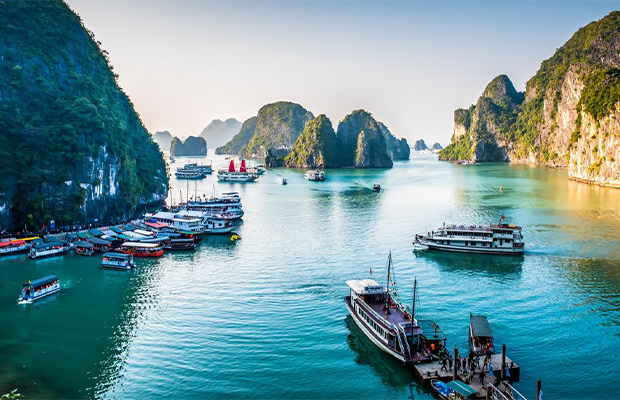
High limestone formations, vegetation-crowned islands, and an emerald sea are synonymous with Halong Bay in northern Vietnam. Cruise ships and other vessels crisscross its waters in search of popular and secluded sandy beaches. Besides cruising, swimming, and discovering the underwater world, you can have a great time exploring the caves of Halong Bay.
 Take your time to explore the water world of Vietnam Halong Bay.
19. Never Miss Traveling to Dalat or Hai Van Pass by Motorbike
Once you feel the pulse of traffic, renting a bike for a trip to Dalat or Hai Van Pass may be a great idea. The pass is a hot spot for helmeted motorbikers and bikers who can pull over along wide roads to admire the scenic panorama. Dalat, "the City of Eternal Spring," and its surroundings abound with natural gems, such as waterfalls, lakes, and flower fields.
20. Take an Overnight Train from Hanoi to Sapa, Vietnam
Journeying overnight from the capital of Vietnam to Sapa by train is like traveling in a luxury hotel. Train compartments feature great comfort and service. What is more, you arrive in the nation's most popular trekking destination fresh and eager to conquer mountains and admire rice fields.
21. Hike through Terraced Rice Fields of Sapa, Vietnam
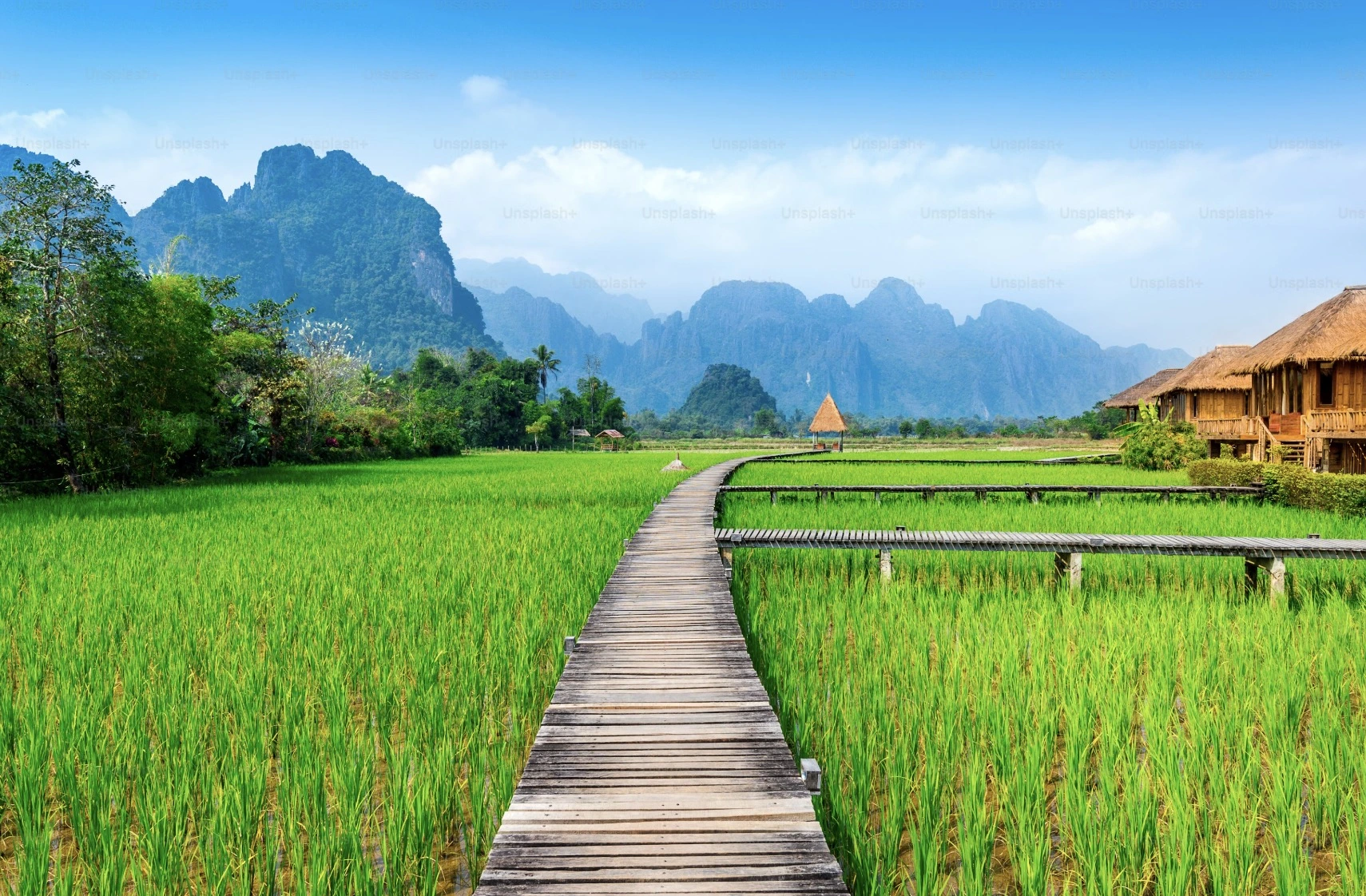
The rice fields of the Sapa region are among the most scenic landscapes in Southeast Asia. Moreover, readers of Travel + Leisure have included them among the top rice fields in Asia.
These landscapes will impress you whenever you visit. But September is the best time of year for a Sapa hike since the rice fields feature shades of green and gold.
22. Explore Phong Nha Caves When Traveling Vietnam
Consisting of networks of caves and underground waterways, Phong Nha Caves will awaken the speleologist in you the moment you set foot there. Various parts of the system feature different fauna and ancient fossils among limestone formations. So, if you are up for spelunking, taking striking photos, or boating with a stone cover overhead, Phong Nha is a dream destination for you.
 Enjoy your adventurous time in Vietnam Phong Nha Caves.
23. Experience Tet Holiday in Vietnam, Similar to Chinese New Year
Vietnamese Lunar New Year is the most significant celebration in the Socialist Republic. Tet Festival falls in late January or February and features decorated streets and special programs in some hotels. Note, though, that some tourist-related businesses, such as restaurants and museums, might close during the celebrations.
24. Dress and Act Respectfully When Visiting Temples in Vietnam
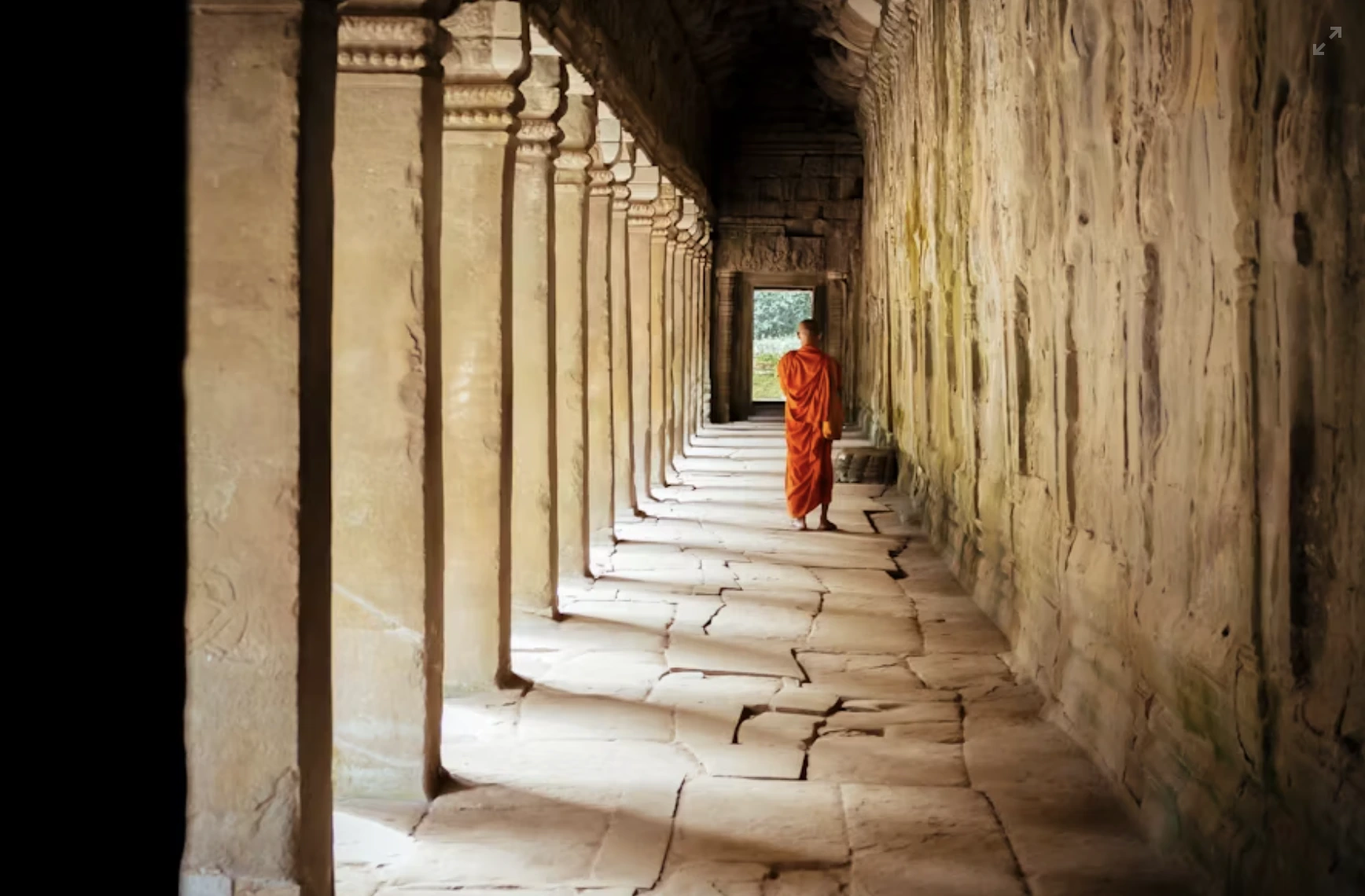
When visiting religious sites, dress and behave respectfully. Make sure you enter with your knees and shoulders covered, and take off your footwear when entering Buddhist temples.
25. Avoid Taking Photos of Official and Military Structures
To avoid inconvenience caused by breaching national security, do not take photos of governmental or military structures and equipment. The penalty for violating this rule can be imprisonment.
26. Tipping Etiquette When Traveling Vietnam
While not expected, tipping is highly appreciated in Vietnam. Many Vietnamese people do not earn much, and offering them a tip, either in dong or dollars, means a lot to them.
Conclusion
By adhering to these basic rules and tips, you do not need to worry about the quality of your stay in Vietnam. Additionally, dress conservatively and avoid mentioning the Vietnam War while getting around.
Ivy
I’m Ivy. Over the past 10 years, I’ve planned private trips for more than 500 travelers, and those journeys have received 100% positive feedback.
In 2018, I traveled solo across Indochina. Since then, I’ve looked at routes differently. Some need another night. Some transfers take too much time for too little reward. And sometimes, an itinerary simply has too much packed into it.
That is the kind of detail I focus on when I write—how long to stay, which route makes sense, and what is actually worth including.
Email me about your travel idea