
Best Time to Tour Vietnam and Cambodia: from November to February

Pheakdey
Before I recommend a multi-country route, I check the connections first.
I’ve spent 8 years planning Indochina trips, and multi-country journeys make up much of my work. A badly timed flight, a rushed border crossing, or a hotel in the wrong part of town can affect more than one day.
Many recent client reviews mention the itineraries I designed. The questions they ask—about timing, transfers, and whether a route really works—often become the starting point for what I write.

 Email me about your travel idea
Vietnam and Cambodia are one of the best country pairs for a Southeast Asia trip. You can start with Hanoi, Halong Bay, Hoi An, and the Mekong Delta, then continue to Cambodia for Angkor Wat, Phnom Penh, and local culture. But even though the two countries are close, their weather does not always feel the same.
For most travelers, November to February is the best time to tour Vietnam and Cambodia together. The weather is comfortable, skies are clearer, and it is easier to enjoy temples, cities, beaches, and outdoor trips in one journey. In the same month, you may feel cool air in northern Vietnam and warm tropical days in Cambodia.
Other months can also work well if you plan carefully. March to May is good for Vietnam beaches, but Cambodia can feel very hot. June to October is the green season, with lower prices, fewer crowds, and lush scenery. This guide will help you choose the right month, avoid the wrong places at the wrong time, and plan a smoother Vietnam and Cambodia tour.
Based on our experience planning private Vietnam and Cambodia tours, most first-time travelers enjoy this route more when the weather, travel pace, and hotel locations are planned together.
1-Minute Fast Decision Picker Table
|
If you want… |
Best time |
Why |
|
Easy weather in both |
Nov–Feb |
Dry Cambodia + cooler Vietnam |
|
Green views + fewer crowds |
Sep–Oct |
Shoulder season, lush landscapes |
|
Temples + beach |
Dec–Apr |
Better sea days + dry Cambodia |
|
Lowest prices |
May–Sep |
Rainy season deals (with flexibility) |
 The Overall Best Time to Tour Vietnam and Cambodia: Why November to February Wins
Touring in the "Cool Season" (Nov-Feb): Why You’ll Experience Two Different Climates in One Month
Regional Traps to Avoid: The Worst Times to Tour Central Vietnam and Northern Cambodia
Summary and Most Asked Questions about the Best Time to Visit Vietnam and Cambodia
The Overall Best Time to Tour Vietnam and Cambodia: Why November to February Wins
The best overall time to visit Vietnam and Cambodia together is from November to February, especially if you are planning a Vietnam and Cambodia tour that covers several regions in one trip. These months have the perfect weather balance in both countries.
You’ll be able to visit the most famous sites, relax on the beach, and explore the outdoors without having to worry too much about the weather getting in the way.
Even though they are neighboring countries, Vietnam and Cambodia have distinct climate patterns. Because Vietnam stretches more than 1,600 km from north to south, the weather can feel very different by region.
Cambodia has a clear dry season, and its most comfortable months overlap well with Vietnam’s best travel window. Vietnam has cool weather in the north, dry warm weather in the central region, and comfortable conditions in the south.
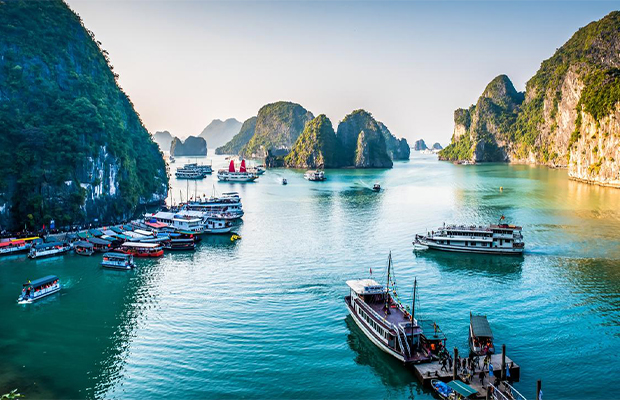
At the same time, Cambodia has sunny skies, clear days, and lower humidity. From Halong Bay to Angkor Wat, it’s the ideal time to see the must-see places in Vietnam and Cambodia in one smooth journey.
For our guests, this season usually works best because long travel days feel easier, temple visits are more comfortable, and overnight cruises in Halong Bay are less affected by heavy rain.
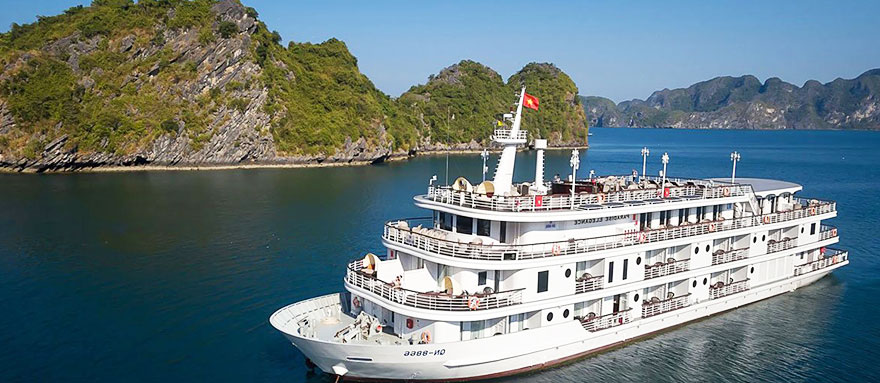
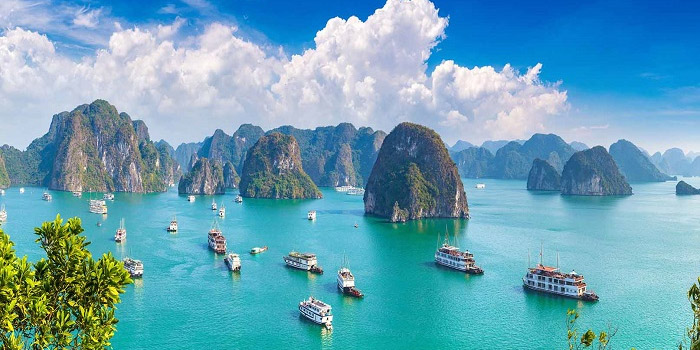 Halong Bay is more comfortable for cruising during the dry and cooler months.
Touring in the "Cool Season" (Nov-Feb): Why You’ll Experience Two Different Climates in One Month
Part of what makes the cool season a special experience is that you can experience two distinct climates during the same trip. This is one reason many travelers choose broader Southeast Asia tours that connect Vietnam and Cambodia in a comfortable route.
Northern Vietnam is in its mild winter. In Hanoi, temperatures can drop below 15°C, and the mountainous Sapa region can be genuinely cold. It’s a beautiful time of misty mornings and the occasional dusting of frost on the terraced rice fields.
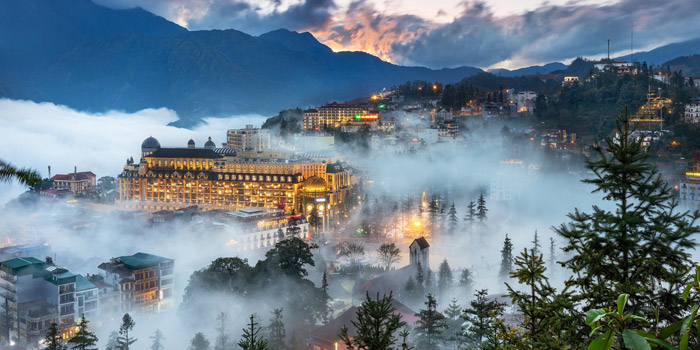 Northern Vietnam can feel cool and misty during the best months for a combined trip.
Southern Vietnam, through Cambodia, has the climate you’d expect from a tropical region.
Daytime temperatures usually hover around 28°C to 32°C, but humidity is much lower than during other times of the year. Combined with day after day of clear, blue skies, makes it the most comfortable time to explore the Mekong Delta, or take a boat tour of Tonle Sap Lake.
The Best Time for Beach Lovers: Why March to May Offers the Best Sun in Vietnam but Peak Heat in Cambodia
Vietnam and Cambodia have pristine white sand beaches perfect for unwinding. From March to May, beach lovers can still enjoy a great trip, but Vietnam and Cambodia feel very different.
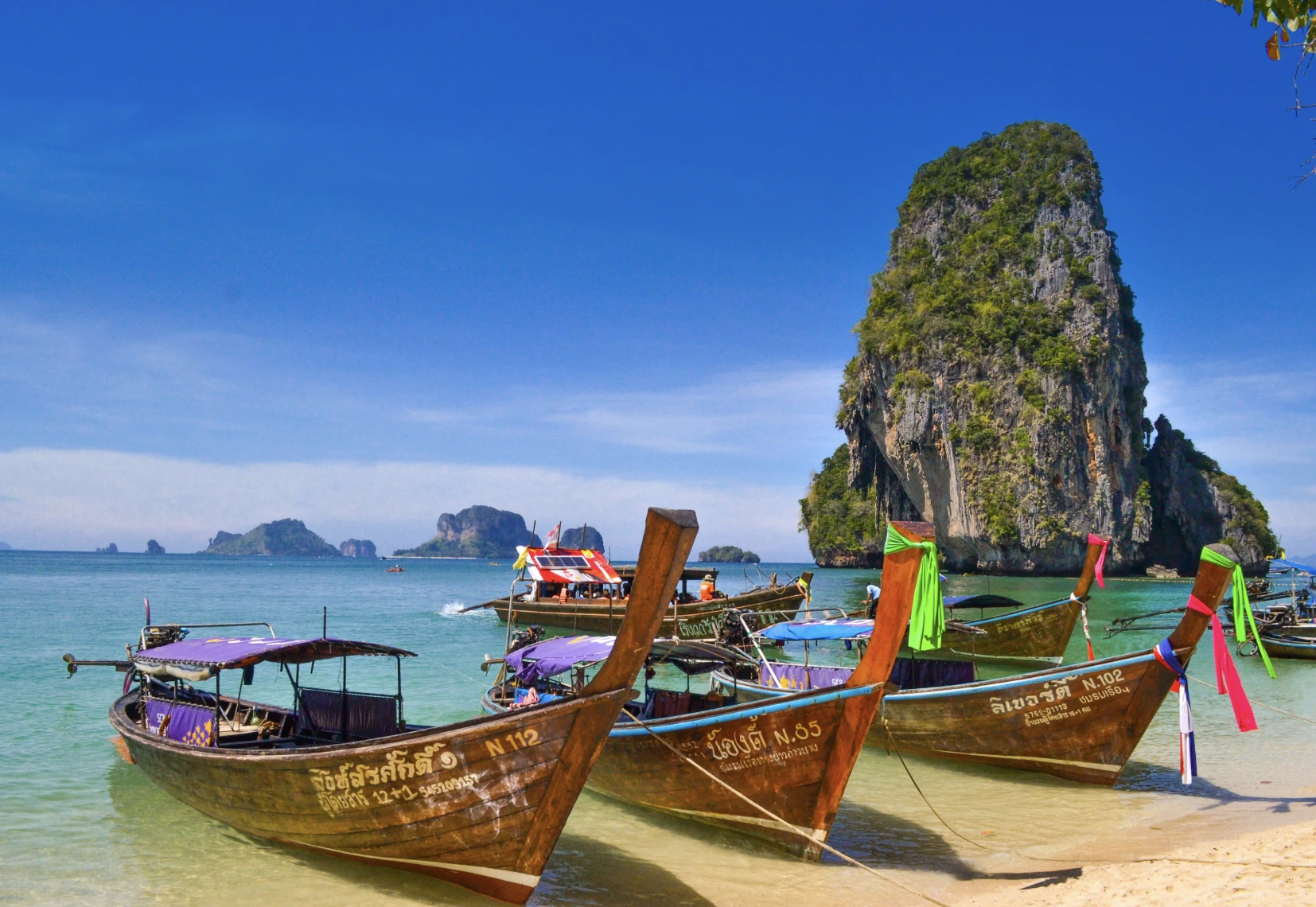
For travelers choosing Vietnam tours with beach time, this is one of the best periods of the year. The central region is bathed in sunshine, with calm seas and comfortable temperatures.
In Nha Trang and Da Nang, you can choose vibrant beaches with exciting water activities or tranquil settings to relax. The island of Phu Quoc in the south is another great option. Water visibility is excellent for snorkeling and diving.
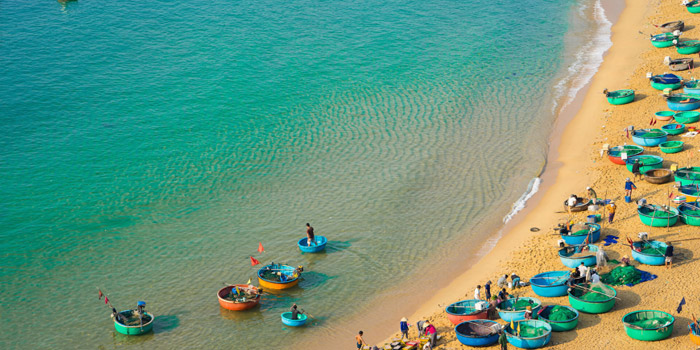 March to May is a good time for sunshine and beach stays in Vietnam.
Cambodia’s weather during these months starts to diverge from Vietnam’s as it enters the hottest months of the year. Some days can see temperatures rise over 35°C, and humidity starts to climb before the rainy season arrives.
On Cambodia tours that include the coast, beach destinations like Sihanoukville and islands like Koh Rong can still be enjoyable. There are fewer travelers visiting at this time, and the sea is always an option to help cool off.
For families and senior travelers, we usually avoid long temple walks at midday in April and May, and arrange Angkor Wat visits in the early morning or late afternoon instead.
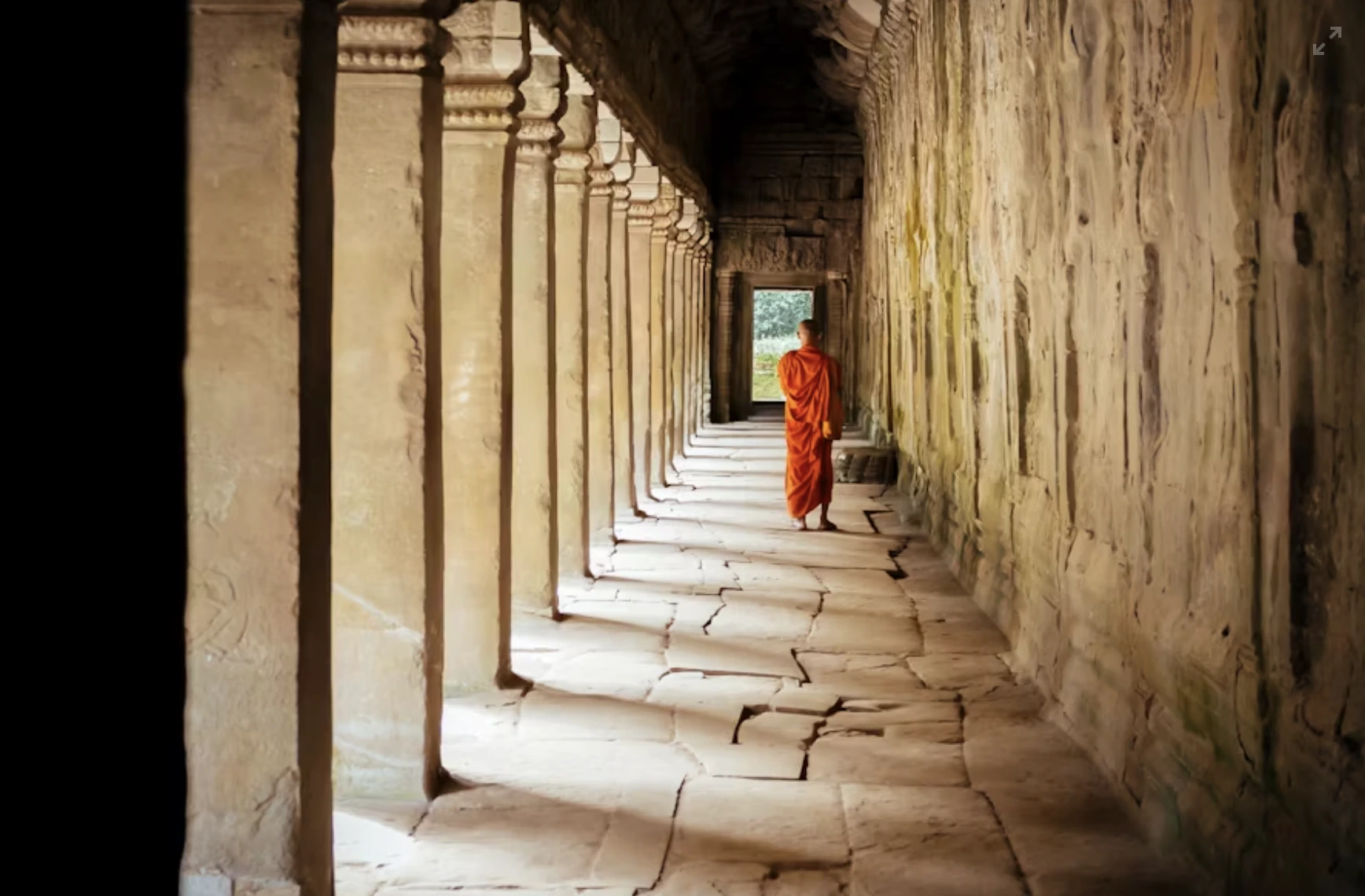
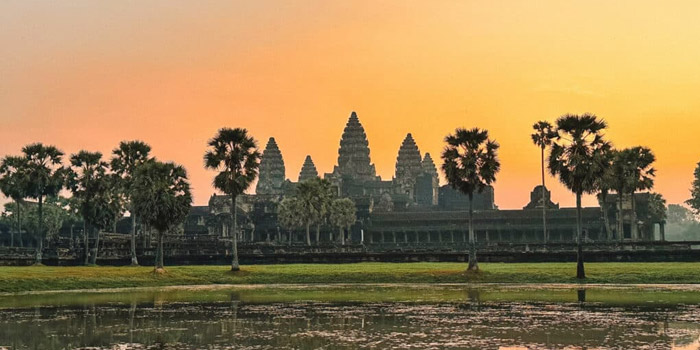 Early morning is the best time to explore Angkor Wat during the hotter months.
Traveling During the "Green Season" (June-October): Is it the Best Time to Tour Vietnam and Cambodia on a Budget?
The rainy season in Vietnam and Cambodia, often called the green season, runs from June to October. This is when vegetation in both countries is at its lushest and most vibrant. During these months, there is frequent rainfall as the monsoon season arrives. Rarely does rain fall nonstop throughout the day; instead, there tend to be short, intense bursts of rain during the afternoons and evenings.
The main advantage of this season is that prices are more affordable. Flights, hotels, and tour packages often offer significant discounts to attract travelers during the low season. Budget travelers can save money and enjoy higher-end experiences while staying within spending limits.
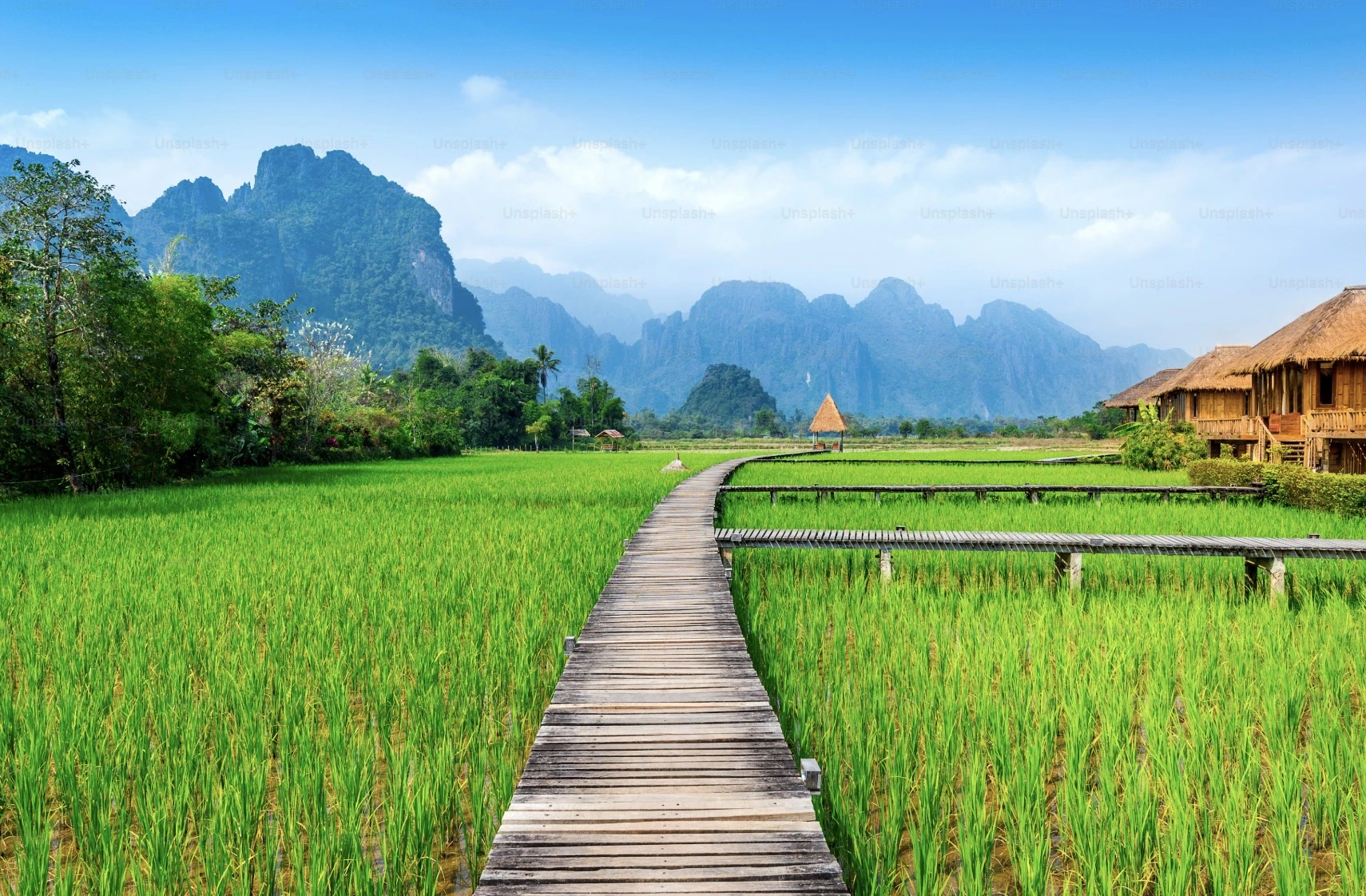
Lush scenery is another reward. The rice terraces of northern Vietnam turn a brilliant green, and tropical vegetation comes alive, fed by swelling rivers. In Cambodia, the moat around Angkor Wat fills up, making for stunning photos. Tonle Sap Lake reaches its highest levels, and the surrounding forest comes alive with vegetation.
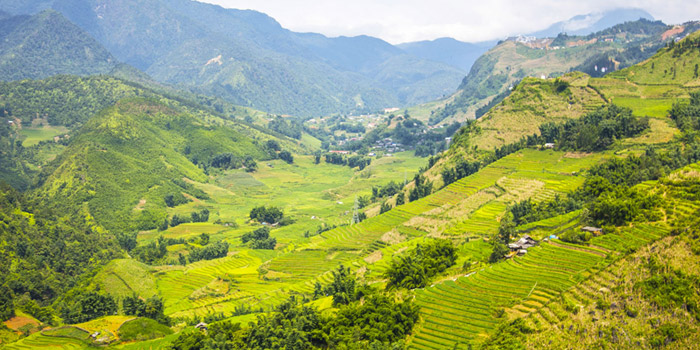 The green season brings lush scenery, fewer crowds, and a quieter travel feeling.
Smaller crowds of tourists let you have a more peaceful and authentic experience, but there are some disadvantages to be aware of. Heavy rain can disrupt travel and make rural roads difficult to navigate. Rough seas can limit diving and boating opportunities, and humidity peaks, making temperatures feel hotter.
If you do not mind heat and can stay flexible, it can still be a rewarding time to travel. From our local planning experience, green season trips work best when the itinerary includes backup indoor options and does not rely too heavily on beach days or long rural transfers. It also helps to choose the right things to do on a Vietnam and Cambodia tour for each season.


Regional Traps to Avoid: The Worst Times to Tour Central Vietnam and Northern Cambodia
Vietnam and Cambodia are year-round travel destinations, but there are some specific times to avoid in certain places.
Central Vietnam is one of the most important areas to be aware of. The peak of heavy storms during the rainy season comes later than Cambodia and other parts of Vietnam. Areas around Da Nang and Hoi An experience their heaviest rainfall between September and November. These places get the occasional typhoon, and the streets of Hoi An can sometimes flood.
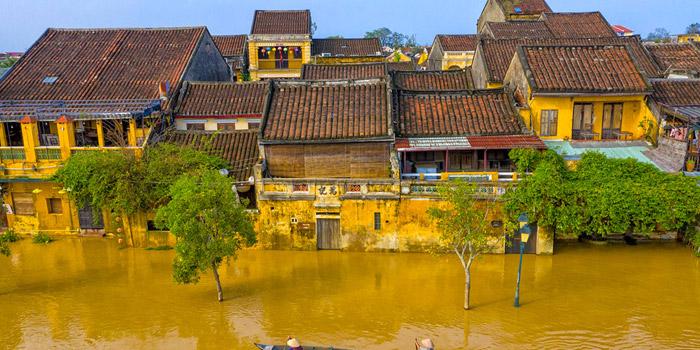 Hoi An can be beautiful in the rain, but this season needs more flexible planning.
Northern Cambodia has a different issue. Temperatures surge between April and May, regularly reaching 36-40°C. Outdoor exploration can be very uncomfortable. Angkor Wat’s stone complexes absorb and radiate the heat, making midday visits tiring.
Summary and Most Asked Questions about the Best Time to Visit Vietnam and Cambodia
Vietnam and Cambodia are great destinations to visit together when their climates align for incredible travel experiences. A good Vietnam and Cambodia tour is not only about choosing the driest month. It is about matching the right season with the right route, travel pace, hotel areas, and local support.
How many days do you need for a Vietnam and Cambodia tour?
For most first-time travelers, 10 to 14 days is a good length for a Vietnam and Cambodia tour. With 10 days, you can see the main highlights, such as Hanoi, Halong Bay, Hoi An, Ho Chi Minh City, and Siem Reap.
With 14 days, the trip feels more relaxed. You can add the Mekong Delta, Phnom Penh, or spend more time in Hoi An. Families and senior travelers often enjoy a slower pace because there is less pressure to move every day.
Should I start in Vietnam or Cambodia?
Most travelers start in Vietnam and finish in Cambodia. Vietnam has more international flight connections, and a north-to-south route is easy to follow.
A classic trip can begin in Hanoi, continue to Halong Bay and Central Vietnam, then move south to Ho Chi Minh City. From there, it is convenient to continue to Siem Reap for Angkor Wat. Ending the journey at Angkor Wat also gives the trip a strong final highlight.
What is the best route for a Vietnam and Cambodia tour?
A classic Vietnam and Cambodia itinerary is Hanoi, Halong Bay, Hoi An, Ho Chi Minh City, and Siem Reap. This route gives you a good mix of culture, scenery, food, history, and temples.
If you have more time, you can add the Mekong Delta before Cambodia or include Phnom Penh before Siem Reap. Try not to add too many one-night stays. Two or three nights in the main places usually make the journey more comfortable.
How early should I book a Vietnam and Cambodia tour?
For travel from November to February, it is better to book 3 to 6 months in advance. This is the most popular season, so good hotels, Halong Bay cruises, guides, and better flight times can book out earlier.
If you travel around Christmas, New Year, or Lunar New Year, early booking is even more important. In the green season, you may find better prices and more flexibility, but a well-planned private tour still needs time to arrange good hotels, transfers, and guides.
Is the Lunar New Year a good time to visit Vietnam and Cambodia?
Lunar New Year can be a special time to visit, but it needs careful planning. In Vietnam, some shops, restaurants, and local services may close for a few days. Domestic travel can also be very busy before and after the holiday.
Cambodia is usually less affected, but popular tourist areas can still be active. If your trip falls around this period, book flights, hotels, guides, and transfers early. A private tour can also help you avoid timing problems.
What should I pack for a Vietnam and Cambodia tour?
Light, breathable clothes are the best choice for most of the trip. You will also need comfortable walking shoes, sun protection, and insect repellent.
If you visit northern Vietnam from November to February, bring a light jacket or warm layers, especially for Hanoi, Sapa, or mountain areas. For Cambodia, bring clothes that cover your shoulders and knees for temple visits. A light rain jacket is useful if you travel during the green season.


Conclusion
Don’t let concerns about the weather stop you from visiting Vietnam and Cambodia together. Their climates line up several times a year for great opportunities to explore both countries.
November to February has the best overall weather for Vietnam and Cambodia tours, but you can enjoy the beaches and smaller crowds from March to May. Budget travelers and anyone looking for a quiet experience enjoy the peaceful rainy season.
Our Vietnam and Cambodia tours are expertly crafted for the best experience of these two Southeast Asia gems. At Asia Exclusive Tours(indochinatour.com), our local team helps travelers choose the best travel month, adjust the route by season, and build a private Vietnam and Cambodia tour that feels smooth from arrival to departure. Contact us to start planning your trip.
Pheakdey
Before I recommend a multi-country route, I check the connections first.
I’ve spent 8 years planning Indochina trips, and multi-country journeys make up much of my work. A badly timed flight, a rushed border crossing, or a hotel in the wrong part of town can affect more than one day.
Many recent client reviews mention the itineraries I designed. The questions they ask—about timing, transfers, and whether a route really works—often become the starting point for what I write.
Email me about your travel idea