
How to Plan a Seamless Vietnam and Cambodia Tour in 2026/2027: Top FAQs

Srey Pov
Cambodia is my home, not simply another stop on an itinerary.
I was born in Phnom Penh, studied Hotel and Tourism Management, and have worked in tourism for over 10 years. I’ve also traveled extensively through Vietnam, Laos, Thailand, and Myanmar.
My work has included private journeys as well as a multi-country trip for a group of more than 50 travelers, which received a five-star review.
When I write about Cambodia and the wider region, I bring the view of someone who lives here and has spent years planning trips on the ground—not just repeating what appears in standard destination guides.

 Email me about your travel idea
Vietnam and Cambodia are a great match for a Southeast Asia trip. Vietnam gives you busy cities, local food, Halong Bay views, and Mekong life. Cambodia brings Angkor Wat, ancient temples, and a slower local feeling.
Flights are the fastest choice, while road and river routes can give you a more local experience. If you only have 10 to 14 days, it is better to keep the route simple. A good plan should give you enough time for Halong Bay, Hoi An, Angkor Wat, and local food experiences without changing hotels too often.
This guide is best for first-time travelers who want a smooth Vietnam and Cambodia trip without too much planning stress. It answers the main questions travelers often ask before booking a Vietnam and Cambodia tour.
Things to Know When Planning a Vietnam and Cambodia Tour
|
Key Points |
Simple Travel Tip |
|
Visa |
Vietnam and Cambodia need separate visa checks before travel. |
|
Transportation |
Flights are the fastest way to connect the two countries. |
|
Best Time |
November to March is best for Halong Bay and Angkor Wat. |
|
Trip Length |
10 days covers the highlights, while 14 days feels smoother. |
|
Local Tips |
Use local currency, central hotels, and trusted city transport. |
 Do I need separate visas for Vietnam and Cambodia? Can I get a Visa on Arrival?
What is the best way to travel between Vietnam and Cambodia?
When is the best time of year to visit both Vietnam and Cambodia in one trip?
Can I use US Dollars in both Vietnam and Cambodia? Do I need local currency?
What is the recommended multi-country itinerary for 10 or 14 days in Vietnam and Cambodia?
What should I wear at Angkor Wat compared to Halong Bay?
How do I handle SIM cards or eSIMs for a Vietnam and Cambodia trip?
How do I safely get around Hanoi, Saigon, and Siem Reap on my own?
What are the hotels like in Vietnam and Cambodia?
Can I drink tap water or enjoy street food safely in Vietnam and Cambodia?
Do I need separate visas for Vietnam and Cambodia? Can I get a Visa on Arrival?
Vietnam and Cambodia have separate and different visa systems. It’s important to understand the best way to enter each country. Before booking flights, check the latest entry rules for Vietnam and Cambodia. Make sure your passport is valid for at least 6 months from your arrival date.
For most travelers, applying online e-visa before the Vietnam and Cambodia trip is the safer choice. It helps you avoid long lines and gives you more time to check your travel details before departure.
Getting an e-visa for Vietnam
Most travelers can conveniently apply for an e-visa to travel to Vietnam. It’s a straightforward process you can use for single- or multiple-entry visas for stays of up to 90 days.
All you need to apply is a passport with at least 6 months’ remaining validity and a digital passport photo. The application costs 25 USD for a single-entry visa, and the processing time is usually less than one week.
E-visa or Visa on Arrival for Cambodia
You can choose between an e-visa or a visa on arrival for visiting Cambodia. Both allow stays of up to 30 days and cost 30 USD.
While the visa on arrival is convenient, the e-visa is recommended for most travelers. Lines at airport immigration for the visa on arrival can be long, particularly during peak seasons. The e-visa is simple and usually takes less than a week to process. With your visa already in hand, you’ll be able to skip the long lines and get started with your tour that much faster.
 Checking visas before departure helps make your Vietnam and Cambodia trip smoother.
What is the best way to travel between Vietnam and Cambodia?
You can travel between Vietnam and Cambodia by flight, road, and even boat.
For most first-time travelers, flying is the easiest choice. It saves time and keeps the trip simple. This works well if you have 10 days or less.
Road travel is better if you want to see more countryside and do not mind a longer travel day. The Mekong boat route is slower, but it can be more memorable for travelers who enjoy river scenery and a softer pace.
Flights, the fastest way to get between Vietnam and Cambodia
Major cities in Vietnam and Cambodia are connected by frequent and affordable flights. Flight times are 1-2 hours, letting you arrive quickly and spend more time touring the major attractions.
Ho Chi Minh City to Siem Reap is the most common connection. The flight takes 1h 15m, and there are 2-4 daily flights to choose from.
Hanoi and Da Nang also have regular connections to both Siem Reap and Phnom Penh. Connections are available daily, with flight times between 2h and 2h 15m.
Road Travel Between Vietnam and Cambodia, the scenic way to travel
Overland trips are a great way to see authentic countryside scenery and amazing landscapes. The most common route is Ho Chi Minh City to Phnom Penh.
It takes 6-6.5 hours to cross the 230km between the two cities. Regular buses travel the route, or you can hire a taxi or private car.
Vietnam to Cambodia by boat, a unique experience
A scenic river cruise route to Vietnam and Cambodia can take you along the Mekong River. It’s slower than flying, but a unique way to see the scenery.
Ferries and speed boats run between Chau Doc and Phnom Penh. The journey takes around 6 hours, depending on how busy it is at the border crossing.
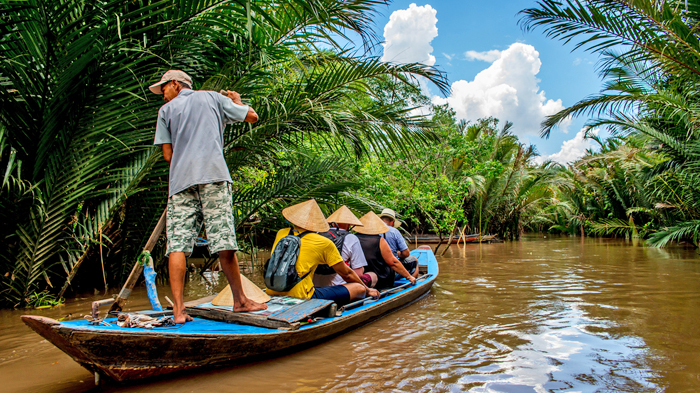 The Mekong River route takes more time, but the journey feels slower and more local.
When is the best time of year to visit both Vietnam and Cambodia in one trip?
Vietnam and Cambodia have distinct climates with different seasonal weather patterns. Finding the best time to visit Vietnam and Cambodia when they align is key to a great trip.
November to March, Ideal Outdoor Weather
From November to March, you will find comfortable temperatures, little rain, and low humidity. Southern Vietnam and Cambodia have warm days with clear, blue skies.
Northern Vietnam is cooler. It’s a prized season for a cruise of Halong Bay and touring the streets of Hanoi.
For families and senior travelers, November to March is usually the easiest season. The weather is more comfortable for walking, temple visits, and outdoor sightseeing.
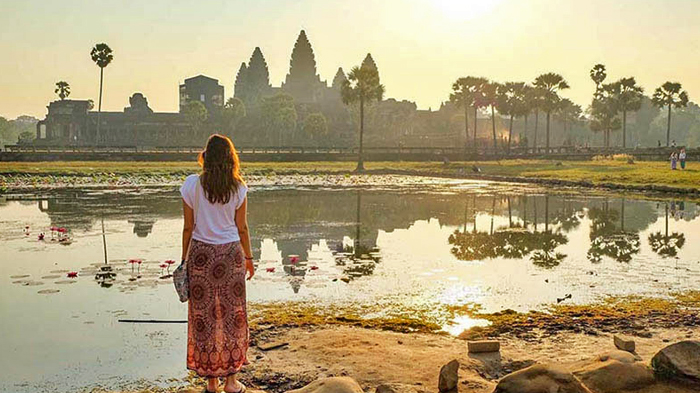 November to March usually brings better weather for outdoor sightseeing.
June to September, the Best time for Budget Travelers
From June to September, the monsoon season arrives brining more frequent precipitation. It’s a less popular time to travel, so you can find great deals on hotels and tours.
While the rain can be heavy, it tends to fall in the late afternoon and evening. If you’re flexible with your planning, you can enjoy a more peaceful and authentic atmosphere during the rainy season in Vietnam and Cambodia.
Can I use US Dollars in both Vietnam and Cambodia? Do I need local currency?
You need local currency for Vietnam and Cambodia, but there are situations when US dollars can be used.
Use Local Currency in Vietnam
You will need Vietnamese dong when traveling in Vietnam. Credit cards are widely accepted at major establishments, but cash is still required for small daily transactions.
The best exchange rates are found in cities at banks. Exchange enough to cover daily expenses.
Use USD and Local Currency in Cambodia
USD is widely accepted in Cambodia. In many tourist areas, you will often see prices directly quoted in USD.
In general, USD are used for large transactions, and Cambodian riel for daily purchases. You will need to carry a mix of both currencies. Credit card use is growing, but is less common outside of major tourist areas.
What is the recommended multi-country itinerary for 10 or 14 days in Vietnam and Cambodia?
Vietnam and Cambodia tour itineraries can be fully personalized for a trip that matches your travel style. Classic itineraries are a great choice for first-time visitors.
Choose 10 days if you want the main highlights and do not mind a few travel days. This route works well for travelers who want Hanoi, Halong Bay, Hoi An, Ho Chi Minh City, and Angkor Wat in one trip.
Choose 14 days if you want a slower and deeper journey. The extra days make it easier to add Hue and Phnom Penh. This is better for senior travelers, families, and anyone who does not want the trip to feel too packed.
10 Days in Vietnam and Cambodia
Hanoi is a good arrival point for a 10-day tour. Vietnam’s capital has good international flight connections, and lets you travel north to south, then on to Cambodia.
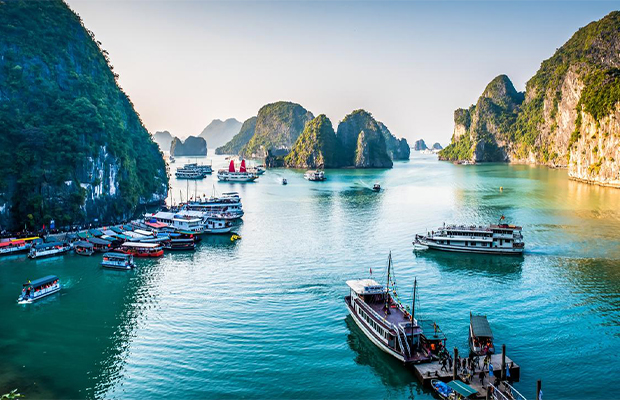
Northern Vietnam also has Halong Bay, the stunning UNESCO World Heritage Site. After exploring the culture of Hanoi, travel to Halong Bay for an overnight cruise through the towering limestone karsts.
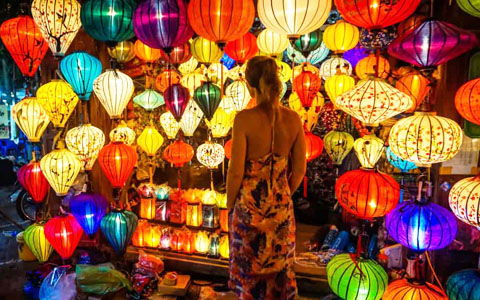
Spend the next two days in central Vietnam. Hoi An Ancient Town is a charming city that preserves the atmosphere of an ancient trading port.
Continue on to Ho Chi Minh City to discover Vietnam’s largest city, and gateway to the Mekong Delta. See the beautiful colonial architecture and visit historic sites from the Vietnam War.
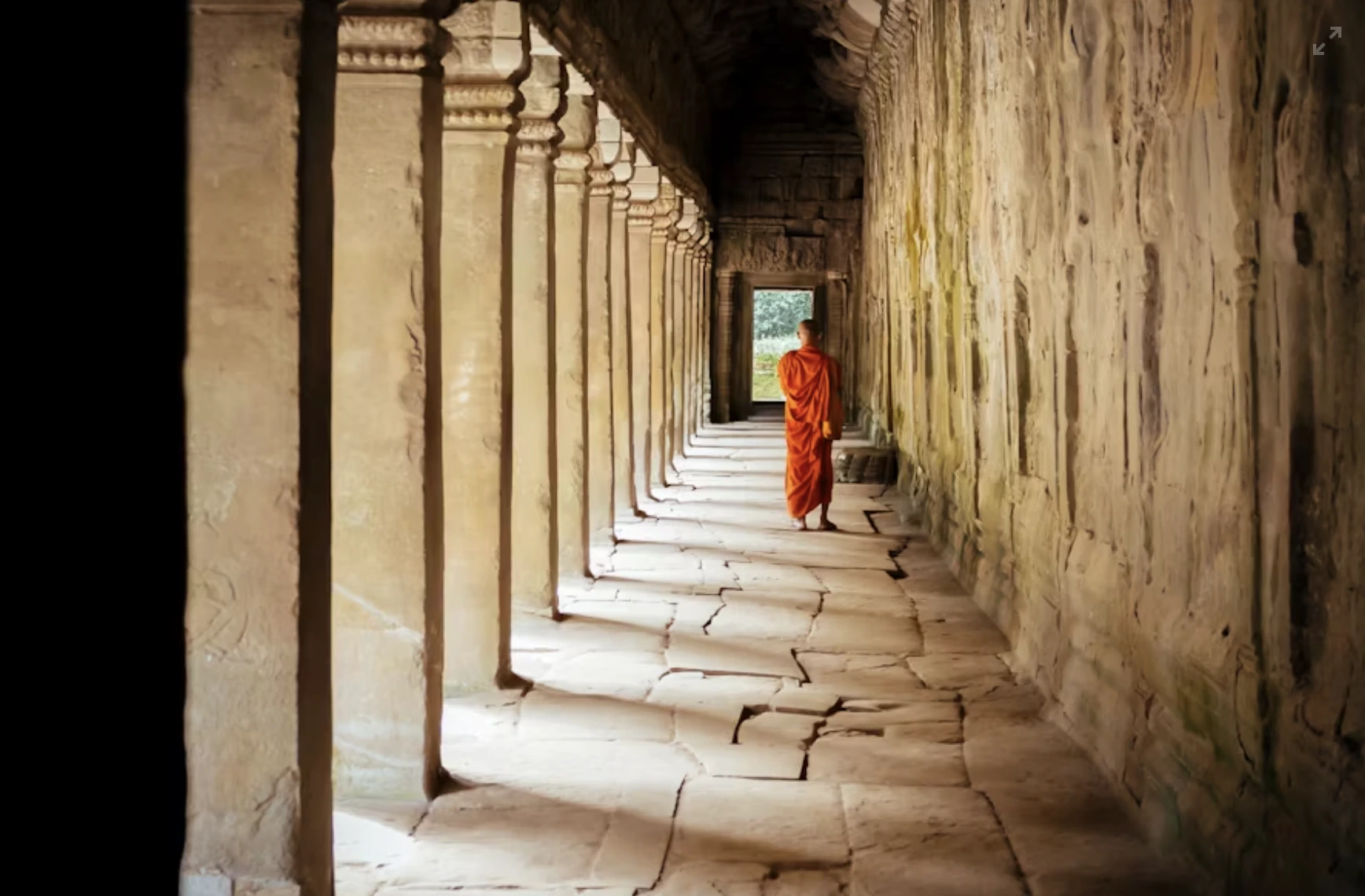
Siem Reap is only a 90-minute flight away. Spend a full day exploring the legendary Angkor Wat Temple Complex, and tour the surrounding countryside, visiting floating villages on Tonle Sap Lake.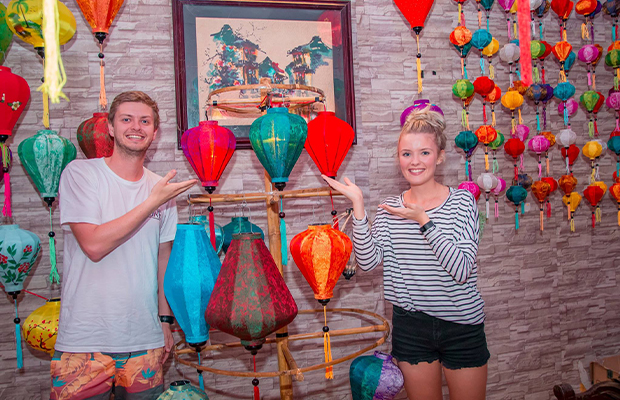


14 Days to see the Best of Vietnam and Cambodia
Two weeks in Vietnam and Cambodia is a perfect length to see the best of both countries. The extra time allows you to visit more destinations along the classic north-south route.
Add a stop in Hue, the historic imperial city. The history of the Nguyen Dynasty is preserved in sites like the Imperial Citadel and royal tombs.
After Ho Chi Minh City and Siem Reap, the itinerary also adds a stop in Phnom Penh. Cambodia’s capital is a vibrant blend of traditional and modern culture. See the legacy of the Khmer Dynasty at the Royal Palace and Silver Pagoda, and learn about Cambodia’s tragic modern history at the Tuol Sleng Genocide Museum.


What should I wear at Angkor Wat compared to Halong Bay?
Angkor Way and Halong Bay have very different environments. You’ll need to adapt to different climates and cultural expectations.
Dress Respectfully for Angkor Wat
When visiting Angkor Wat, you need to balance dressing respectfully with preparing for tropical heat. Before your visit, it is helpful to understand the Angkor Wat dress code, because the temple complex is an important spiritual site and modest clothing is required. Clothing should cover your shoulders and knees.
At the same time, it can be very hot with intense sunlight. Wear light, breathable fabrics to help keep cool. You can wear a hat or bring a UC umbrella to help with protection from the sun. Don’t forget sunscreen.
Angkor Wat involves a lot of walking, and many temple areas have stone steps. Comfortable shoes are important. For senior travelers or families with children, it is better to start early in the morning and take a rest during the hottest part of the day.
Dress for the Season In Halong Bay
Halong Bay has a four-season climate with a mild winter. Adaptability is the most important thing when deciding what to wear.
Layers of clothing will help you be prepared for changing conditions throughout the day. You might need a sweater or light jacket for mornings and evenings in the cooler months. Bring swimwear or waterproof clothing if you plan on enjoying swimming or kayaking.
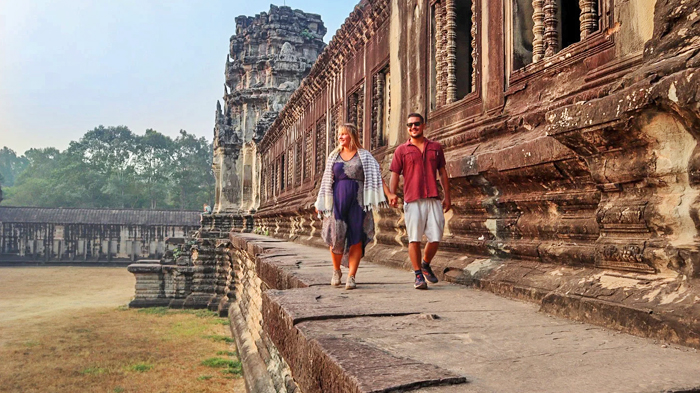 Modest clothes and comfortable shoes make Angkor Wat easier to enjoy.
How do I handle SIM cards or eSIMs for a Vietnam and Cambodia trip?
Staying connected is easy on a Vietnam and Cambodia tour. SIM cards and eSIMs are widely available in major cities in both countries and will let you stay in touch with loved ones and access useful travel apps.
The easiest place to buy a SIM card or eSIM is at your arrival airport. Kiosks are usually located just outside the arrival gate, so you can pick up a card before leaving the airport.
For a short Vietnam and Cambodia trip, an eSIM can be the easiest choice if your phone supports it. You can set it up before arrival and use it as soon as you land.
If you prefer a physical SIM card, buying one at the airport is simple. Keep your passport with you, because it may be needed for registration.
 An eSIM is useful if you want internet access as soon as you arrive.
How do I safely get around Hanoi, Saigon, and Siem Reap on my own?
There are many options for getting around in Vietnamese and Cambodian cities. Both countries have a mix of taxis, buses, private cars, and, in the case of Vietnam, also a metro system.
For short city rides, ride-hailing apps are usually the easiest choice. For airport transfers, late arrivals, countryside trips, and full-day sightseeing, a private car is more comfortable and safer.
This is especially helpful in places like Angkor Wat, Halong Bay, and long intercity routes. You do not need to worry about timing, luggage, or finding transport after a long travel day.
Getting around in Vietnamese Cities
In Hanoi and Ho Chi Minh City, ride-hailing apps such as Grab are the easiest and safest transportation options in Vietnam. They help avoid language barriers, and with pre-calculated fares, you’ll never be overcharged. Taxis can also be hailed from the street, but you should agree on the fare before entering, or ensure the driver uses the meter.
The metro systems in major cities like Hanoi and Ho Chi Minh City are a good way to avoid peak traffic. Roads can be chaotic in Southeast Asia, and traffic jams are common. Metro routes cover major areas of the cities, offering good access to many tourist sites.
Getting around in Cambodian Cities
Despite being smaller, Cambodian cities have similar traffic to Vietnam. Ride-hailing apps are a convenient solution for getting around Cambodia in Phnom Penh and Siem Reap.
Tuk-tuks are the iconic choice in Cambodia. The small vehicles are great for shorter distances, and can even be hired for a half or full day. Tuk-tuk tours of Angkor Wat are a popular way to explore the site.
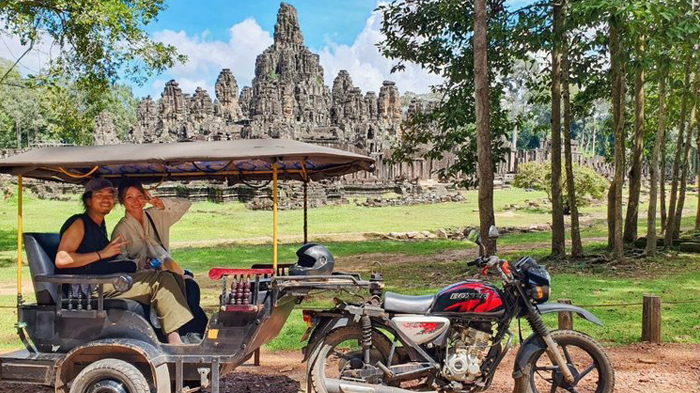 For airport transfers and full-day sightseeing, trusted transport can save time and stress.
What are the hotels like in Vietnam and Cambodia?
Vietnam and Cambodia have a full range of accommodation options. You’ll find everything from luxury resorts and international hotel chains to family-run boutique hotels and quaint homestays.
At mid-range hotels, you can expect clean, comfortable rooms and amenities such as Wi-Fi. Luxury resorts will have a full range of services, including swimming pools. spas, and gourmet restaurants.
For a smoother trip, hotel location matters as much as hotel level. This is especially true on a Southeast Asia tour, where each transfer day needs to be well planned. In Hanoi and Ho Chi Minh City, staying near the old town, city center, or main sights can save a lot of transfer time.
In Siem Reap, many travelers prefer hotels with easy access to both Angkor Wat and the town center. This makes it easier to enjoy temple visits during the day and local restaurants at night.
Tips for Booking Accommodations in Vietnam and Cambodia
- Choose hotels that are centrally located or near tourist attractions. You can save money by staying outside the city center, but will spend more time traveling from place to place.
- Book your hotel as far in advance as possible, particularly during peak seasons. The best accommodations can fill up quickly.
- Check online reviews before booking. Recent reviews are a more reliable indicator than star ratings.
- In budget hotels, windows aren’t guaranteed. Check photos and room information carefully before booking.
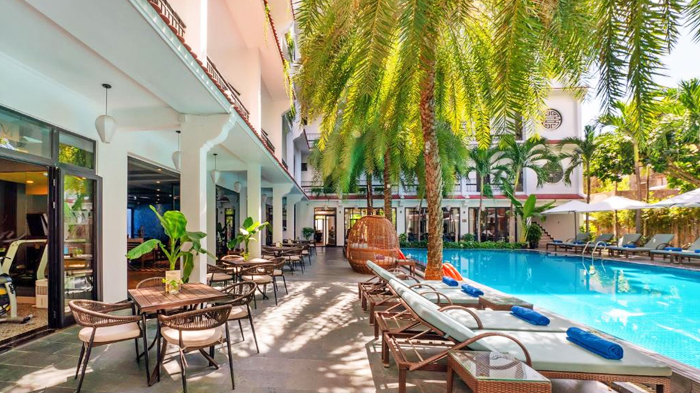 A well-located hotel can make sightseeing days much easier.
Can I drink tap water or enjoy street food safely in Vietnam and Cambodia?
Food hygiene is an important concern when traveling. It’s easy to eat safely with a few simple guidelines.
Stick to Bottled Water
In general, tap water is not safe to drink in Vietnam and Cambodia. Bottled water is readily available at convenience stores and usually costs less than 1 USD.
You should also avoid ice cubes unless you are certain how they were made. Ice cubes are often made from tap water, and their safety can’t be guaranteed.
Use Common Sense for Safe Street Food
Street food is generally safe in Vietnam and Cambodia, but you still want to follow common sense rules.
Eat from food stalls that have good food hygiene practices. Vendors that offer limited menus are a better choice. They will have fresher ingredients, with a higher turnover.
When in doubt, trust your eyes. Food stalls should look clean and have appropriate food storage. Places that are busy and favored by locals are usually safe.
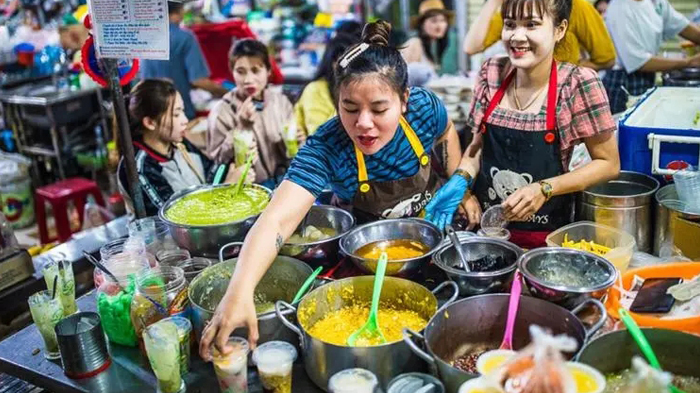 Choose busy food stalls where dishes are cooked fresh and served hot.
Conclusion
A Vietnam and Cambodia tour combines some of Southeast Asia’s most unforgettable experiences into one seamless journey. From the limestone scenery of Halong Bay and the energy of Hanoi and Ho Chi Minh City to the magnificent temples of Angkor Wat, these neighboring countries complement each other perfectly.
Let us help you plan a perfect tour. Our professional travel consultants are always on hand to help put together a personalized itinerary. We’ll take care of all the details from transportation and guide, to what to do when you’re on the ground.
Srey Pov
Cambodia is my home, not simply another stop on an itinerary.
I was born in Phnom Penh, studied Hotel and Tourism Management, and have worked in tourism for over 10 years. I’ve also traveled extensively through Vietnam, Laos, Thailand, and Myanmar.
My work has included private journeys as well as a multi-country trip for a group of more than 50 travelers, which received a five-star review.
When I write about Cambodia and the wider region, I bring the view of someone who lives here and has spent years planning trips on the ground—not just repeating what appears in standard destination guides.
Email me about your travel idea