

Southeast Asia Itinerary: Best Routes for 2 Weeks, 3 Weeks & 1 Month (With Day-by-Day Plans, Costs & Tips)

Pheakdey
Before I recommend a multi-country route, I check the connections first.
I’ve spent 8 years planning Indochina trips, and multi-country journeys make up much of my work. A badly timed flight, a rushed border crossing, or a hotel in the wrong part of town can affect more than one day.
Many recent client reviews mention the itineraries I designed. The questions they ask—about timing, transfers, and whether a route really works—often become the starting point for what I write.

 Email me about your travel idea
Southeast Asia is one of the easiest regions to combine into a multi-country trip. Distances are short, flights are frequent, and borders are well traveled. Still, many first-time itineraries feel rushed or uneven once the trip begins.
The issue is rarely distance. It is pacing. Too many stops, early flights, and packed travel days reduce energy fast. Without a clear structure, even the best destinations feel tiring.
This guide focuses on route order, realistic travel days, and stay length. It presents clear Southeast Asia itineraries for 2 weeks, 3 weeks, and 1 month. Each plan explains where to start, how long to stay, and when flights save time rather than add stress.
Quick Southeast Asia Tour Route Picker
Choosing the right route early prevents problems later. Different travelers need different structures. The table below helps narrow options before reviewing full itineraries.
|
Travel preference |
Choose this route |
Why it works |
|
First visit with temples and scenery |
Thailand Cambodia Vietnam itinerary |
Strong highlights, clear flow, classic stops |
|
Cities, food, easy borders |
Singapore Malaysia Thailand route |
Smooth logistics and short flights |
|
Culture first, beach finish |
Thailand Cambodia Vietnam + Bali |
Mainland depth with a slow ending |
If you don’t like frequent flights, fewer countries usually work better. Spending more time in each place cuts down packing and airport days. Beach plans also stay easier with one main base instead of hopping between islands. A single beach stay adds rest without disrupting the route.
This approach works for any Southeast Asia itinerary, no matter how long the trip is.
 Planning Basics That Shape Every Southeast Asia Itinerary
Southeast Asia Route Comparison: Pick the Right 21-Day Plan
3-Week Southeast Asia Itinerary A: First-Timer Mainland Classics
3-Week Itinerary B: City, Food, and Easy Logistics
3-Week Itinerary C: Mainland Highlights + Indonesia Beach Finish
Short on Time? How to Spend 2 Weeks in Southeast Asia
Have More Time? Southeast Asia Itinerary for 1 Month (or More!)
Make These Southeast Asia Itineraries Fit Your Travel Style
Budget & Practical Travel Guide for Southeast Asia Itineraries
Planning Basics That Shape Every Southeast Asia Itinerary
Strong itineraries are built around comfort, not only coverage. Country order, flight use, hotel location, and stay length decide how the trip feels. When these are planned early, the itinerary stays steady even if you adjust days later. If you want to compare ready-made routes by country and trip length, browsing our Southeast Asia tours is a simple starting point.
|
Topic |
Quick answer |
What it changes |
|
Country order |
Group nearby countries |
Fewer flights and shorter travel days |
|
Flights |
Fly between countries |
Saves time and energy |
|
Pace |
2–3 nights per stop |
Better balance |
|
Budget |
Hotels and flights drive cost |
Controls daily spend |
|
Hotel location |
Central areas save time |
Better daily flow |
|
Entry rules |
Check by passport |
Avoid border problems |
Best Order to Visit Countries
Route order plays a bigger role than most people think. Jumping back and forth between countries eats up time fast. Trips feel smoother when the route moves in one clear direction. If it’s your first time, it helps to follow a few proven rules—our guide on plan an Indochina tour explains how to keep the route realistic and avoid common first-timer mistakes.
A few route styles tend to work best. Mainland routes link Thailand Cambodia and Vietnam in a simple line. City and food-focused trips stay around Singapore and Malaysia with short, easy flights. Beach-ending routes save a calm stop for last, often Bali or Langkawi—if you like that “finish with the beach” logic, Thailand Bali tours is a good reference route.
Thailand is a common starting point since flights are easy to find and usually well priced. Singapore also works well if you want a comfortable start from the first day.
How Many Flights Should You Expect
Flights increase as soon as you add islands or far-apart regions. Singapore and Malaysia stay simple. Indonesia adds longer legs. Mainland routes across Thailand, Cambodia, and Vietnam often need fewer flights than people expect, since the route can stay linear.
A simple rule helps. Choose a flight when the ground option removes most of your day. Use ground travel when the link is short and predictable. Bangkok to Chiang Mai can work by flight or overnight train. Bangkok to Siem Reap usually works best by flight for most first-time travelers.
Most 3-week Southeast Asia itineraries land in the three to five flight range. One-month trips can climb higher if you add multiple island regions. Each extra flight adds cost, airport time, and another packing cycle. Fewer flights often makes the trip feel longer because your days stay on the ground.
 Short flights help you keep travel days simple and protect your energy.
Travel Pace That Fits Your Group
Pace defines enjoyment. Fast travel uses one or two nights per stop. Balanced travel stays two or three nights. Slow travel uses three to five nights.
Fast pacing fits experienced travelers who pack light and enjoy movement. Balanced pacing works best for first-timers. Slow pacing suits families, seniors, and honeymoon trips. If you prefer a “no big bus group” rhythm with a steadier pace, Indochina small group tours can be a helpful benchmark for how to structure days.
Most 2 week itinerary southeast asia plans need balanced pacing. Three weeks allows slower travel. One month allows deep stays and rest days.
Budget Level and Comfort
Budget depends on choices, not countries. Hotels drive the daily cost more than food. Flights drive cost more than activities.
Private tours increase spending quickly. Beach resorts raise nightly rates. Moving often increases transport cost.
Comfort travel does not require luxury hotels everywhere. Upgrading key stops works better. Hanoi, Hoi An, Bangkok, and Bali benefit most from better locations and facilities.
Where You Stay Matters More Than Hotel Stars
Central locations save time daily. Long taxi rides drain energy. Walking access to food and sights improves evenings.
A pool helps during hot months. Even short swims refresh the body. This matters in Cambodia, Thailand, and Vietnam.
Three-star hotels in good areas often outperform five-star hotels in distant zones. This rule applies to every Southeast Asia travel itinerary length.
Entry and Visa Checks
Entry rules depend on the passport. Most travelers need e-visas for Vietnam and Cambodia. Timing matters. Applying too early or too late causes issues.
A simple checklist helps. Passport validity should cover six months. Entry dates should match flight plans. Onward tickets may be required at check-in. These checks shape routes and flight timing. Ignoring them causes last-minute stress.
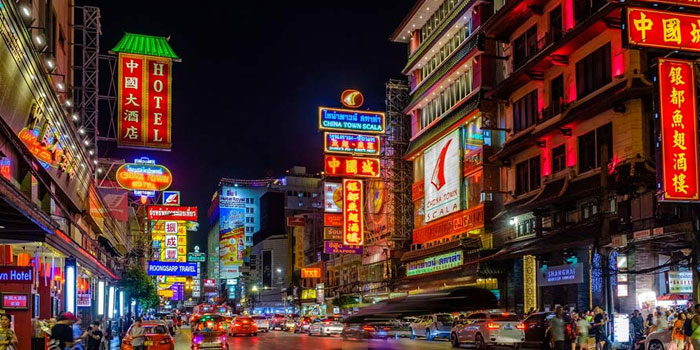 A central hotel location makes evenings easier, even after a travel day.
Southeast Asia Route Comparison: Pick the Right 21-Day Plan
Not every southeast asia itinerary 3 weeks plan fits every traveler. Comparing routes helps match preferences and pace. The table below summarizes the main options for a three-week trip.
|
Route |
Countries |
Nights Split |
Typical Flights |
Best For |
Not Ideal For |
|
Route A |
Thailand + Cambodia + Vietnam |
6 / 3 / 12 |
3–5 |
First-timers, culture + landscapes |
Travelers who dislike packing, want many beach days |
|
Route B |
Singapore + Malaysia + Thailand |
3 / 7 / 11 |
2–4 |
Food lovers, city fans, comfort travelers |
People seeking Angkor or Vietnam scenery |
|
Route C |
Thailand + Cambodia + Vietnam + Bali |
4 / 3 / 7 / 7 |
3–5 |
Honeymooners, families, relaxed finish |
Travelers wanting many Vietnam cities |
Route A is the most searched Southeast Asia travel itinerary for first-time visitors. It covers the region’s most famous landmarks. Route B trades history depth for comfort and ease. Route C keeps highlights short, then slows down.
Some travelers prefer building the trip around “must-see” cultural landmarks rather than country checklists, which is why routes like Heritage Sites of Southeast Asia tour can be a clean way to decide what truly earns a spot in a 21-day plan.
Each option works as a Southeast Asia itinerary 3 weeks long. The difference comes down to pace and finish style.
Common Planning Mistakes and Fixes
Many problems repeat across trips. These issues look small on paper but hurt the experience.
The first mistake is adding too many one-night stops. This increases packing and reduces rest. The fix is simple. Keep two or three nights in most places.
Another mistake is adding several islands. Each island adds boats, flights, and check-ins. One beach base works better.
Planning heavy tours on flight days creates fatigue. Arrival days should stay light. Walks, food, or rest work best.
Trying to see all of Vietnam in seven days leads to stress. Vietnam needs focus. One region or one major highlight works better.
These fixes apply to every best Southeast Asia itinerary, regardless of length.
 A local guide adds context and keeps your heritage days smooth and well paced.
3-Week Southeast Asia Itinerary A: First-Timer Mainland Classics
This Southeast Asia itinerary 3-week plan covers Thailand, Cambodia, and Vietnam. It suits travelers seeking culture, landscapes, and a classic Indochina experience. If you’re still choosing your “must-see” list, starting with Thailand route ideas for first-time visitors can help you set the rhythm, then you can layer in Cambodia highlights by region and finalize your stops with Vietnam route ideas by travel style.
Route Overview
Route order follows a clean mainland flow. Bangkok leads north, then Cambodia, then Vietnam from south to north.
Bangkok – Chiang Rai – Golden Triangle – Chiang Mai – Siem Reap – Ho Chi Minh City – Mekong Delta – Hoi An – Hanoi – Halong Bay – Sapa – Hanoi
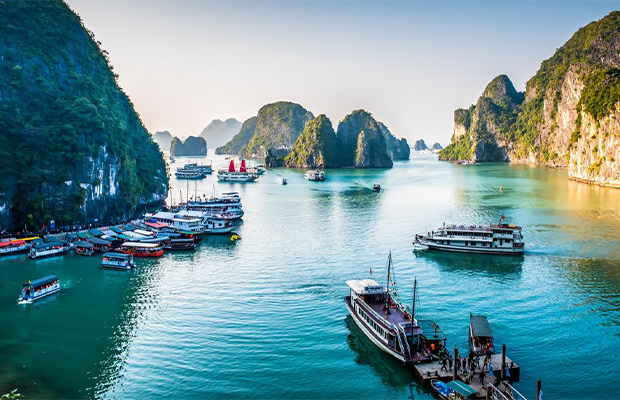
This route limits backtracking and keeps flight legs logical. For upgrades, adding a rest day in Hoi An or Hanoi improves comfort. Upgrading the cabin on a Halong Bay cruise is one of the easiest comfort upgrades because it improves the highlight without changing the route shape.
Route Snapshot
Nights split favors Vietnam, where travel distances are longer. Thailand sets the rhythm. Cambodia adds depth.
Thailand uses six nights. Cambodia uses three. Vietnam uses twelve. Flights usually range from three to five, depending on schedules and optional changes.
Pace stays balanced. This works well for couples and friends. Travelers who dislike frequent packing may prefer removing one stop.
An easy upgrade adds a rest day in Hoi An tours style pacing (slow mornings, easy evenings).
Minimum Nights Rule
Applying minimum nights ensures travel is smooth and highlights get enough time. The following table shows key stops:
|
Stop |
Minimum Nights |
Why |
|
Bangkok |
2 |
Jet lag buffer and city highlights |
|
Chiang Mai / Chiang Rai |
2 |
Nature and slower pace |
|
Siem Reap |
3 |
Angkor Wat exploration needs time |
|
Hanoi + Halong Bay |
4 |
Halong cruise is a 2-day block |
|
Hoi An |
2 |
Evening walks and cultural immersion |
|
Sapa |
2 |
Travel time makes one night ineffective |
Skipping these minimum nights risks rushed sightseeing or missed experiences. If Angkor is the “must-do,” keeping Siem Reap at 3 nights pairs best with a focused Angkor Wat tour rhythm (early start, slow afternoon, one main circuit each day).
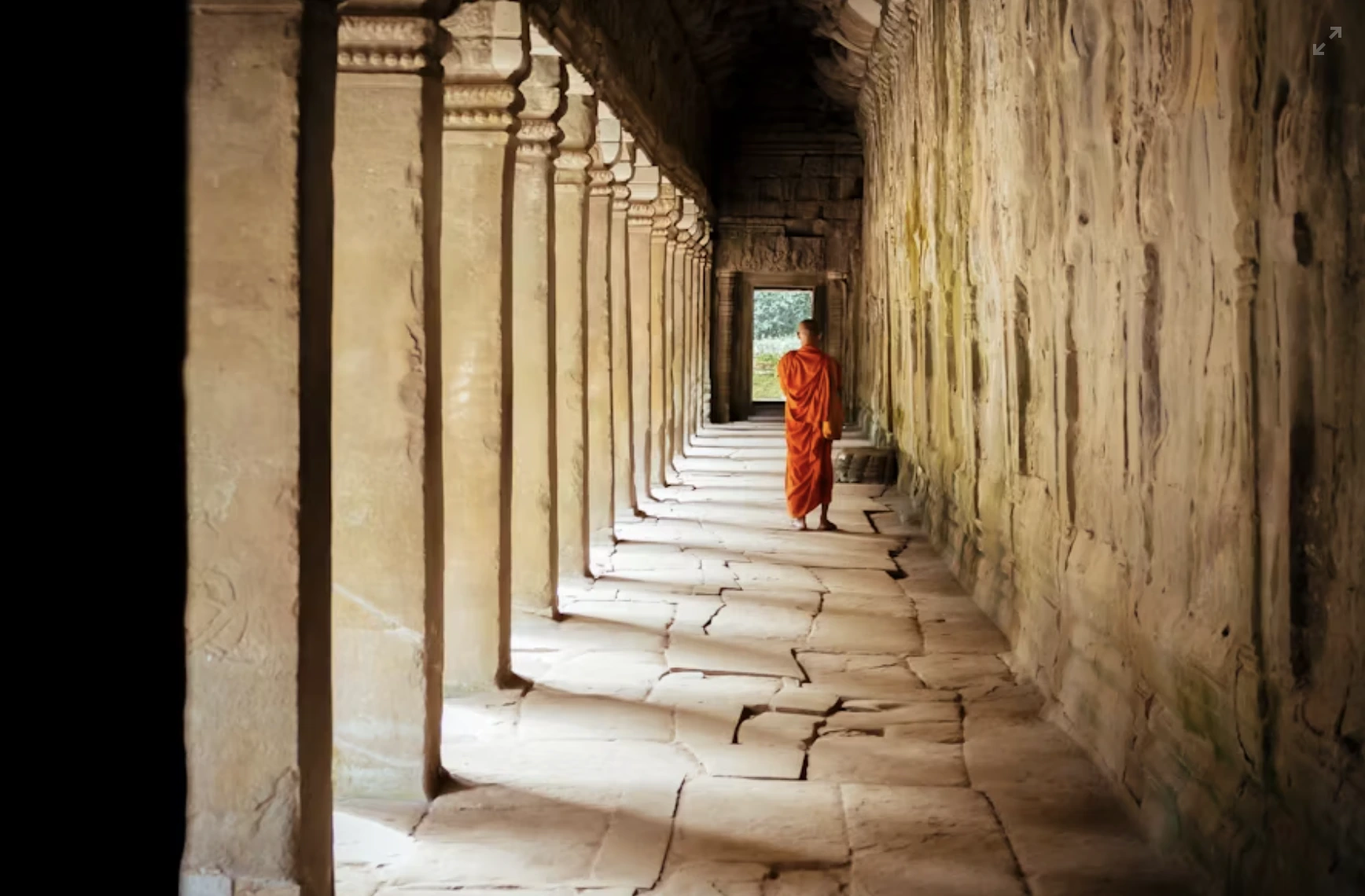
 A local guide helps you understand Angkor clearly without rushing between temples.
Typical Flight Legs
Flights keep this route efficient. These are the most common flight legs on this plan:
|
Flight Leg |
Purpose |
Notes |
|
Bangkok → Chiang Mai / Chiang Rai |
Northern Thailand entry |
Short domestic flight, replaces long road travel |
|
Chiang Mai / Chiang Rai → Siem Reap |
Thailand to Cambodia |
Direct or one-stop flights work best |
|
Siem Reap → Ho Chi Minh City |
Cambodia to Vietnam |
Saves a full overland day |
|
Ho Chi Minh City → Da Nang |
South to central Vietnam |
Keeps Vietnam travel linear |
|
Da Nang → Hanoi |
Central to north Vietnam |
Efficient final mainland connection |
Reducing flights is possible by removing stops such as Sapa or Hoi An. Choosing one major Vietnam highlight—Halong Bay or Sapa—also saves travel time. If you keep Sapa in the plan, it helps to treat it as a clear “mountain block,” similar to how Sapa tours are paced (two nights minimum, one main scenery day).
Day-by-Day Itinerary
Day 1: Arrive Bangkok. Easy river-area walk or neighborhood food street. Early night.
Day 2: Bangkok temples and old city. Grand Palace and Wat Pho block, then a slow evening market.
Day 3: Travel to Chiang Rai. White Temple visit, then light café time and night market.
Day 4: Chiang Rai and Golden Triangle day. Mekong viewpoint, museum or river stop, then relaxed dinner.
Day 5: Travel to Chiang Mai. Old City orientation walk, temples close together, calm evening.
Day 6: Chiang Mai main experience day. Ethical elephant sanctuary or cooking class as the single anchor, then night bazaar.
Day 7: Travel to Siem Reap. Hotel check-in, rest afternoon, then night market.
Day 8: Angkor core temples. Early start for Angkor Wat and main circuit, finish with a slow evening.
Day 9: Angkor second day. Ta Prohm and a lighter temple mix, then optional village or performance.
Day 10: Fly to Ho Chi Minh City. District 1 walk, coffee stop, early dinner.
Day 11: Ho Chi Minh City history and city blocks. Museum or landmarks, then market and street food.
Day 12: Mekong Delta day trip or one-night add-on. Keep the evening light after the return.
Day 13: Fly to Da Nang, transfer to Hoi An. Ancient Town orientation, riverside evening.
Day 14: Hoi An slow day. Cooking class or tailor block, then beach or café time.
Day 15: Fly to Hanoi. Old Quarter walk and food focus.
Day 16: Hanoi culture day. Key sights in one area, then lake walk and coffee.
Day 17: Halong Bay cruise day 1. Transfer, boarding, and overnight on the bay.
Day 18: Halong Bay cruise day 2, return Hanoi. Easy evening and early rest.
Day 19: Transfer to Sapa. Arrival walk and light viewpoints.
Day 20: Sapa main scenery day. Terrace viewpoint or gentle trek, then calm evening.
Day 21: Return toward Hanoi and depart, or depart from Hanoi if your flight timing fits.
 The Mekong Delta is an easy add-on after Saigon for slower river life and green scenery.
Tips After the Itinerary
Booking priorities include Halong Bay cruise cabins, key hotels in Hanoi and Hoi An, and peak-season flights. On travel days, plan only one main activity, such as a short market visit or light walk. Avoid heavy tours immediately after arrival.
To reduce flights, drop one stop or choose a single Vietnam highlight. Overnight trains are options but add slow travel flavor. Simple rule: any change adding a new flight usually complicates the route rather than simplifying it.
This route forms a classic 3-week Southeast Asia itinerary. It balances culture, landscapes, and manageable travel.
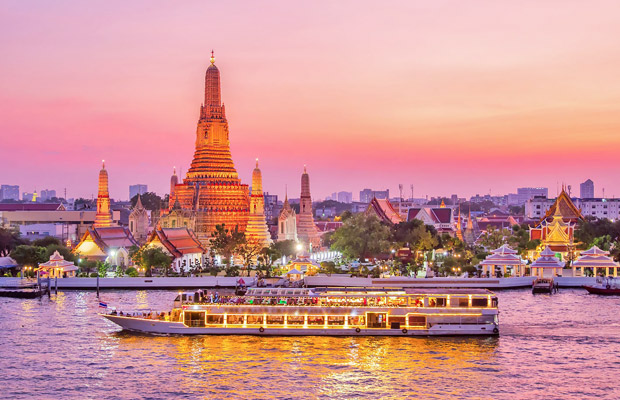

3-Week Itinerary B: City, Food, and Easy Logistics
This Southeast Asia itinerary works well for travelers who value comfort, food, and smooth transport. It reduces border stress and keeps distances short. Many travelers consider this the easiest Southeast Asia travel itinerary for a first long trip.
Route Overview
The route moves south to north, then ends inland. This avoids backtracking and keeps flight legs short.
Singapore – Kuala Lumpur – Penang – Langkawi – Bangkok – Chiang Mai
This structure suits a Southeast Asia itinerary 3 weeks long without constant movement.
Route Snapshot
Nights split usually favors Thailand, with Malaysia as the middle section.
Singapore uses three nights. Malaysia uses around seven nights across three stops. Thailand uses eleven nights.
Flights usually range from two to four, depending on where you exit. Pace feels comfortable rather than fast.
If you want to “lock” Thailand pacing without adding more places, a 10-day Thailand rhythm is a good reference for how to split Bangkok + north days in a relaxed way.
This route suits food lovers, comfort travelers, and people new to Southeast Asia. It is less ideal for travelers focused on Angkor or Vietnam’s landscapes. An easy upgrade improves hotels and adds private transfers.
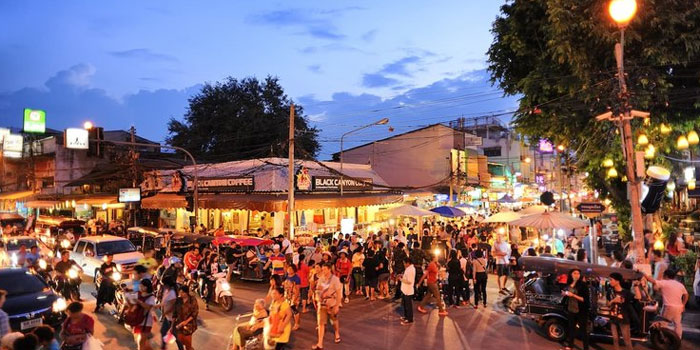 A slower city pace makes a 3-week itinerary feel comfortable, not rushed.
Minimum Nights Rule
Minimum nights at each stop create rhythm and reduce fatigue. Singapore requires at least two to three nights since the city highlights sit close together. Kuala Lumpur also works well with two to three nights, allowing visits to Batu Caves and central districts.
Penang deserves three nights to enjoy food tours, heritage streets, and local culture. Langkawi is best with four nights to use it as a relaxed beach base. Bangkok needs two to three nights for temples and markets, while Chiang Mai benefits from three to four nights for slow exploration and nature day trips.
Typical Flight Legs
This route can be done with a mix of flights and short ground links. These are the most common flight legs travelers use.
|
Flight Leg |
Purpose |
Notes |
|
Singapore (SIN) → Kuala Lumpur (KUL) |
Main route between city hubs |
Frequent, short flights under 1 hour |
|
Kuala Lumpur (KUL) → Penang (PEN) |
Move north within Malaysia |
Quick connection for food and heritage stops |
|
Penang (PEN) → Langkawi (LGK) |
Simple beach base hop |
Short regional flight or ferry alternative |
|
Langkawi (LGK) → Bangkok (BKK/DMK) |
Malaysia → Thailand entry |
Good link into Thailand’s temples/food |
|
Bangkok (BKK/DMK) → Chiang Mai (CNX) |
Thailand domestic north |
Common short flight; trains also work |
|
Chiang Mai (CNX) → Chiang Rai (CEI) |
Northern circuit |
Often direct or via Bangkok |
Reducing flights is possible by skipping Langkawi or replacing it with Siem Reap or Hanoi, though that adds one extra border and flight.
Day-by-Day Itinerary
Day 1: Arrive Singapore. Easy neighborhood walk and early night to recover from travel.
Day 2: Singapore city core. Marina Bay area, Gardens by the Bay, and an evening waterfront stroll.
Day 3: Singapore culture and food. Chinatown or Little India, hawker centers, and relaxed cafés.
Day 4: Travel to Kuala Lumpur. Hotel check-in, short city walk, and local dinner.
Day 5: Kuala Lumpur highlights. Petronas Towers area, Batu Caves, and central neighborhoods.
Day 6: Kuala Lumpur markets and food streets. Light sightseeing with a slow evening.
Day 7: Travel to Penang. Georgetown orientation walk and street food focus.
Day 8: Penang heritage day. Temples, clan houses, murals, and museum stops.
Day 9: Penang food and coast. Cooking class or food crawl, then a calm seaside evening.
Day 10: Fly to Langkawi. Beachfront check-in and rest afternoon.
Day 11: Langkawi beach day. Swimming, short walks, and relaxed meals.
Day 12: Langkawi light touring. Cable car or mangrove cruise as the main activity.
Day 13: Langkawi free day. Optional island hop or full rest day.
Day 14: Fly to Bangkok. Evening river area walk or hotel rest.
Day 15: Bangkok temples and old city block. Markets in the evening.
Day 16: Bangkok buffer day. Floating market, short day trip, or shopping focus.
Day 17: Travel to Chiang Mai. Old City walk and nearby temples.
Day 18: Chiang Mai main experience day. Ethical elephant visit or cooking class.
Day 19: Chiang Mai nature or craft villages. Slow pace and café breaks.
Day 20: Chiang Mai free day. Optional day trip or full rest.
Day 21: Departure from Chiang Mai or Bangkok, depending on flight routing.
Tips After the Itinerary
This itinerary feels easy because borders and flights stay minimal, while the single beach base adds rest. Want Cambodia or Vietnam instead? Replace Langkawi with Siem Reap or Hanoi, but expect one additional flight. The travel-day rule applies here as well: keep arrivals light with only one main activity.
3-Week Itinerary C: Mainland Highlights + Indonesia Beach Finish
This route suits travelers who want a cultural first half with a slow beach ending. It blends Thailand, Cambodia, Vietnam, and Bali. The plan works well for honeymooners, families, or those wanting calm after several mainland stops.
Route Overview
This route limits cities and ends with rest. Vietnam stays focused on the north only. Bali becomes the single beach base.
Bangkok – Siem Reap – Hanoi – Halong Bay – Bali
Route Snapshot
Nights divide as Thailand four, Cambodia three, Vietnam seven, and Bali seven. Flights typically total three to five, depending on final city connections. The pace remains relaxed, giving leisure mornings and beach days.
Thailand, Cambodia, and Vietnam tours form the first half, focusing on cultural highlights, city experiences, and iconic landscapes. Bali finishes the trip with a slow, scenic base for rest and optional light tours.
Minimum Nights Rule
Thailand’s start with three to four nights allows adjustment to the heat and jet lag. Siem Reap requires three nights for Angkor exploration.
Hanoi fits three to four nights with city highlights and optional day trips. A structured city base feels easier when you treat it like short blocks similar to Hanoi tours pacing (one area per day, plenty of café breaks).
Halong Bay uses a two-day, one-night cruise block. Bali’s six to seven nights create the slow, beach-focused finish. These allocations ensure smooth travel without rushed mornings or late-night transfers.
Typical Flight Legs
|
Flight Leg |
Purpose |
Notes |
|
Bangkok (BKK) → Siem Reap (SAI) |
Thailand → Cambodia entry |
Short regional flight, frequent service |
|
Siem Reap (SAI) → Hanoi (HAN) |
Cambodia → Vietnam |
Direct on some dates, otherwise one short stop |
|
Hanoi (HAN) → Bali (DPS) |
Mainland → beach finish |
Often includes one layover in Asia |
Reducing flights is possible by limiting Vietnam to Hanoi and Halong Bay. Additional Vietnam cities add complexity and can conflict with the relaxed Bali finish.
Day-by-Day Itinerary
Day 1: Arrive Bangkok. Easy hotel check-in and short neighborhood walk. Early night.
Day 2: Bangkok temples and old city. Grand Palace area and nearby sites, then a calm evening.
Day 3: Bangkok markets and food focus. Local neighborhoods, river areas, and street food.
Day 4: Bangkok buffer day. Optional short day trip or relaxed shopping and cafés.
Day 5: Fly to Siem Reap. Rest afternoon and evening market visit.
Day 6: Angkor core temples. Early sunrise start, main temple circuit, slow evening.
Day 7: Angkor second day. Lighter temples, village visit, or free time.
Day 8: Fly to Hanoi. Old Quarter orientation walk and food stops.
Day 9: Hanoi culture day. Key sights in one area, coffee breaks included.
Day 10: Ninh Binh day trip. Scenic landscapes and boat ride, return to Hanoi.
Day 11: Hanoi slow day. Museums, lake walk, or café time.
Day 12: Hanoi buffer day or optional nearby excursion.
Day 13: Transfer to Halong Bay. Cruise day one with overnight on board.
Day 14: Halong Bay cruise day two, return to Hanoi. Easy evening.
Day 15: Fly to Bali. Resort check-in and rest afternoon.
Day 16: Bali beach day. Swimming, walking, and light meals.
Day 17: Bali scenic drive or short cultural stop.
Day 18: Bali free day. Spa time or quiet exploration.
Day 19: Bali optional activity day or full rest.
Day 20: Bali slow day. Cafés, beach time, or sunset views.
Day 21: Depart Bali.
Tips After the Itinerary
Bali works best as a single beach base. Reducing flights within Vietnam simplifies travel. Arrival days should remain light. Including both Halong Bay and Sapa may overload the schedule, so pick one if a calmer trip is desired.
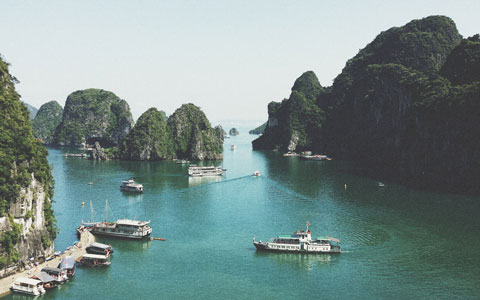
 A one-night cruise is the simplest way to enjoy Halong Bay without rushing.
Short on Time? How to Spend 2 Weeks in Southeast Asia
Two weeks in Southeast Asia requires careful planning to balance sightseeing, travel, and rest. A 2-week itinerary for Southeast Asia works best by focusing on fewer countries and main highlights.
Option A: First-Timers (Thailand + Cambodia + Vietnam)
Route: Bangkok → Siem Reap → Hanoi → Halong Bay → Hanoi
Nights: Bangkok 4, Siem Reap 3, Hanoi + Halong block 7
Typical flights: 2–3
The following table shows the typical flight legs used on this route and why they matter:
|
Flight leg |
Why it helps |
|
Bangkok (BKK/DMK) → Siem Reap (SAI) |
Protects time for Angkor |
|
Siem Reap (SAI) → Hanoi (HAN) |
Avoids a heavy overland day |
Below is a day-by-day plan that matches the night split and keeps travel days light:
Day 1: Arrive Bangkok. Light river area or neighborhood walk.
Day 2: Bangkok temples and old city.
Day 3: Bangkok markets and food focus.
Day 4: Bangkok buffer day or Ayutthaya.
Day 5: Fly to Siem Reap. Reset afternoon.
Day 6: Angkor core temples. Early start.
Day 7: Angkor second day plus slow evening.
Day 8: Fly to Hanoi. Old Quarter walk.
Day 9: Hanoi culture block plus food.
Day 10: Hanoi day trip or slow lake day.
Day 11: Halong Bay cruise day 1.
Day 12: Halong Bay cruise day 2, return Hanoi.
Day 13: Hanoi shopping and cafes.
Day 14: Depart Hanoi.
Booking priorities include the Halong Bay cruise and Angkor guides, especially during peak travel months. Common mistakes in this 14-day itinerary involve trying to add beach stops or multiple cities in Vietnam, which quickly overloads the schedule. Keeping the plan focused allows travelers to experience each highlight fully without rushing.
Siem Reap works best when you plan the Angkor days with a clear guide-led structure, similar to Siem Reap tours pacing (early start, midday rest, one main circuit each day).
 A guided walk helps you understand Hanoi quickly without packing too much into one day.
Option B: Easy Logistics (Singapore + Malaysia + Bali)
Route: Singapore → Kuala Lumpur → Penang → Bali
Nights: Singapore 3, Kuala Lumpur 3, Penang 3, Bali 5
Typical flights: 2
The following table shows the typical flight legs used on this route and why they matter:
|
Flight leg |
Why it helps |
|
Singapore (SIN) → Kuala Lumpur (KUL) |
Short hop between hubs |
|
Penang (PEN) → Bali (DPS) |
Gets you to the beach finish fast |
Below is a day-by-day plan that matches the night split and keeps travel days light:
Day 1: Arrive Singapore. Easy neighborhood walk and early night.
Day 2: Singapore city highlights, gardens, and waterfront areas.
Day 3: Singapore cultural districts and food focus.
Day 4: Travel to Kuala Lumpur. Light city walk after arrival.
Day 5: Kuala Lumpur city tour and Batu Caves.
Day 6: Kuala Lumpur markets and evening food streets.
Day 7: Travel to Penang. Georgetown orientation walk.
Day 8: Penang heritage streets, temples, and museums.
Day 9: Penang food focus and slow coastal evening.
Day 10: Fly to Bali. Resort check-in and rest afternoon.
Day 11: Bali beach day or spa time.
Day 12: Bali scenic drive or short cultural tour.
Day 13: Bali free day for relaxation or optional activity.
Day 14: Depart Bali.
This itinerary keeps travel days light, minimizes flights, and allows a balance between city exploration and leisure. Limiting the number of countries to two or three ensures comfort and reduces packing fatigue.
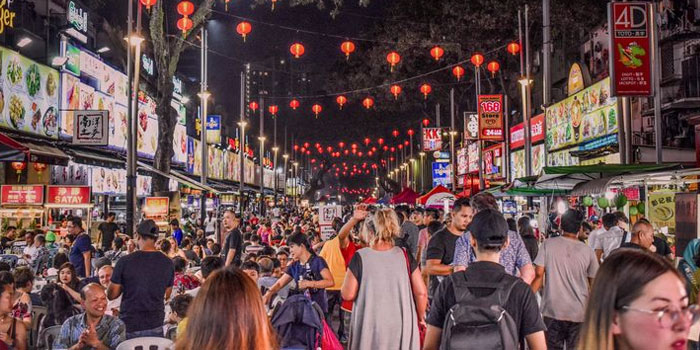 Kuala Lumpur is easy to enjoy with simple city blocks and great local food.
Have More Time? Southeast Asia Itinerary for 1 Month (or More!)
A longer trip changes how Southeast Asia feels. A Southeast Asia itinerary 1 month long allows slower movement, fewer rushed days, and better recovery between regions. It also reduces daily costs because flights spread out over time. If you want a ready reference for a longer multi-country journey, many travelers start by browsing Vietnam Laos Cambodia Thailand tours .
Most travelers underestimate how valuable extra days are. With a month, you stop chasing highlights and start enjoying places. Travel also feels easier when you match your route to the best time to visit Southeast Asia instead of forcing every stop into the same weather window.
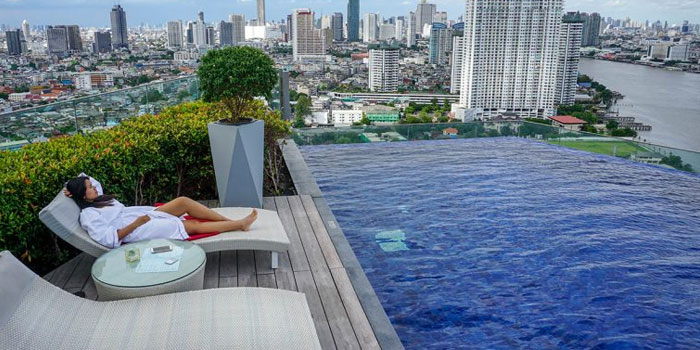 With a month, you can slow down and enjoy each place instead of rushing between highlights.
Version A: Best First Big Trip
Thailand + Cambodia + Vietnam + Laos + Singapore
This route suits first-time visitors who want depth without overload. It follows a clean mainland flow and finishes in a highly organized city.
A recommended plan includes Thailand, Cambodia, Vietnam, Laos, and Singapore. Week one starts in Thailand, covering Bangkok and Chiang Mai with cultural highlights, markets, and nature excursions. Week two moves to Cambodia with Siem Reap’s Angkor temples, followed by northern Vietnam with Hanoi and Halong Bay. Travelers who want a clear “mainland classic” structure often compare it with Vietnam Cambodia Thailand tours to see how the pacing works across three countries first.
Week three continues in central and southern Vietnam, including Hoi An, Ho Chi Minh City, and the Mekong Delta. Week four covers Laos in Luang Prabang and ends with Singapore, allowing city experiences and smoother departure logistics.
This route balances multiple countries while maintaining rhythm and avoiding rushed travel. Including at least two nights per key stop ensures highlights are enjoyed without constant packing or long travel days.
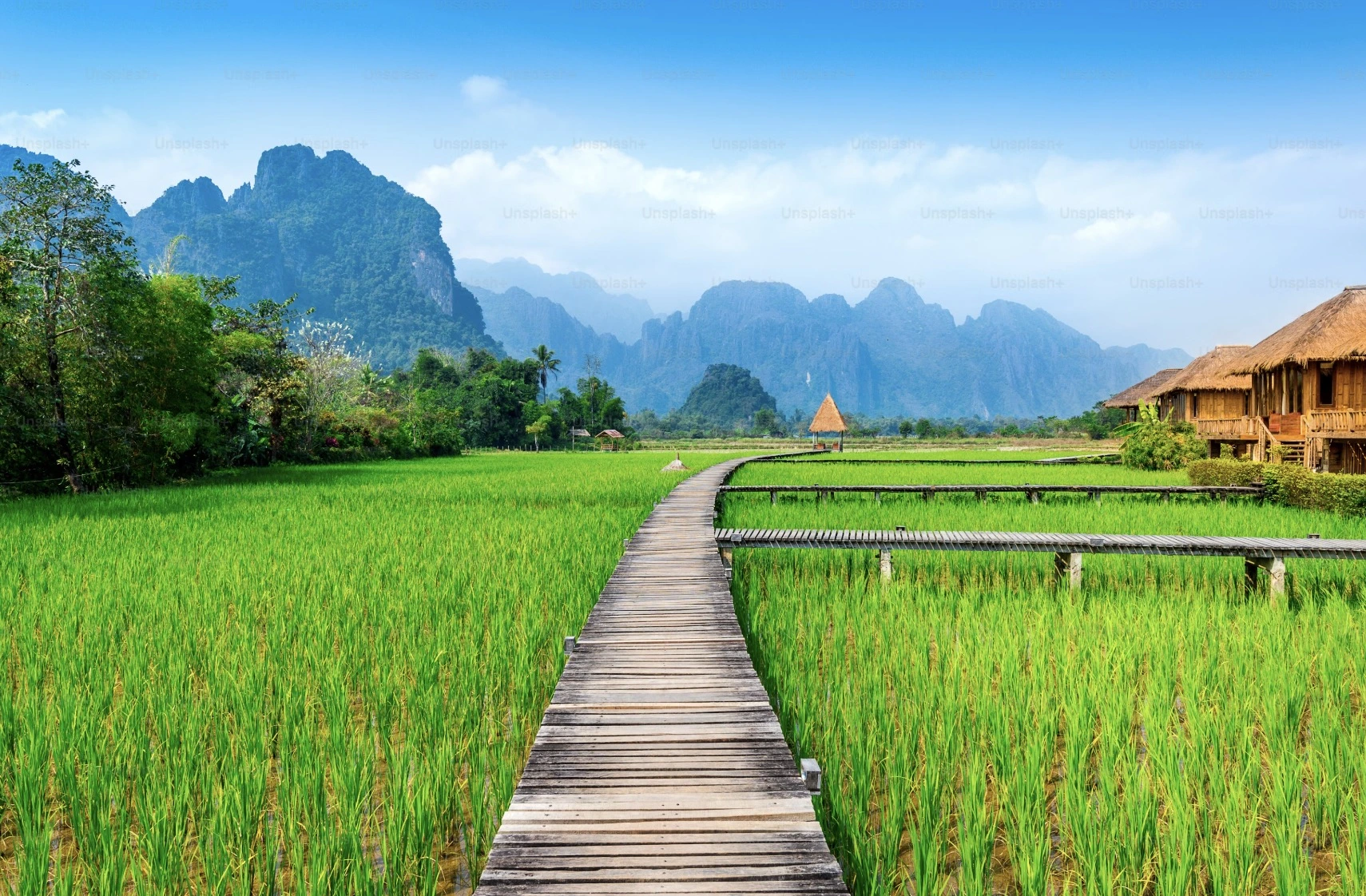
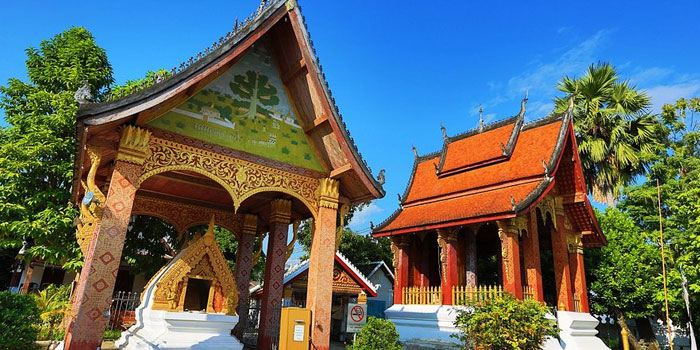 Adding Laos gives your month-long route a quieter rhythm and more breathing room.
Version B: Add Malaysia + Indonesia Without Rushing
Thailand + Cambodia + Vietnam + Malaysia + Indonesia
This version suits travelers who prefer variety and a beach finish.
In this 1-month plan, you add Malaysia and Indonesia to a Thailand, Cambodia, and Vietnam route. Week one remains in Thailand. Week two covers Cambodia and northern Vietnam. Week three moves to Malaysia, including Kuala Lumpur and Penang. Week four ends in Bali, Indonesia, providing a slow beach finish.
This version suits travelers seeking a mix of culture, city experiences, and beach relaxation. Limiting hotel changes and keeping key stops longer prevents travel fatigue. Flight planning remains critical to avoid unnecessary transfers, especially when combining Vietnam with Bali.
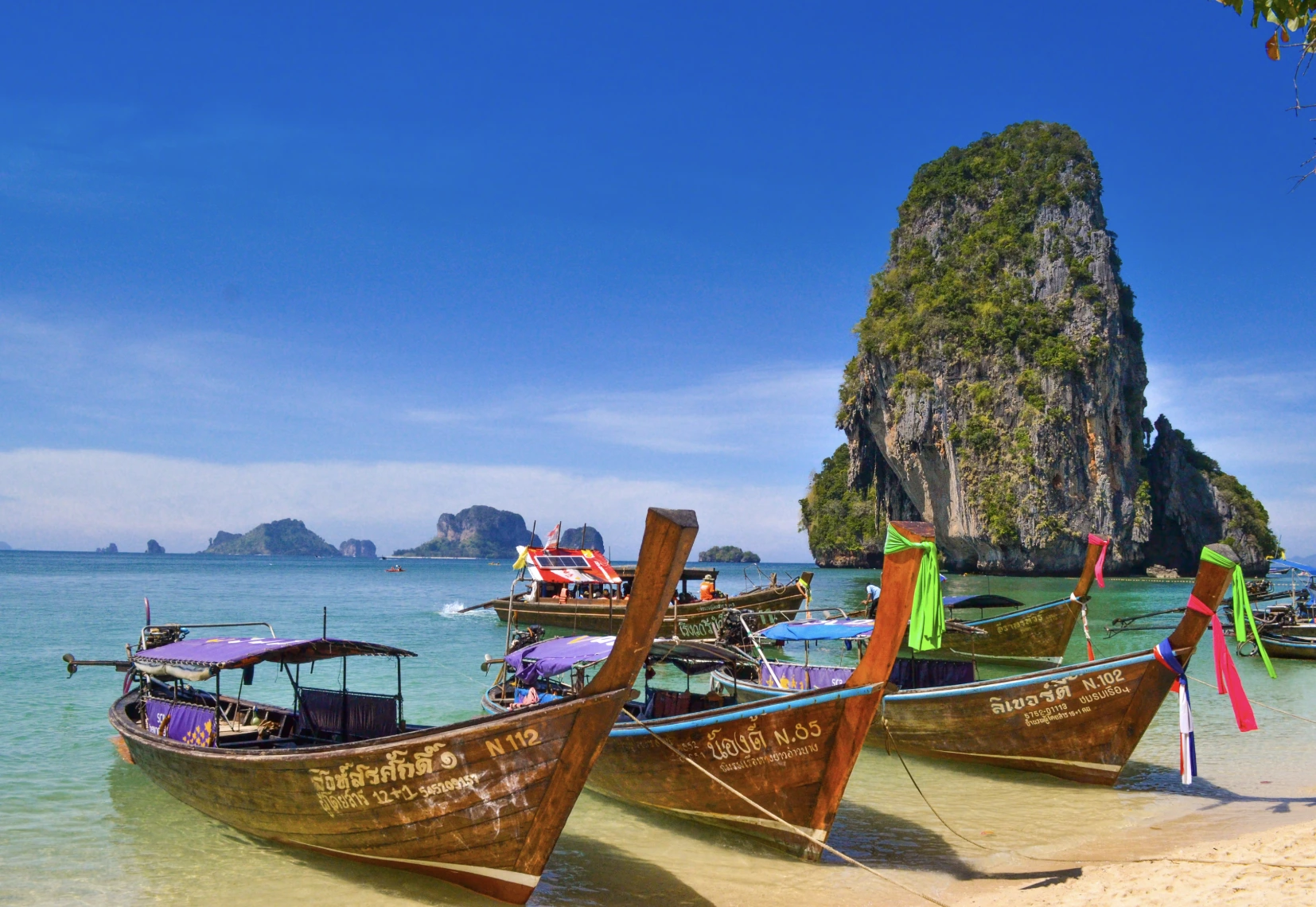
 Ending in Bali gives you real rest days after a full month of mainland travel.
Make These Southeast Asia Itineraries Fit Your Travel Style
Every traveler experiences Southeast Asia differently. Adjusting routes to your group, pace, and interests ensures the trip is enjoyable.
Family Travel
Families need slower mornings, more rest, and easy access to hotels with pools. Staying longer in each place reduces stress. Replacing long tours with short hands-on activities improves energy. Light boat rides, markets, and cultural shows work well. This structure keeps a Southeast Asia itinerary realistic for children.
|
Country |
Best family places |
Easy family activities |
|
Singapore |
Marina Bay area |
Light shows, aquarium, easy walks |
|
Thailand |
Bangkok, Chiang Mai |
Boat rides, markets, gentle temples |
|
Cambodia |
Siem Reap |
Main Angkor temples, village visit |
|
Vietnam |
Hanoi, Halong Bay |
Cyclo ride, easy cruise |
|
Indonesia |
Bali |
Resort days, short scenic drives |
 Family trips feel easier with shorter days, longer stays, and simple evening walks.
Honeymoon
Honeymoon trips need space, not density. Slow mornings and private experiences matter more than coverage. If you want a ready style reference, Thailand honeymoon tour ideas can help you keep the route romantic without over-packing the days.
Adding a beach finish improves balance. Bali or Langkawi works well as a final base.
Boutique hotels and river or ocean views improve comfort without constant upgrades. This approach fits a best Southeast Asia itinerary for couples.
|
Country |
Best honeymoon places |
Romantic experiences |
|
Thailand |
Bangkok river area |
Rooftop dining, private boat |
|
Cambodia |
Siem Reap |
Quiet temples, candlelit dinners |
|
Vietnam |
Hanoi and Halong Bay |
Luxury cruise cabin, sunset deck |
|
Indonesia |
Bali |
Spa days, private driver tours |
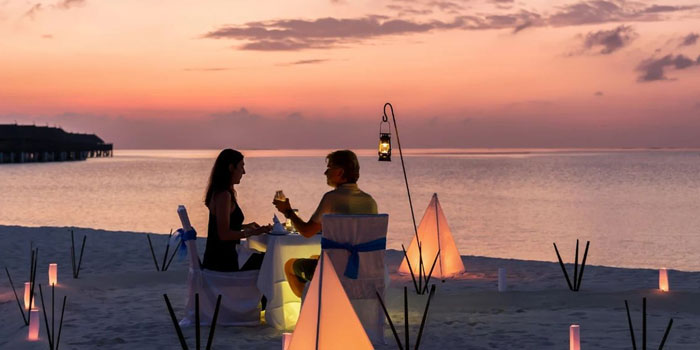 Honeymoons work best with slower mornings and a calm beach finish.
Luxury Travel
Luxury travel works best with fewer hotel changes. Comfort days matter more than packed schedules.
Private transfers reduce friction. Private guides add value in cultural sites like Angkor and Halong Bay.
Upgrading hotels in key hubs gives better returns than upgrading everywhere.
|
Country |
Luxury focus areas |
Premium experiences |
|
Singapore |
Marina Bay |
High-end hotels, fine dining |
|
Thailand |
Bangkok, Chiang Mai |
Private temple tours, spa days |
|
Cambodia |
Siem Reap |
Private Angkor guide |
|
Vietnam |
Hanoi, Halong Bay |
Top cruise cabins |
|
Indonesia |
Bali |
Private villas and wellness |
Luxury routes still follow the same pacing rules as other Southeast Asia itineraries.
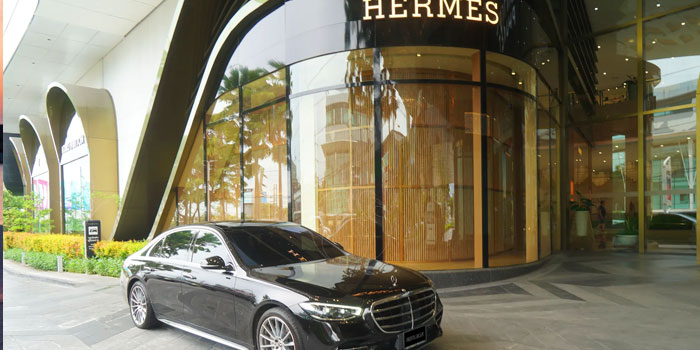 Luxury travel feels best when you move less and upgrade the key hubs.
Seniors / Slower Travelers
Slower travelers benefit from three to five nights in key hubs. Avoiding early starts protects energy. Choosing easier nature options works better than long treks. Scenic drives and boat rides suit this group. If your group needs gentler pacing, Southeast Asia for seniors is a good reference for how to keep days comfortable.
Choosing easier nature options works better than long treks. Scenic drives and boat rides suit this group.
|
Country |
Best places for slower pace |
Gentle activities |
|
Singapore |
Marina Bay |
Indoor attractions, easy transport |
|
Thailand |
Bangkok |
River cruise, short temple visits |
|
Cambodia |
Siem Reap |
Main temples only |
|
Vietnam |
Hanoi and Halong Bay |
Coffee culture, relaxing cruise |
|
Indonesia |
Bali |
Resort rest days, spa time |
A Southeast Asia travel itinerary should match physical comfort as much as interest.
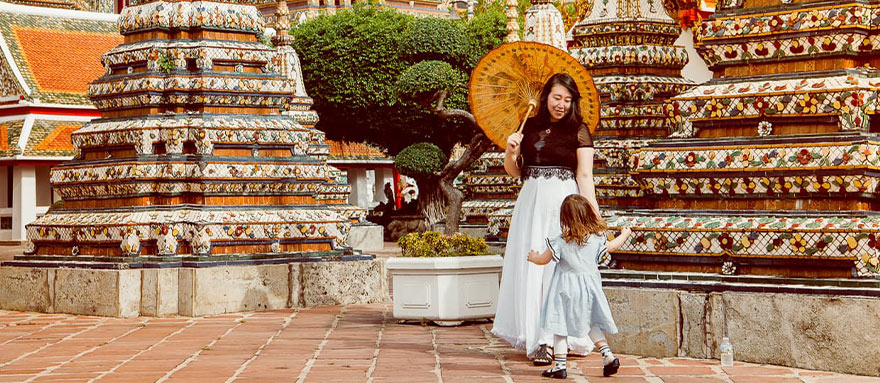
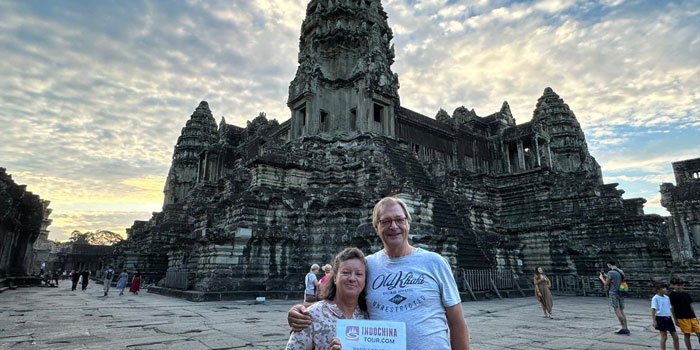 A slower pace, shade breaks, and gentle activities make the trip more comfortable.
Budget & Practical Travel Guide for Southeast Asia Itineraries
Traveling across Southeast Asia requires balancing cost, comfort, and convenience. Budget planning helps avoid surprises and allows trips to fit personal priorities.
Budget Ranges
Daily costs in Southeast Asia vary more by travel style than by country. Food can stay affordable across the region, but hotel quality, private tours, and internal flights shift totals quickly. Use the ranges below as planning anchors rather than fixed guarantees.
|
Travel style |
Typical daily range per person |
What it usually includes |
|
Budget |
USD 35–60 |
Hostels or simple hotels, street food, local transport, low-cost sights |
|
Mid-range |
USD 70–130 |
Better hotel locations, mixed dining, ride-hailing, selected tours |
|
Comfort |
USD 150–250 |
Upgraded hotels, more flights, private day trips |
|
Luxury |
USD 300+ |
Premium hotels, private guides, curated experiences |
Scope note: These ranges exclude international flights, visas, travel insurance, and multi-day cruises. Halong Bay cruises and Bali villas often add noticeable cost spikes.
Where to Stay
Hotel location often matters more than star ratings. Staying centrally saves hours of travel daily. Pools are valuable for hot seasons.
Key areas in each country include Marina Bay and Sentosa in Singapore, Kuala Lumpur city center, Penang heritage streets, Bangkok river area, Chiang Mai central district, Siem Reap near Angkor, Hanoi Old Quarter, Hoi An riverside, and Bali’s south coast or Ubud, depending on preference. One to two upgrades in top hubs often improve the trip without overspending.
Best Time to Visit
The weather varies by coast and country. Mainland Southeast Asia’s dry season runs roughly from November to March, while southern islands may vary.
Matching travel dates to destination weather improves comfort. Beaches in Bali, Langkawi, or Phuket feel best in dry months. The rainy season can affect outdoor activities, so coastal and inland timing matters for route planning.
Getting Around Southeast Asia
Flights save time when distances are long, especially between countries. Short overland routes are useful within borders like Thailand or Vietnam.
A simple rule: keep plans light on transfer days to avoid exhaustion. Overland travel works well between nearby cities, trains and buses add scenic value, but domestic flights reduce transit time for multi-country itineraries.
Warm Travel Tips
Carry local currency and a card for flexibility. SIM cards or eSIMs help navigation, translation, and booking. Pack for heat, rain, and temple visits, including modest clothing and light layers. Street food is mostly safe, but drink bottled water.
Temple etiquette matters; remove shoes, cover your shoulders, and respect photography rules. Be cautious of common scams, especially at tourist hotspots, and keep valuables secure.
 A central hotel location saves time every day and makes evenings much easier.
FAQs about Southeast Asia Itinerary
Is 3 weeks enough for Southeast Asia?
Yes. Three weeks is a great amount of time for Southeast Asia. You can visit 3–4 countries without feeling rushed. It gives you time for big cities, local food, temples, and a few nature or beach days. With a good pace, the trip feels full but still comfortable.
How many countries can I do in 21 days?
Three to four countries is the sweet spot for 21 days. You can enjoy the highlights and still have rest time. If you try more than four, you will spend too much time flying, checking in, and packing. Fewer countries often means a smoother and happier trip.
How many flights do I usually need?
Most 3-week trips use around 3–5 flights. It depends on how many countries you include and whether you add islands. If you want fewer flights, choose bigger hubs and stay longer in each place. Overland travel can also help when cities are close.
How much should I budget for 14 / 21 / 30 days?
Budgets depend on comfort and flights. For 14 days, budget travel may be around $500–700, while mid-range is often $1,000–1,500. For 21 days, many mid-range travelers spend $1,200–2,500. A 30-day trip can range from $2,000–5,000, especially with more flights and nicer hotels.
Best route with fewer flights?
For fewer flights, Singapore + Malaysia + one Thailand stop is very easy. You can move by short flights or even land routes in some areas. Another good option is Thailand + Cambodia + Vietnam, with a mix of flights and a few overland transfers. Keep the route simple and avoid too many small cities.
Is it better to start in Bangkok or Singapore?
Bangkok is a great start for first-timers. It has temples, street food, markets, and lots of easy flight connections. Singapore is best if you want a clean, modern city start with comfort and great transport. Both work well. The best choice depends on your travel style and budget.
Best time for beaches vs mainland routes?
For mainland routes like Thailand, Cambodia, and Vietnam, November to March is usually the driest and easiest time. Beach weather is also great in Phuket and Langkawi during these months. Rain seasons change by coast, so it’s important to pick the right beach area for your travel dates.
Best route for families / honeymoon / luxury?
Families enjoy trips with fewer early mornings, easy travel days, and hotels with pools. Honeymoon couples often love slower pacing, nice stays, and ending on a beach. Luxury travelers usually choose private guides, better rooms, and special activities. The best route is the one that matches your comfort level and travel rhythm.
What should I book early?
In peak season, book flights and popular hotels early. Halong Bay cruises and Angkor guides also fill fast. Boutique stays in places like Hoi An, Bali, and Singapore can sell out quickly too. Early booking gives you better choices, better locations, and a smoother plan with fewer last-minute changes.
How do I avoid changing hotels too often?
Stay longer in each place. Two to three nights per city is a good rhythm for comfort and sightseeing. Use big hubs as bases and do day trips instead of moving every day. For beaches, stay in one beach area for several nights. Less hotel switching makes the trip feel calmer and more enjoyable.
.jpg)
Conclusion
A strong Southeast Asia itinerary depends on flow and pacing, not the number of places visited. Two-week routes work best when they focus on core highlights. Three-week plans allow culture and scenery without pressure. One-month itineraries create space for slower travel, extra countries, and a relaxed beach ending.
These Southeast Asia tour routes can adapt to different travel styles. Families benefit from longer stays and central hotels. Honeymoon trips work better with fewer moves and calm finishes. Comfort and senior travel improve with light travel days and fewer flights. Simple planning choices make a bigger difference than packed schedules.
At Indochinatour.com, we help travelers turn these routes into trips that fit real travel needs. Share your dates, trip length, and pace preference, and we’ll shape the itinerary around you. Start planning with us and travel Southeast Asia with confidence and ease.
Pheakdey
Before I recommend a multi-country route, I check the connections first.
I’ve spent 8 years planning Indochina trips, and multi-country journeys make up much of my work. A badly timed flight, a rushed border crossing, or a hotel in the wrong part of town can affect more than one day.
Many recent client reviews mention the itineraries I designed. The questions they ask—about timing, transfers, and whether a route really works—often become the starting point for what I write.
Email me about your travel idea




.jpg)
.jpg)
.jpg)