

16 Questions Every First-Time Traveler Asks about Vietnam Tours

Ivy
I’m Ivy. Over the past 10 years, I’ve planned private trips for more than 500 travelers, and those journeys have received 100% positive feedback.
In 2018, I traveled solo across Indochina. Since then, I’ve looked at routes differently. Some need another night. Some transfers take too much time for too little reward. And sometimes, an itinerary simply has too much packed into it.
That is the kind of detail I focus on when I write—how long to stay, which route makes sense, and what is actually worth including.

 Email me about your travel idea
Vietnam is a welcoming destination for first-time travelers, but it pays to be prepared. Its exotic culture has centuries of tradition that make visiting such a unique experience.
For most first-time visitors, the small details make the biggest difference. Knowing where to stay, how much cash to carry, which apps to use, and how to pace long travel days can make Vietnam feel much easier from the first day.
There’s a lot to know when traveling to Vietnam, and we’ve collected the most common questions from first-time visitors. Get ready and ensure you have a smooth experience with these 16 questions everyone asks on their first visit to Vietnam.
 Is Vietnam worth visiting for first-time travelers?
How many days in Vietnam is enough for a first trip?
What is the best Vietnam itinerary for first-time visitors?
Is a private Vietnam tour worth it?
When is the best time to visit Vietnam?
What is the best way to travel between cities in Vietnam?
What are the Vietnam visa and entry requirements for tourists?
Can you combine Vietnam with Cambodia, Thailand, or Laos?
How much does a Vietnam trip cost?
Can a Vietnam itinerary be customized for families, seniors, or couples?
Is street food in Vietnam safe for tourists?
What kind of local support do you get during a Vietnam trip?
Where should first-time visitors stay in Vietnam?
How much cash do you need in Vietnam?
What are the Vietnam travel do’s and don’ts?
Is Vietnam worth visiting for first-time travelers?
Absolutely, yes! Vietnam is an incredible holiday destination. It has a combination of breathtaking natural scenery, historic wonders, vibrant urban centers, and delicious food that makes it unique and unforgettable.
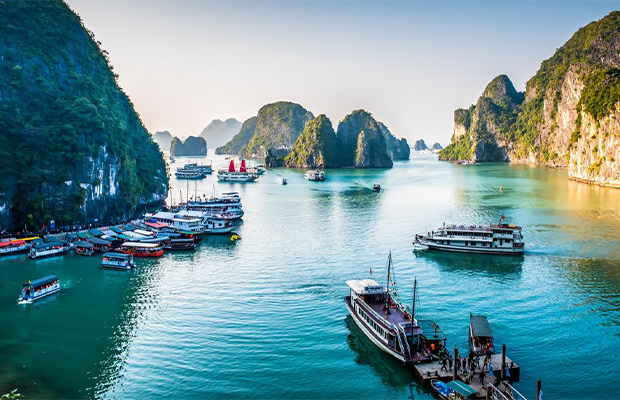
In one trip, you can cruise the emerald waters of Halong Bay, explore Hanoi’s historic Old Quarter, stroll along the lantern-lit streets of Hoi An, and enjoy the street food of Ho Chi Minh City. With so many options, it’s easy to fully personalize a Vietnam tour to get exactly the experience you want.
 Vietnam gives first-time visitors a rich mix of scenery, history, food, cities, and local culture in one journey.
How many days in Vietnam is enough for a first trip?
There’s no wrong answer for the Vietnam tour length, but we recommend 8-10 days to see the highlights of Vietnam. You can travel the length of the country, taking in the most popular attractions, without feeling rushed. If you only have a week, you can focus on one region, such as the north or south.
In two weeks, you can travel from north to south, covering major destinations like Hanoi, Ha Long Bay, Hoi An, and Ho Chi Minh City. Longer stays of three weeks or more provide the opportunity to explore off-the-beaten-path areas.
From our experience planning private Vietnam trips, first-time visitors often enjoy Vietnam more when they avoid changing hotels too often.
A good pace is usually two or three nights in the main cities, with one overnight cruise or countryside stay added in between. This gives enough time for sightseeing, food, rest, and unexpected delays.
What is the best Vietnam itinerary for first-time visitors?
A classic north-to-south route is a popular way to plan a first-time Vietnam itinerary, starting with the culture and history of Hanoi. Halong Bay is nearby and not to be missed. See its stunning natural beauty on an overnight cruise.
Try not to treat Vietnam as one single destination. The north feels more cultural and scenic, central Vietnam is slower and more atmospheric, and the south is warmer, busier, and easier for Mekong Delta experiences. This regional contrast is the reason a north-to-south route works so well for first-timers.
In central Vietnam, Hoi An Ancient Town is a must-see destination. It’s a charming destination that preserves the atmosphere of a historical trading port.
Ho Chi Minh City is the vibrant hub of the south. It has a rich urban culture and historical sites from colonial times and the Vietnam War. Ho Chi Minh City is also the gateway to the Mekong Delta. Take a boat Mekong Delta tour to explore floating markets and experience traditional river culture.


Is a private Vietnam tour worth it?
Private Vietnam tours are the best choice for the smoothest travel experience. With your own guide and private vehicle, you’ll have a fully customized experience with personalized attention.
Local customs, language, and regional differences in Vietnam can be challenging, but you’ll have a local expert with you every step of the way.
Private tours give you the flexibility to explore and the guidance to understand the stories and traditions behind the sights.
When is the best time to visit Vietnam?
The best time to visit Vietnam is during the dry season, from November to April. Each region in Vietnam has its own weather patterns, but during these months, conditions align for a great travel experience across the country.
Sunny, clear skies, and warm temperatures are perfect for exploring the streets of Ho Chi Minh City, seeing the stunning landscapes of Halong Bay, or relaxing on the beaches in Phu Quoc.
Still, Vietnam’s weather is very regional. Hanoi and northern Vietnam can feel cool in December and January, especially in the mountains.
Central Vietnam can still have rain around October and November. Southern Vietnam is usually warmer year-round, with a clearer dry season from roughly December to April.
December and January are the peak travel months. From February to April, you can still find great weather with smaller crowds.
Vietnam rainy season, from May to October, can be good for budget travelers or people looking for a quieter experience. Heavy rains can disrupt plans, but there are lots of indoor activities to enjoy in big cities.
 Vietnam’s weather changes by region, so first-time visitors should plan the route around both season and destination.
What is the best way to travel between cities in Vietnam?
The many different transportation options in Vietnam let you match the way to travel with the experience you want to have. Domestic flights are a fast and affordable way to get around. Dozens of daily direct flights link major cities with routes often taking only an hour.
For first-time visitors, domestic flights are usually the easiest choice for long distances, especially between Hanoi, Da Nang, and Ho Chi Minh City. But you still need to allow time for airport transfers, check-in, luggage, and possible delays. A one-hour flight can still take half a day door-to-door.
Vietnam’s train system is a great choice for taking your time to see the scenery. Modern trains have clean and comfortable sleeper cabins so you can wake up refreshed and ready to continue your tour.
Buses are the most economical option, and also a nice way to see the countryside if you’re not in a hurry. Bus routes usually take longer, but can be an immersive local experience.
Useful apps include Google Maps for directions, Grab for city rides in major destinations, and Google Translate for menus or simple conversations. An eSIM or local SIM card is also worth arranging early, because smooth internet access makes transport and payments much easier.
 Domestic flights, trains, and private transfers can help first-time visitors travel between Vietnam’s main cities more comfortably.
What are the Vietnam visa and entry requirements for tourists?
Most international travelers need a tourist visa to visit Vietnam. The best way is to use Vietnam’s e-visa system. E-visas can be applied for online and are available for single or multiple entries.
The official fee is 25 USD for a single-entry e-visa and 50 USD for a multiple-entry e-visa. Travelers should apply through the official system and check the permitted entry and exit points before booking flights or border crossings.
Always check your passport validity, your exact arrival airport, and your name spelling before submitting the application. Small errors can cause delays. It is also smart to apply at least one week before departure, even if processing is often faster.
Travelers from many Asian and European countries can enter Vietnam visa-free for limited stays, depending on nationality. Vietnam Airlines also notes visa exemption cases for several countries and Phu Quoc’s special visa-free policy for stays of up to 30 days under certain conditions.
Phu Quoc enjoys a special status as a visa-free destination for many travelers. Stays of up to 30 days are permitted if travelers meet the island’s entry conditions. A tourist visa is needed if you plan to travel from Phu Quoc to other parts of Vietnam.
Can you combine Vietnam with Cambodia, Thailand, or Laos?
Yes! Regional tours of Southeast Asia, including Vietnam and neighboring countries, are very popular with travelers wanting a deep experience of the region. Multi-country tours are convenient thanks to a wide selection of regional flights, overland routes, and even speedboats and ferries connecting Vietnam and Cambodia. This also makes a Vietnam and Cambodia combined tour one of the easiest multi-country trips to plan
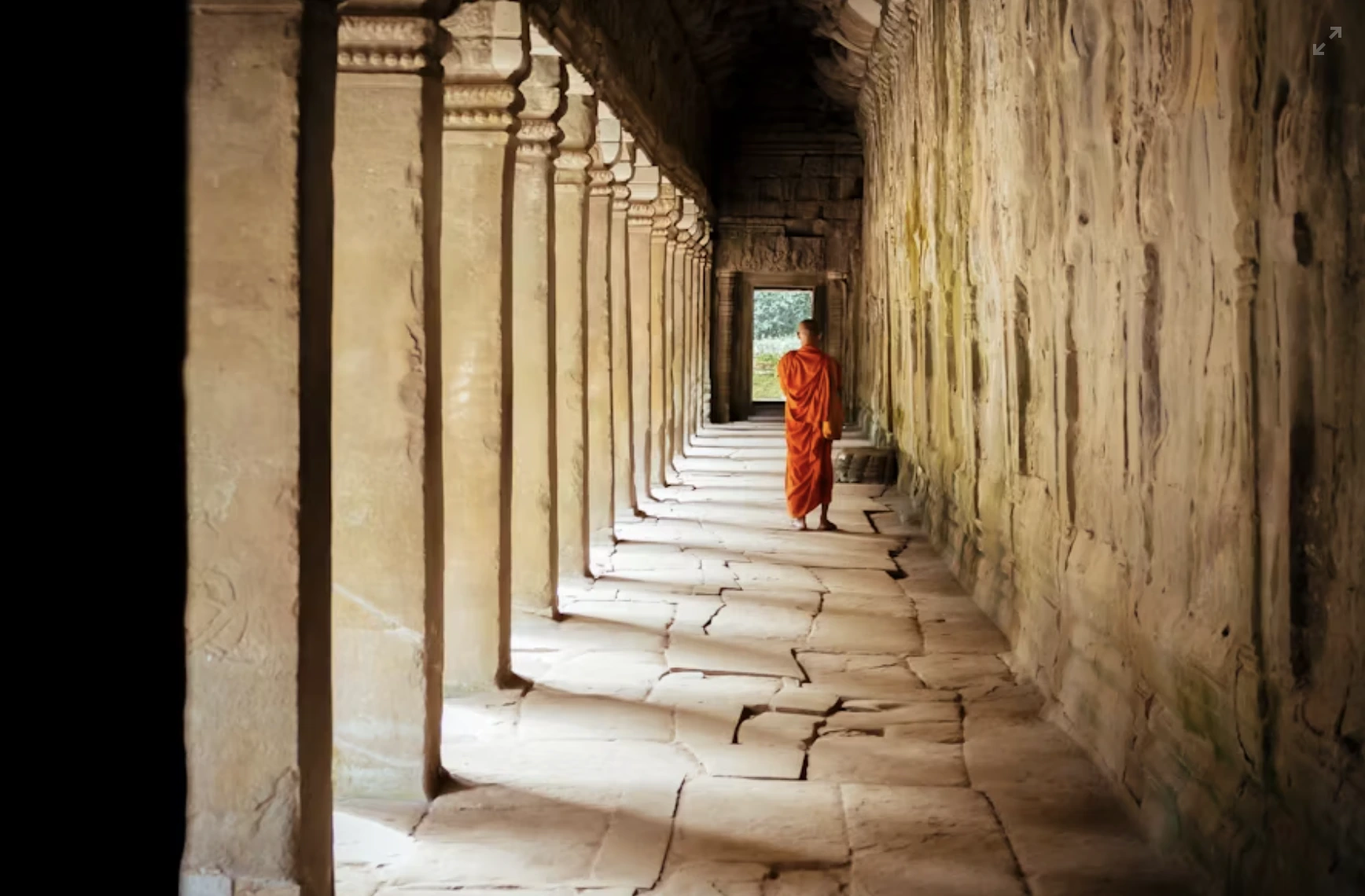
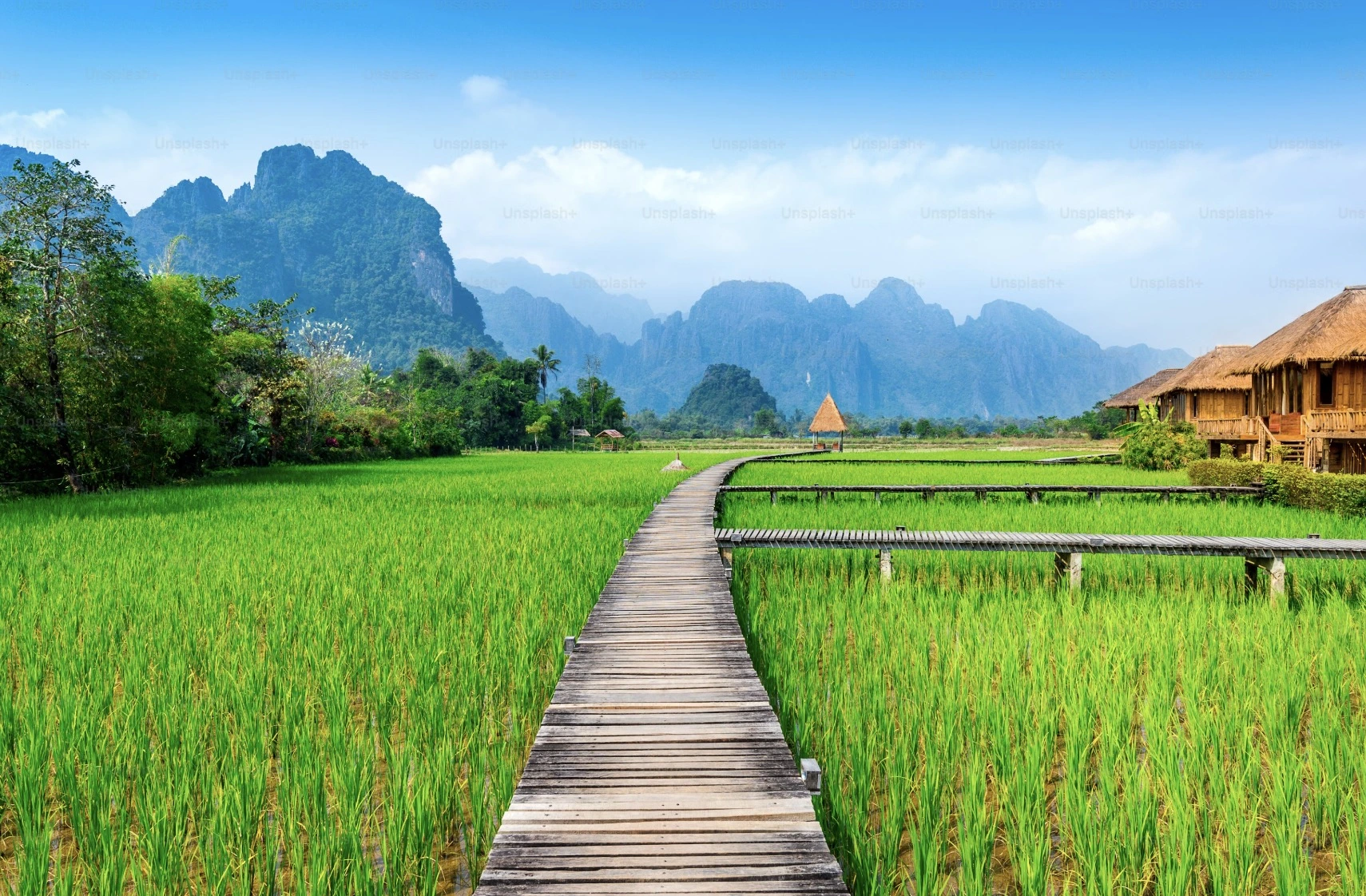
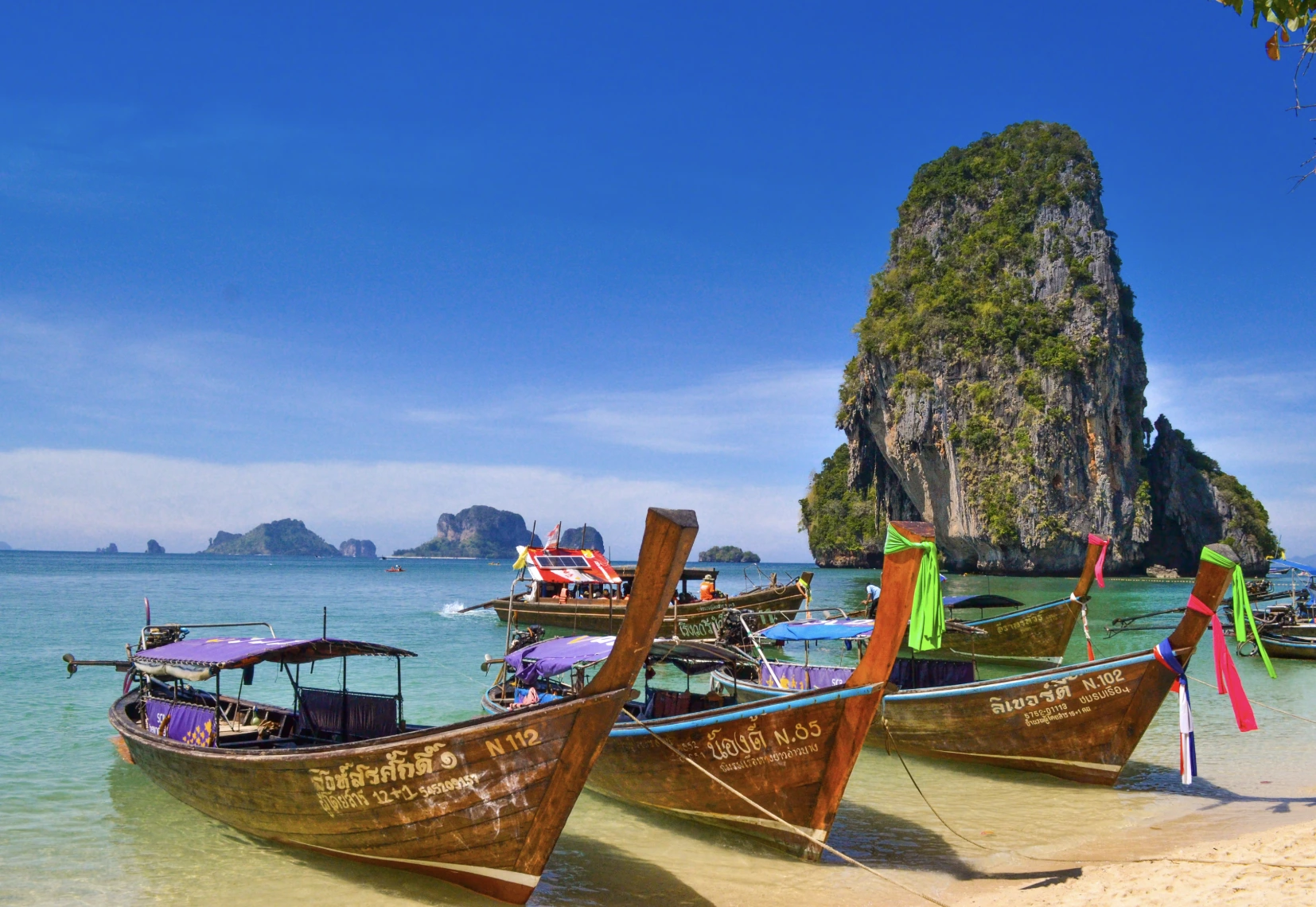
An exciting river cruise can take you from the Mekong Delta to Siem Reap to see Angkor Wat. The vibrant cities and beautiful beaches of Thailand are only a short flight away, and the relaxed pace and natural landscapes of Laos are a great extension to the experience of Vietnam.


How much does a Vietnam trip cost?
Vietnam is known as an affordable travel destination. It’s not expensive to visit Vietnam. Mid-range tours cost an average of 50-80 USD per day.
At that price, you can stay at a comfortable 3-star hotel close to tourist areas and enjoy all the popular attractions. Food costs for street food and small local eateries aren’t expensive, and it’s some of the best food in the country.
First-time travelers should also budget for small extras that are easy to forget, such as airport transfers, tips, laundry, coffee stops, bottled water, optional shows, and short ride-hailing trips. These costs are not high, but they make daily travel more comfortable.
Luxury Vietnam tour travel costs around 150-300 USD per day. This includes staying at 5-star hotels and using private transportation around the city.
Street food is not to be missed, but luxury travel can include Vietnam’s fine dining options and upscale bars in places like Hanoi and Ho Chi Minh City.
Can a Vietnam itinerary be customized for families, seniors, or couples?
Definitely. Vietnam’s wide range of attractions can be tailored to different travel needs. A Vietnam family tour can include private vehicles to make getting from place to place easier. Shorter travel days with interactive experiences like cooking classes or boat trips are perfect for keeping young ones engaged.
Vietnam tours for seniors often work best with a slower pace, comfortable transportation, and carefully selected accommodations. For couples, Vietnam honeymoon tours can focus on romantic settings such as beach resorts, scenic cruises, or boutique hotels in historic towns.
Is street food in Vietnam safe for tourists?
Street food is not just safe, but is a big highlight of the travel experience. A few simple guidelines will help you find the best Vietnamese food to eat.
The key is to choose busy stalls with high turnover, where food is freshly prepared. Street food stalls and small local eateries with limited menus will have the freshest ingredients.
Look for clean cooking areas and avoid anything that appears to have been sitting out too long. Stick to bottled water, and avoid ice cubes.
A good local rule is to eat where many local people are eating, especially during normal meal times. For first-time visitors, cooked-to-order dishes such as pho, bun cha, banh mi, cao lau, and fresh seafood are usually easier choices than raw or unfamiliar items. If you have a sensitive stomach, start slowly on the first day instead of trying everything at once.
 Busy local stalls and freshly cooked dishes are often the best way to enjoy Vietnam’s famous street food safely.
What kind of local support do you get during a Vietnam trip?
On private and small-group tours with Indochina Tour, operated by Asia Exclusive Tours, you have access to a local guide, driver, and reliable vehicle. Our professional travel consultants are on hand 24/7 for additional support should any unexpected issues arise.
In the unlikely event of flight delays, weather issues, or health concerns, we’ll be right there with you to help find the best solution.
This support is especially helpful in Vietnam because travel plans often involve several cities, domestic flights, boat trips, countryside transfers, and different local conditions.
Having a local team check timing, road conditions, and hotel details can prevent small problems from affecting the whole trip.
Even independent travelers can find a lot of support through hotels and local tour operators. Vietnamese people are also very welcoming to visitors, and getting directions, advice, and recommendations can be very easy.
 Local guides, drivers, and travel consultants help make a private Vietnam trip smoother from arrival to departure.
Where should first-time visitors stay in Vietnam?
Choosing a Vietnam resort in the right location will enhance your experience. In Hanoi, staying in or near the Old Quarter provides easy access to attractions. In Ho Chi Minh City, District 1 is the most convenient area.
Hoi An offers charming boutique hotels close to the historic center, while beach destinations like Da Nang and Phu Quoc feature a range of resorts. Vietnam’s hospitality industry is well-developed, offering options from budget hostels to luxury hotels.
Location matters more than hotel star rating for many first-time visitors. In Hanoi and Ho Chi Minh City, a well-located 4-star hotel can be more useful than a larger hotel far from the main sights.
In Hoi An, choose carefully between the Ancient Town, the riverside area, and the beach. Each gives a very different travel feeling.
 Choosing the right hotel location can make sightseeing, dining, and daily travel much easier for first-time visitors.
How much cash do you need in Vietnam?
Daily costs are generally low in Vietnam, so a little Vietnam currency in your wallet can go a long way. A bottle of water usually costs around 5,000-10,000 VND or 0.2-0.4 USD, an average cup of coffee is 1.2 USD, and street food costs 2-3 USD per person. Average taxi fares in a city like Hanoi are around 2-4 USD.
Vietnamese dong is the official currency in Vietnam, so small local payments are usually easiest in VND. Try to keep smaller notes for markets, taxis, street food, and tips. Large notes can be inconvenient for small purchases.
Credit cards and payment apps can be used at large businesses, but you’ll need local currency for smaller transactions, and it’s best not to carry too much cash around at one time.
US dollars and other major currencies can easily be exchanged at banks in major cities. Carrying 50-100 USD worth of Vietnamese dong will cover almost everything you need.
What are the Vietnam travel do’s and don’ts?
A few simple Vietnam travel tips can make your trip smoother and more respectful.
Do learn some basic phrases in the local language. People will react very warmly to even a little effort.
Do try the street food. It is the best way to experience authentic, local flavors.
Do carry small bills in local currency for easy transactions.
Don’t overplan your schedule. Traffic can be hectic in major cities, and getting around might take more time than you expect.
Don’t forget to wear sunscreen and a hat to protect your skin and avoid heatstroke.
Don’t raise your voice or show anger in public. It is considered impolite.
Do dress modestly when visiting temples, pagodas, and local religious sites. Shoulders and knees should be covered in more traditional places.
Do ask before taking close-up photos of local people, especially in villages or markets. Don’t assume traffic will stop for you. Cross slowly and steadily, and follow your guide’s advice in busy streets
 Simple tips about clothing, markets, photos, traffic, and local customs can help visitors travel more respectfully in Vietnam.
What tourist scams should you avoid in Vietnam?
Being overcharged by taxis or at local markets is one of the most common scams. For taxis, you can use ride-hailing apps like Grab with pre-calculated fares. At local markets, you’ll have to decide for yourself what you’re willing to pay, and walk away if the price is too high.
Before booking local services, it also helps to understand a few Vietnam tourism facts, such as normal prices, common transport habits, and how tourist areas usually work. This makes it easier to notice when a price or offer feels wrong.
Always buy tickets and tour packages through reputable tour operators. Check online reviews and choose companies with a history of good service.
Keep an eye on your belongings at all times, and avoid ostentatious shows of wealth. Serious crimes are rare, but pickpockets can be a risk in crowded areas.
Be careful with unofficial taxi drivers at airports, overly friendly street approaches, and tour offers that sound much cheaper than normal. For valuable items, use the hotel safe when possible and keep your phone secure when walking near busy roads, especially in large cities.
Conclusion
Vietnam is a welcoming country for first-time visitors. From nature and history to food and culture, there is so much to discover that it is hard to go wrong. On a 10-14 day tour from north to south, you can see many of the top highlights and enjoy a rich first journey through Vietnam.
At Asia Exclusive Tours (indochinatour.com), our Vietnam tours are a simple way to start planning, with all the best advice already incorporated. Benefit from our years of experience to travel the right way, at the right time, to the best places. Tour plans can be customized for any travel experience, and help ensure you have an unforgettable trip on your first-time visit to Vietnam.
For first-time travelers, the best Vietnam trip is not only about choosing famous places. It is also about choosing the right pace, the right hotels, the right transport, and the right local support. With a well-planned private route, Vietnam becomes easier, smoother, and much more enjoyable from the moment you arrive.
Ivy
I’m Ivy. Over the past 10 years, I’ve planned private trips for more than 500 travelers, and those journeys have received 100% positive feedback.
In 2018, I traveled solo across Indochina. Since then, I’ve looked at routes differently. Some need another night. Some transfers take too much time for too little reward. And sometimes, an itinerary simply has too much packed into it.
That is the kind of detail I focus on when I write—how long to stay, which route makes sense, and what is actually worth including.
Email me about your travel idea