
Angkor Wat Tour Guide: How to Find a Licensed Guide and Avoid Scams
Angkor Wat stands as one of the world's most impressive temple complexes, but walking through without context means missing the stories carved into every wall. A licensed Angkor Wat tour guide turns stone ruins into clear history and helps you understand what you are actually seeing.
A visit to Angkor is not a relaxed stroll. Days start early. Heat builds fast. Walking distances are longer than most people expect. Crowds gather at specific hours, especially around Angkor Wat sunrise and the Bayon faces. A tour guide Angkor Wat visitors trust helps manage all of this. They guide you through the temples in a smart order and explain what deserves your time. They also help you pace the day so you do not burn out before noon.
This guide explains how Angkor Wat tour guides work in 2026. It covers licensed guides, prices, private versus group tours, transport options, tickets, scams, and realistic one to three day plans. It is written for first-time visitors, return travelers, families, and anyone planning an Angkor Wat trip who wants fewer surprises and better days on site.
 Do You Need an Angkor Wat Tour Guide?
What Angkor Wat Tour Guides Actually Do
Types of Angkor Wat Tour Guides
How to Choose the Right Angkor Wat Tour Guide
Best Time of Day and Season to Tour Angkor With a Guide
Angkor Wat Guided Tour Plans for One, Two, and Three Days
Tickets and Rules: Angkor Pass Basics
Common Angkor Wat Guide Scams And How to Avoid Them
Best Add-Ons With an Angkor Guide If You Have Extra Time
Do You Need an Angkor Wat Tour Guide?
For most visitors, Angkor Wat tour guides save time, energy, and frustration. Many travelers ask if a guide is really needed. Angkor Wat is open and well-marked. You can enter alone. The real question is how much you want to understand and how smooth you want the day to feel.
Quick Decision Table
The table below shows how different travel styles match with different guide options. It helps clarify when a guide adds real value and when a simple tour works fine.
|
Your style |
Best choice |
Why it works |
|
First-timer |
Licensed guide + driver |
Best route logic, less wasted time |
|
Budget traveler |
Small group tour |
Lower cost, simple logistics |
|
Families / seniors |
Private guide + car |
More breaks, less walking stress |
|
Photo-focused |
Sunrise guide + smart timing |
Best light and fewer crowds |
|
History lovers |
Full-day private guide |
Deeper context, better pacing |
Each option still benefits from a licensed Angkor Wat tour guide who knows the site well. Even short explanations at key temples add clarity that signs and maps do not provide.
One Simple Rule
If you only have one day at Angkor, booking an Angkor Wat tour guide is strongly recommended. With limited time, route order matters. A guide helps you avoid backtracking, heat exposure, and peak crowds. Without guidance, many first-time visitors waste hours moving between temples inefficiently.
If you have two or three days, a guide still adds value. A licensed guide helps avoid repetition and balances busy temples with quieter ones. Smart pacing turns a rushed Angkor Wat trip into a comfortable experience, especially when planning an Angkor Wat tour around your real pace.

Angkor Wat is massive, and a good guide helps the day feel easier.
What Angkor Wat Tour Guides Actually Do
There is confusion about what guides handle and what they do not. Knowing this early prevents disappointment and hidden costs. Angkor Wat tour guides focus on the temple experience itself, not on every part of logistics unless clearly agreed.
What a Good Guide Adds
A good guide tells stories that make the carvings and architecture meaningful without turning the tour into a history lecture. They explain who built each temple, what the bas-reliefs depict, and why certain design elements matter. You get context that turns stone walls into understandable narratives.
Crowd and heat planning separates great guides from average ones. They know which temples fill up first, when to take shade breaks, and how to order your route so you hit popular spots during calmer windows. This planning keeps you comfortable and lets you enjoy temples without fighting through tour bus groups.
Photography support is another benefit. An experienced Angkor Wat tour guide knows where light falls best and when certain areas empty out. Small adjustments in timing lead to calmer photos and better angles. The overall flow between temples feels smoother, especially for first-time visitors.
What Guides Do Not Do
Licensed guides focus on the temple experience. They usually do not provide vehicles unless booked as part of a package. Transport is handled by a driver, tuk-tuk, or tour company. Understanding this avoids confusion and hidden costs.
Some travelers assume every guide includes transport and tickets. That is not always true. Clear roles help you plan better and compare Angkor Wat tour planning options accurately.
Guide vs Driver vs Tour Company
Many visitors mix these roles. The table below clarifies who does what, so expectations stay clear.
|
Role |
Best for |
What they handle |
What they don't |
|
Licensed guide |
Temple experience |
Explanation + route planning |
Transport/vehicle (usually) |
|
Driver (car/van) |
Comfort + transfers |
Pick-up, timing, AC comfort |
Deep temple explanations |
|
Tuk-tuk driver |
Classic local feel |
Short temple transfers |
Guiding license/explanations |
|
Tour company |
Full package |
All coordination and logistics |
Less flexibility in group tours |
Most travelers need both a licensed guide and a driver. The guide handles temple explanations and route planning. The driver provides transport between sites. Some guides work with regular drivers, while others expect you to arrange transport separately. Tour companies bundle everything together but lock you into fixed schedules with larger groups.

Short explanations make the carvings and stories feel real.
Types of Angkor Wat Tour Guides
Not all guides offer the same experience. Knowing the main types helps you choose the right match for your pace, group size, and interests.
Licensed local guide (best for most travelers)
Licensed guides carry official badges from the Apsara Authority and complete government training on Angkor's history, architecture, and regulations. They know the temple complex inside out, understand crowd patterns, and follow ethical practices around pricing and shop stops.
Unlicensed guides offer cheaper rates but lack proper training and often push commission-based detours that waste your time. A licensed guide matters most on your first day when you're learning the layout and need solid route planning. Sunrise visits benefit from guides who know backup spots if the main viewing area gets packed.
Big temples like Angkor Wat, Bayon, and Ta Prohm have complex layouts where a guide prevents you from missing key galleries or spending too much time in less interesting sections. Basic facts of Angkor Wat also become easier to understand when someone explains them on site.
Private vs group tours
|
Option |
Best for |
Pros |
Cons |
Typical pace |
|
Private guide |
Couples, families, seniors |
Flexible timing, calmer experience, personalized route |
Higher cost ($60-100+ per day) |
Your pace, with breaks when needed |
|
Group tour |
Budget travelers, solo travelers |
Affordable ($25-40 per person), simple logistics, meet other travelers |
Less flexible, fixed schedule, larger crowds |
Fixed pace, moves on a set timeline |
Private guides let you linger at temples you love, skip ones that don't interest you, and take breaks when heat gets overwhelming. The start time, route order, and temple rhythm stay flexible, which is the biggest advantage of an Angkor Wat private tour .
Group tours follow predetermined routes with fixed timing at each temple. You can't change the schedule or skip stops, and you move at the group's pace regardless of your energy level. The trade-off comes in significantly lower cost and zero planning stress since everything gets handled for you.

The private guide from Indochina Tour team keeps the pace flexible and makes the visit feel calmer.
Language options
Confirm the actual language level you want instead of accepting vague "English available" promises. Some guides speak basic tourist English that covers simple facts but struggle with detailed historical questions or complex conversations. Others handle fluent discussions about Khmer history, religious symbolism, and architectural techniques.
Ask for a 30-second sample explanation through message or a short phone call before booking. Listen for clarity, vocabulary range, and how well they explain concepts. A guide who rambles or uses unclear phrasing during a sample will frustrate you during a full day of touring.
Special guide styles
Some guides focus on photography. Others specialize in detailed temple history. Some adapt well to families with children. Matching guide style to your Angkor Wat trip goals improves satisfaction more than choosing the lowest price.
How to Choose the Right Angkor Wat Tour Guide
What a Good Guide Looks Like Before You Book
A good Angkor Wat tour guide communicates clearly from the start. They explain the route in simple terms and talk about timing, heat, and crowds. They mention breaks without being asked. This shows experience. They do not promise to see everything in one day. Instead, they explain what is realistic for your pace.
Clear planning matters more than long temple lists. A strong guide explains why certain temples come first and why others wait until later. They talk about shade, walking distance, and stairs. This is especially important for families, seniors, and travelers visiting Angkor Wat for the first time.

A guide helps you find calmer corners for photos at busy temples.
Smart Questions to Ask Before Booking
Asking the right questions reveals guide quality fast. The table below shows how answers usually differ between professional guides and risky options.
|
Question |
Good answer looks like |
Red flag |
|
What route do you suggest for my time? |
Explains crowd and heat flow |
Only lists temples |
|
How do you handle sunrise crowds? |
Mentions early entry and backup |
No clear plan |
|
How much walking and stairs? |
Gives a realistic range |
Avoids details |
|
What is included in the price? |
Clear list in writing |
Vague extras |
|
Can we avoid shop stops? |
Yes unless you request |
Pushy stops |
These questions apply to private bookings and Angkor Wat tours sold online. They also help filter out unlicensed operators posing as tour guide Angkor Wat services.
How to Verify a Licensed Angkor Wat Tour Guide
Licensing matters at Angkor. A licensed Angkor Wat tour guide carries an official badge issued by local authorities. The badge should be visible during the tour. Refusal to show it is a warning sign.
Price clarity matters just as much. Professional guides confirm prices in writing and explain what is included. They outline hours, route blocks, and any overtime rules. Clear boundaries between guide and driver prevent surprise charges.
|
Check item |
What good looks like |
Red flag |
|
License badge |
Visible and current |
Won’t show |
|
Price confirmation |
Written total |
Changes later |
|
Route outline |
Timing blocks |
No structure |
|
Role clarity |
Guide and driver separated |
Hidden costs |
|
Cancellation terms |
Simple and fair |
Pressure payment |
Following this checklist protects your Angkor Wat trip and helps avoid common scams.
Cost drivers
Private versus group makes the biggest price difference. Private guides charge per day regardless of group size, while group tours split costs among participants. Hours matter since half-day tours cost 40–50% less than full-day options but cover fewer temples with rushed pacing.
Language affects pricing when you need specialized guides who speak less common languages like Spanish, German, or Japanese. English and French guides stay more affordable since supply stays higher.
Season influences rates slightly, with November through February seeing 10–20% premiums during peak tourist months. Transport type changes your total cost since tuk-tuks run cheaper than air-conditioned cars, though comfort suffers in the heat.
Price range table
|
Service |
Typical range |
Notes |
|
Half-day private guide |
$35–50 |
Best for highlights only, 4 hours |
|
Full-day private guide |
$60–100 |
Best for first-timers, 8–10 hours |
|
2–3 day private guide |
$150–250 |
Best depth + flexible pacing |
|
Small group tour (per person) |
$25–40 |
Cheapest option, fixed schedule |
NOTE: Angkor Pass prices and rules can change. Treat the figures in this guide as a planning reference, not a guarantee. Before you tour, confirm the current pass types and pricing through the official Angkor ticket office information, or check again when you arrive in Siem Reap.
What's included (and what is not)
|
Item |
Usually included? |
Notes |
|
Guide fee |
Yes |
Confirm exact hours covered |
|
Transport (tuk-tuk/car/van) |
Sometimes |
Often quoted separately, $15–35 per day |
|
Angkor Pass |
No |
You buy this separately, $37–62 |
|
Meals |
No |
Guide eats separately unless you invite them |
|
Sunrise start |
Yes (if booked) |
Confirm pick-up time, usually 4:30–5am |
|
Tips |
No |
Optional but common practice |
Many guides quote their fee separately from transport costs. Ask for a total price breakdown that includes both guide services and vehicle charges. Some guides work with regular drivers and bundle the costs, while others expect you to arrange transport yourself or split driver fees.
Angkor Pass tickets must be purchased directly from the official ticket office and cannot be included in guide packages. One-day passes cost $37, three-day passes run $62, and seven-day passes hit $72. Guards check passes at every major temple entrance.
Tips and tipping etiquette
Tipping makes sense when your guide provides excellent service, handles unexpected problems smoothly, and goes beyond basic explanations. Standard tips run $5–10 per person for half-day tours and $10–20 per person for full-day experiences. Groups of four or more typically tip $20–40 total for a full day.
Tip at the end of your final day if you're using the same guide for multiple days. Hand cash directly to your guide rather than including it in the initial payment. Drivers also appreciate tips of $3–5 per day if they provided good service with punctual pick-ups and comfortable rides. Tipping stays optional, but guides and drivers rely on tips as significant income supplements beyond their base fees.

6 Days Best of Cambodia Tour Package
Best Time of Day and Season to Tour Angkor With a Guide
Sunrise visits
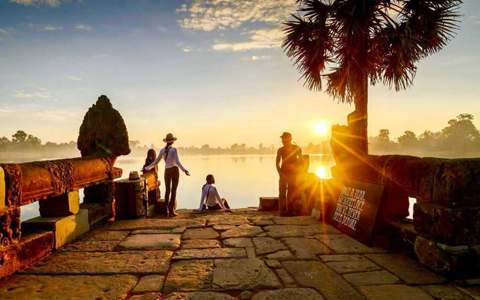
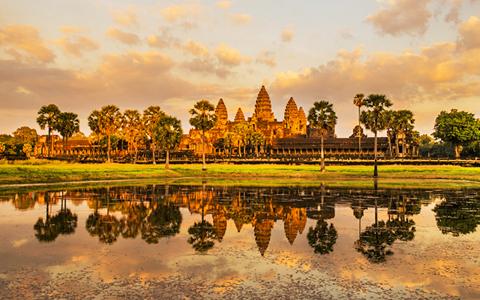
Sunrise at Angkor Wat draws massive crowds to the main reflecting pools, but it’s worth the early start when the plan is smart and backup spots are ready. The best guides arrive early enough to claim good positions or lead you to side viewpoints with fewer people. For timing ideas and realistic expectations, Angkor Wat sunrise details help a lot.

Sunrise is beautiful, and good timing keeps it calmer.
Midday strategy
Midday from 11am to 2pm brings brutal heat that makes temple exploration exhausting. Use this window for shaded galleries inside larger temples, air-conditioned lunch breaks, or returning to your hotel for pool time. Good guides plan routes that hit open-air temples early and save covered areas for midday when you need relief from the sun.
Afternoon touring
Afternoon touring from 3pm onward offers calmer light, fewer tour buses, and easier pacing as temperatures drop slightly. Golden-hour photos can look amazing, especially when mixing in Angkor Wat sunset tours instead of pushing a packed morning-only schedule.
Rainy season reality
Rainy months from May through October still allow temple touring, but you need flexibility for sudden downpours and muddy conditions. Rain usually hits in short afternoon bursts rather than all-day storms. Bring waterproof bags for cameras, wear shoes with good grip, and accept that some outdoor areas become slippery. Guides adjust routes when heavy rain strikes, focusing on covered galleries and temples with better drainage.
Season guide
|
Period |
What it feels like |
Best tour style |
One tip |
|
Nov–Feb (peak) |
Cool mornings, warm days, dry |
Full-day tours, sunrise works well |
Book guides 2–3 weeks ahead |
|
Mar–May (hot) |
Very hot, 35–40°C, dry |
Early starts, midday hotel breaks |
Carry extra water, avoid midday temples |
|
Jun–Oct (wet) |
Hot, humid, afternoon rain |
Flexible timing, covered temples |
Morning tours beat afternoon storms |
Angkor Wat Guided Tour Plans for One, Two, and Three Days
Angkor is vast. Seeing everything is not realistic, even across several days. The goal of a good plan is balance. Angkor Wat tour guides focus on route logic, not volume. A smart plan reduces walking, avoids repeating temple styles, and matches energy levels across the day.
Quick plan picker
|
Your time |
Plan |
Why it works |
|
1 day |
Sunrise + core temples |
Best first taste, hits main highlights |
|
2 days |
Highlights + quiet day |
Less rushed, better photos, more variety |
|
3 days |
Classic + outlying + flexible |
Best depth, avoids temple fatigue |
Picking the right number of days is often the biggest comfort upgrade. A quick read on how many days for an Angkor Wat tour makes the decision easier.
1-Day guided route (first-timer highlights)
Sunrise block at Angkor Wat starts at 5am when you arrive in darkness and watch the sun rise behind the iconic towers. Your guide positions you at the best viewing spot, then leads you inside once crowds thin slightly. You explore the main galleries, climb to upper terraces if open, and photograph the famous bas-reliefs before the heat builds.
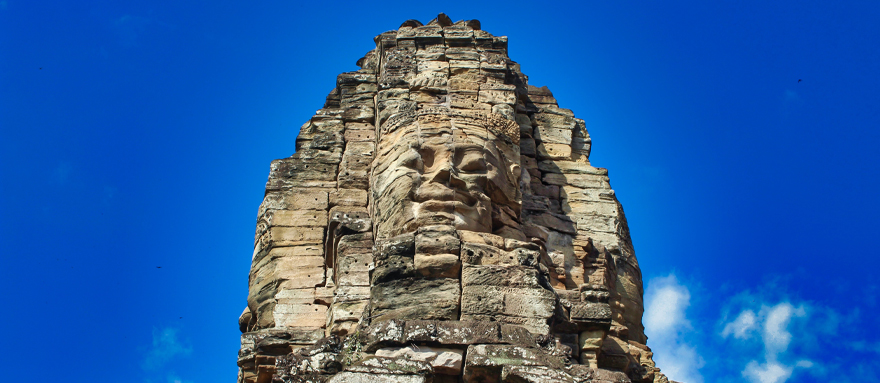
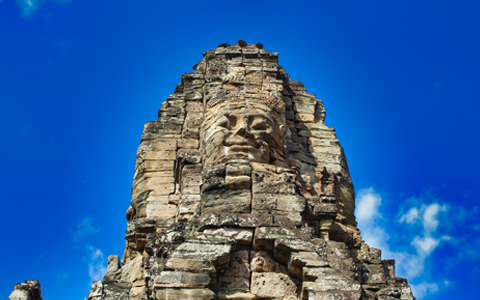
Morning at Angkor Thom focuses on Bayon temple with its giant stone faces and the nearby Terrace of Elephants. Your guide explains the difference between Angkor Wat and Angkor Thom, shows you the best face towers for photos, and walks you through the intricate bas-reliefs depicting daily Khmer life and battle scenes.
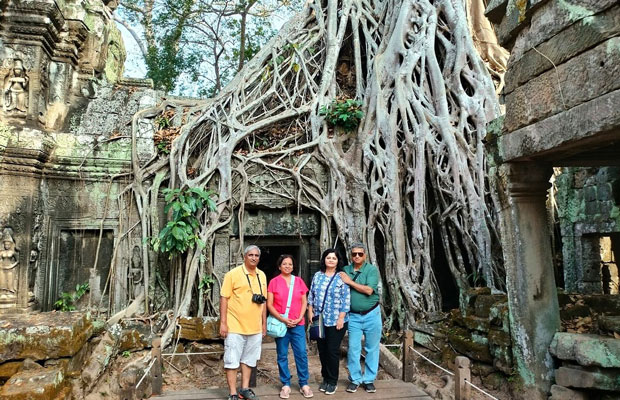
Late morning at Ta Prohm brings you to the famous tree-root temple where massive strangler figs wrap around ancient stone. This temple gets packed by 10am, so timing matters. Your guide finds quieter corners, explains how the trees both destroy and preserve the ruins, and points out the most photogenic spots before the tour bus rush.
Midday break saves you from the worst heat between 11:30am and 2pm. Most guides stop at air-conditioned restaurants near the temples or offer to take you back to your hotel for a pool break and lunch. This rest prevents heat exhaustion and gives you energy for afternoon exploration.
Late afternoon visits one calmer temple like Preah Khan or Ta Keo, then positions you for sunset at Phnom Bakheng or Pre Rup. Sunset spots get crowded, so your guide either arrives early to claim space or suggests lesser-known alternatives with better views and fewer people.
2-Day route (better pacing)
Day 1 follows the classic sunrise and core temples route but with more relaxed timing. You spend extra time at each major site, take more photo breaks, and don't rush through galleries. The pace stays comfortable without the pressure of cramming everything into one exhausting day.
Day 2 shifts to quieter temples that most one-day visitors skip. Banteay Srei offers incredible detailed carvings an hour north of the main complex. Preah Khan and Ta Som provide beautiful ruins with far fewer crowds. Your guide plans slower photo stops, explains architectural evolution across different periods, and includes flexible time for temples that catch your interest.
3-Day route (depth without repetition)
Day 1 covers core temples with solid explanations and good pacing. You learn the basics of Khmer architecture, religious symbolism, and temple layout without information overload.
Day 2 explores outlying temples like Banteay Srei, Beng Mealea, or the Roluos Group. These sites sit farther from the main complex and see minimal crowds. Beng Mealea delivers an adventure vibe with largely unrestored ruins you can climb through. Your guide provides historical context about how these temples relate to the main Angkor complex.
Day 3 adds personalized stops based on your interests. Photography enthusiasts revisit favorite temples during better light. History lovers explore smaller sites with unique features. Families might mix in a floating village visit or local market tour. This flexibility prevents temple fatigue while maximizing your remaining time.
Easy Swaps for Different Travel Styles
Families benefit from later starts and fewer temples. Guides reduce stairs and add shade breaks. Couples often prefer sunrise and sunset with quieter routes between. Seniors usually choose a private guide with a car, fewer steps, and more rest stops.
A good Angkor Wat tour guide adjusts without drama. These swaps are part of professional planning, not special favors.

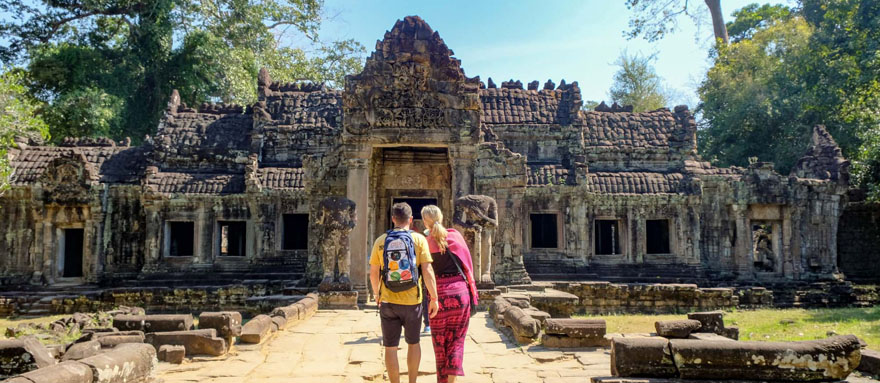
Two days gives more time for the temples beyond the main highlights.
Tickets and Rules: Angkor Pass Basics
Angkor Pass Types and How They Work
Every Angkor Wat trip requires an Angkor Pass. The pass is checked frequently at major temples and sometimes between sites. Passes come in one-day, three-day, and seven-day options. A “day” counts as a calendar day, not a rolling 24 hours. This matters when planning sunrise visits.
For a quick “what to wear” checklist, Angkor Wat dress code is the easiest reference before the morning starts.
A licensed Angkor Wat tour guide helps you choose the right pass based on your plan. One-day passes suit tight schedules. Three-day passes work best for most travelers because they allow better pacing and rest. Seven-day passes suit slow travel or repeat visits.
Pass Rules Travelers Often Miss
Passes must be carried at all times. Losing it can end your Angkor Wat trip early. Photos are taken when the pass is issued, so sharing is not allowed. Dress rules apply at all temples. Shoulders and knees need to be covered. Guides often carry spare scarves, but relying on that is risky.
The table below shows which pass fits different trip lengths.
|
Pass |
Best for |
One tip |
|
1-day ($37) |
Quick visit, highlights only, limited time |
Start at sunrise to maximize hours |
|
3-day ($62) |
First-timers, balanced pacing, core + outlying temples |
Use within 10 days, take rest days |
|
7-day ($72) |
Temple enthusiasts, photographers, repeat visitors |
Best value per day, explore deeply |

Covered shoulders and knees help entry feel smooth and stress-free.
Getting Around Angkor Wat
Tuk-tuk transport
Tuk-tuks offer the classic Angkor experience with open-air views and direct contact with the landscape. You feel the breeze, smell the jungle, and get unobstructed photo opportunities during transfers.
Knowing where each temple sits also helps reduce wasted time, especially when checking Angkor Wat on map before building the route order.
Tuk-tuk drivers charge $15–20 per day and know all the temple routes. The downside hits hard during midday heat when you're exposed to scorching sun and dust clouds from passing vehicles. Rain turns tuk-tuk rides miserable with limited weather protection.
Private car comfort
Air-conditioned cars cost $30–35 per day but deliver significantly more comfort for families, seniors, and anyone sensitive to heat. You stay cool between temples, protect camera equipment from dust, and arrive at each site feeling fresh instead of sweaty and exhausted.
Cars handle rain perfectly and provide secure storage for bags and valuables. The enclosed space means you miss some of the open-air atmosphere, but comfort usually wins over authenticity when temperatures hit 35°C.
E-bike option
E-bikes work only if you're physically fit, comfortable cycling in heat, and visiting during cooler months from November through February. Distances between temples range from 1–10 kilometers, and roads stay relatively flat but exposed to sun.
E-bikes cost $10–15 per day and give you complete freedom to explore at your own pace. You'll struggle during hot season from March through May, and wet season rain makes cycling dangerous on slippery roads. Most travelers overestimate their cycling tolerance in tropical heat.
Accessibility and mobility
Angkor involves steep stairs, uneven stone steps, narrow passages, and long walks between sections. Some temples have high climbs and worn stair edges that get slick in rain or early morning dew. Heat can also become a safety issue, not just a comfort issue, especially from late morning through mid-afternoon.
If anyone in your group has knee issues, limited mobility, or struggles with heat, choose a private guide and an air-conditioned car, reduce the number of temples, and build longer breaks into the route. A good guide will suggest lower-stair options, shaded routes, and calmer temples without making the day feel “less.”
Transport comparison
|
Transport |
Best for |
Pros |
Cons |
Tip |
|
Tuk-tuk |
Budget travelers, mild weather, classic experience |
Cheap, atmospheric, photo-friendly |
Heat exposure, dust, no rain cover |
Bring sunscreen and scarf for dust |
|
Car |
Families, seniors, hot season, comfort priority |
AC, weather protection, secure storage |
Higher cost, less atmospheric |
Worth the extra money in March-May |
|
E-bike |
Fit cyclists, cool season, independent explorers |
Freedom, cheap, good exercise |
Heat exhausting, limited range, rain risky |
Only Nov-Feb, carry lots of water |

Tuk-tuks feel local, while cars are much easier in strong heat.
Common Angkor Wat Guide Scams And How to Avoid Them
Unlicensed guides at temple entrances
Unlicensed guides approach tourists outside major temples offering cheap rates and immediate service. They lack official badges, provide incorrect historical information, and often lead you to commission-based shops disguised as cultural stops.
Licensed guides carry visible Apsara Authority badges with photos and ID numbers you can verify. Never hire guides who approach you on the street or at temple gates.

A licensed guide shows an official badge, which helps travelers avoid scams.
Surprise extra fees
Some guides quote low initial prices then add charges for visiting temples beyond the main complex, staying past agreed hours, or accessing "special areas" that don't actually require extra payment.
Banteay Srei and Beng Mealea sit farther out but shouldn't trigger sudden fee increases if discussed upfront. Get all costs in writing before your tour starts, including what happens if you go overtime or add temples during the day.
Forced shop stops
Unethical guides push visits to silk shops, stone carving workshops, or handicraft stores where they earn commissions on anything you buy. These stops waste 30–60 minutes of your limited temple time and create uncomfortable pressure to purchase.
Good guides ask if you want to visit shops and respect "no" answers immediately. Specify during booking that you don't want any shop stops unless you request them.
Free offer and guide-driver confusion
A common trap starts as a “free help” offer at temple entrances. Someone offers to point out a few highlights or guide you to a quiet photo spot, then quickly shifts into a paid “tour” with pressure to pay at the end. Another version is role confusion: a driver or tuk-tuk operator says they can guide too.
Drivers can be excellent at timing and transport, but guiding at Angkor requires a license. If you want history and temple explanations, book a licensed guide separately, and confirm the driver is only handling transport unless you have a written package that includes a licensed guide by name.
Simple agreement checklist
Before starting your tour, confirm these details in writing through message or email:
Start time: Exact pick-up time and location
Hours: Total touring hours included (half-day = 4 hours, full-day = 8–10 hours)
Route: Specific temples you'll visit in order
Inclusions: What's covered (guide fee, transport, water) and what's separate (pass, meals)
Overtime price: Cost per additional hour if you extend beyond agreed time
Get your guide's full name, phone number, and license number. Confirm cancellation policies and refund terms if weather or emergencies force changes.
Pay the agreed amount only—resist pressure for upfront tips or unexplained fees. A professional guide provides clear pricing without surprise charges or last-minute changes that benefit them at your expense.
Best Add-Ons With an Angkor Guide If You Have Extra Time
Banteay Srei
Banteay Srei sits about 25 kilometers north of the main temple complex and showcases the finest stone carvings in all of Angkor. The pink sandstone holds incredibly detailed relief work that looks almost three-dimensional.
Built on a smaller scale than major temples, Banteay Srei feels intimate and manageable after touring massive sites like Angkor Wat. Most guides combine this with other northern temples to justify the longer drive.

A guide helps you notice the fine carvings that most visitors would miss.
Beng Mealea
Beng Mealea delivers the jungle adventure experience with largely unrestored ruins you can climb over and explore. Massive tree roots wrap around collapsed galleries, and broken towers create a Indiana Jones atmosphere that photogenic ruins-lovers crave.
The temple sits about 65 kilometers east of Siem Reap, making it a half-day commitment. Your guide helps you find the best routes through the rubble and explains which sections stay safe for climbing.
Floating village and Tonle Sap
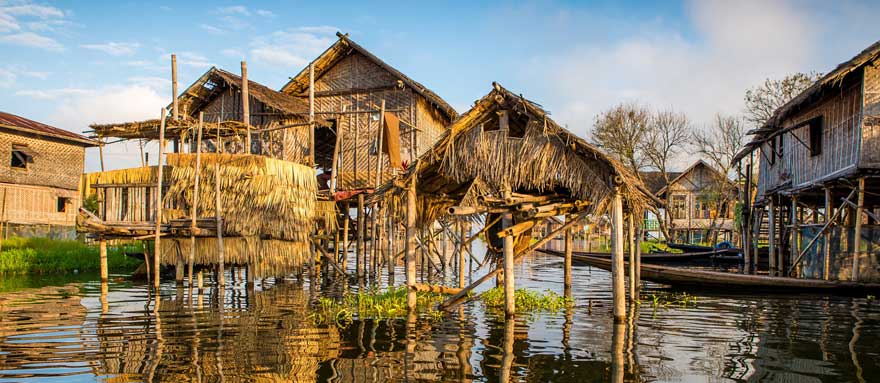
Tonle Sap floating villages show traditional Cambodian life on the water with houses, schools, and shops built on floating platforms. The experience depends heavily on season—visit during high water months from August through November for the best views.
Low water season from March through May reveals muddy banks and less impressive scenery. Kompong Phluk and Chong Kneas serve as the main village options, sitting 15–30 minutes from Siem Reap. Expect some tourist pressure and souvenir sellers.

A local guide adds context and makes the floating village visit more meaningful.
Local food stops and markets
Adding a local market visit or street food stop gives you context beyond temples. Your guide can take you to Psar Leu market for fresh produce, spices, and local snacks, or arrange stops at authentic Khmer restaurants away from tourist zones.
Morning markets work best before heat builds, and guides who know food can explain ingredients and cooking methods while you sample local dishes.
Add-on planning guide
|
Add-on |
Best for |
Time needed |
One tip |
|
Banteay Srei |
Photography, detailed carvings, art lovers |
2–3 hours round trip |
Combine with other northern temples |
|
Beng Mealea |
Adventure seekers, unique ruins, photographers |
Half day (4–5 hours) |
Wear sturdy shoes for climbing |
|
Floating village |
Cultural interest, water life, boat rides |
2–3 hours |
Visit Aug–Nov for high water |
|
Food + market |
Food lovers, cultural experience, local interaction |
1–2 hours |
Go morning for freshest produce |

Frequently Asked Questions About Angkor Wat Tours
Do I Need a Guide at Angkor Wat?
A guide is not required, but it makes a big difference for most visitors. Angkor Wat is huge, and the temples have many hidden details that are easy to miss. A good guide explains the stories behind the carvings, the meaning of the symbols, and why each temple was built the way it was. They also help you avoid crowded routes and plan the day better. For first visits, best time to visit Angkor Wat guidance often pairs well with a guided plan.
How Long Should I Spend at Angkor Wat?
Most travelers spend two or three days at Angkor, and that’s usually the best plan. One day can work if you are short on time, but it often feels rushed and tiring. Two days gives you a good balance: you can see the top temples and still move at a comfortable pace. Three days is perfect if you want slower mornings, more photo time, and extra temples beyond the main ones. Many Angkor Wat tour guides suggest two days for first-timers.
Is a Private Guide Better Than a Group Tour?
It depends on your travel style. A private guide is great if you want flexibility, a slower pace, or more photo stops. You can start early, avoid crowds, and adjust the plan anytime. Group tours are more budget-friendly and can be fun if you enjoy meeting other travelers. Families and couples often prefer private tours because the day feels easier and more personal. Solo travelers sometimes like small groups for the social vibe and lower cost.
What Should I Wear?
Wear light and breathable clothes, but make sure your shoulders and knees are covered, because Angkor is a sacred site. Loose long pants or a skirt, plus a simple top, works well. Comfortable shoes are important too, since you’ll walk a lot on uneven paths and stone steps. A hat and sunscreen help, especially near midday. If you forget, most trusted Angkor Wat tour guides will remind you before you enter, so you don’t lose time at the gate.
Can I Visit Angkor Without a Car?
Yes, you can visit Angkor without a car, but it usually feels less comfortable. Tuk-tuks are a popular option and work well for short routes, especially in cooler months. Bikes can be fun if you enjoy cycling, but the heat can be tough and distances are longer than they look. A private car is the easiest choice for full-day visits, sunrise trips, and hot weather. It also helps when you want to rest between temples.
Final Planning Tips for a Better Angkor Wat Trip
Angkor Wat is powerful on its own, but the right guide turns it into a meaningful experience. Licensed guides add context, manage crowds, and help you move through the complex with less heat and less stress. Matching guide type to your pace matters more than choosing the cheapest option.
The best Angkor Wat tours start early, plan breaks, and stay flexible. One-day visits benefit from smart routing. Two- and three-day visits reward slower pacing and quieter temples. With the right approach, Angkor feels memorable rather than exhausting.
If you want a smooth Angkor Wat trip built around your schedule, language needs, and travel style, share your dates, group size, hotel area, and pace preferences. At Indochinatour.com, we offer custom Angkor Wat tours designed around how people actually travel. Each plan starts with your timing and comfort level, not a fixed template. Licensed local guides handle routing, temple order, and crowd flow, so your days stay balanced from morning to afternoon.
Contact us to plan a personalized Angkor experience that matches your pace, avoids rushed temple hopping, and keeps the focus on what matters most to you. A clear plan and the right guide make every hour count, even on busy days.

More Related Cambodia Travel Planning Articles
Most Popular Cambodia Tour Packages
-
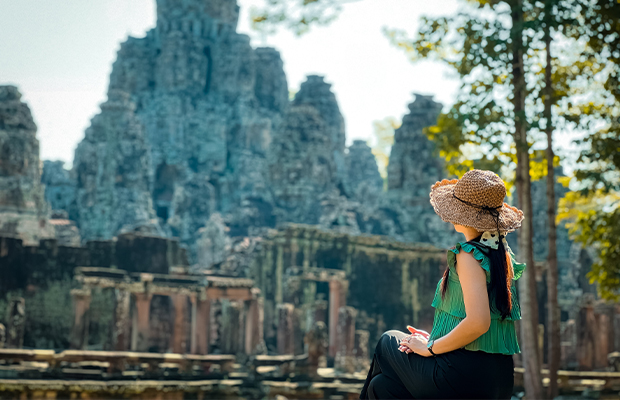
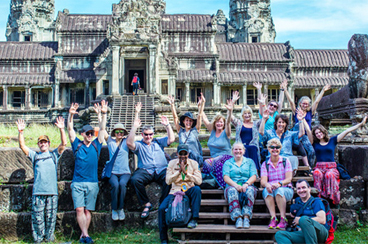 4 Days Cambodia Highlights Trip: Explore the Best of Siem Reap in Exclusive Luxury
Siem Reap
Take this 4-day trip to uncover the magic of Siem Reap, Cambodia. Join us on a journey through its essence, discovering ancie ...
-
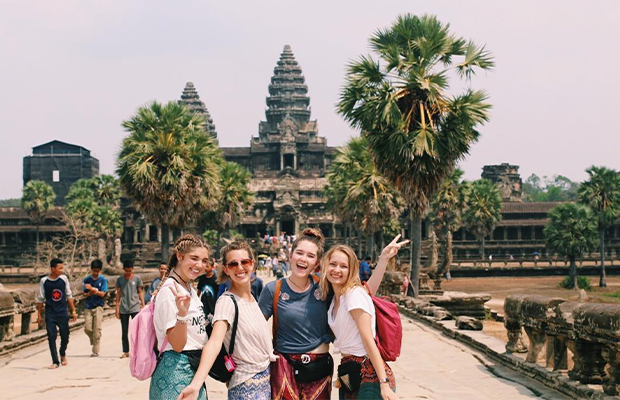
 6 Days Best of Cambodia: Our Top-Rated Tour in Private Luxury
Siem Reap - Phnom Penh
Get set for the 6-day best of Cambodia’s wonders! We’ll take you on a journey through Cambodia’s stunning ...
-
 7 Days Ultimate Cambodia: The Complete Journey with a Beach Escape
Siem Reap - Koh Rong Island
Take this 7-day adventure in Cambodia! Discover the mysteries of Siem Reap's ancient temples and relax on the paradise island ...
-

 10 Days Cambodia Panoramic Overland Tour: Ultimate & All-Inclusive
Siem Reap - Battambang - Phnom Penh - Sihanoukville - Koh Rong Island
Explore Cambodia's beauty in just 10 days with this exciting itinerary. Start in Siem Reap, home to the stunning Angkor templ ...
Ask Us A Question For Free