

What Is the Best Time to Visit Thailand? And Which Months Should You Avoid?

Srey Pov
Cambodia is my home, not simply another stop on an itinerary.
I was born in Phnom Penh, studied Hotel and Tourism Management, and have worked in tourism for 15 years. I’ve also traveled extensively through Vietnam, Laos, Thailand, and Myanmar.
My work has included private journeys as well as a multi-country trip for a group of more than 50 travelers, which received a five-star review.
When I write about Cambodia and the wider region, I bring the view of someone who lives here and has spent years planning trips on the ground—not just repeating what appears in standard destination guides.

 Email me about your travel idea
Thailand is easy to visit all year, but the month you choose changes everything. Weather affects sea conditions, crowds, prices, and how comfortable it feels to explore each region. In most years, November to February is the easiest window, with low rain and lower humidity across much of the country.
This guide shows which months to avoid and why, including April–May for extreme heat and September–October for heavier rain in some areas, especially on the Gulf Coast islands.
You’ll also learn how Thailand’s cool, hot, and rainy seasons behave, what to expect month by month, and how to match timing with beaches, cities, hiking, and festivals—so your trip feels smoother from start to finish.
 Best and Worst Time to Visit Thailand (Quick Answer)
Thailand's Climate Explained: Cool, Hot & Rainy Seasons
Best Time to Visit Thailand Overall: November to February
Cheapest Time to Visit Thailand: Hot & Rainy Seasons
Thailand Weather by Month (January–December Guide)
Best Time to Visit Thailand by Region
Best Time for Beaches, Islands, and Outdoor Activities in Thailand
Best Time for Thai Festivals & Cultural Experiences
Months You May Want to Avoid in Thailand
Best and Worst Time to Visit Thailand (Quick Answer)
For most travelers, the best time to visit Thailand is November to February. These months bring the most stable weather across the country. Rainfall stays low, humidity drops, and temperatures remain comfortable for sightseeing, beaches, and outdoor travel.
This window is also the easiest time for a first trip, especially on a classic Thailand tour that combines cities and islands. April and May bring the most challenging conditions for many visitors due to extreme heat, especially in cities and northern regions. September and October can also feel difficult in some areas because of heavy rain, particularly on Gulf Coast islands.
Some travelers still choose these periods because prices fall and crowds thin out. Comfort during these months depends on tolerance for heat, rain, and schedule flexibility. A slower route and realistic pacing usually make the difference when travelers plan a Thailand tour for warmer or wetter months.
Here is Thailand travel timing at a glance:
|
Travel Question |
Best Answer |
|
Best months to visit |
November to February |
|
Cheapest months |
March to May, June to October |
|
Months many travelers avoid |
April–May (extreme heat), September–October (heavy rain in some regions) |
|
Best time for Bangkok and Central Thailand |
November to February |
|
Best time for Northern Thailand |
November to February |
|
Best time for Gulf Coast islands |
February to September |
|
Best time for Andaman Coast islands |
November to April |
Thailand's Climate Explained: Cool, Hot & Rainy Seasons
Thailand’s climate follows three main seasonal phases. These phases influence temperature, rainfall, sea conditions, and travel comfort. Unlike temperate climates, changes are gradual rather than sudden, and conditions can vary sharply by region.
Understanding how each season behaves helps explain why certain months feel easy while others demand adjustment.
Cool Season (November to February)
The cool season delivers the most balanced travel conditions. Daytime temperatures usually range from the mid-20s to low-30s Celsius. Humidity drops noticeably, and rainfall becomes infrequent.
Northern areas experience cooler mornings and evenings, particularly in December and January, when temperatures in higher elevations can dip close to 15°C.
These conditions make movement easier. Walking between attractions feels manageable. Long sightseeing days do not require constant breaks. Outdoor activities such as temple visits, hiking, and cycling feel comfortable rather than draining.
Weather stability during this period has practical benefits. Ferry services run consistently. Domestic flights face fewer delays. Day trips and tours operate as scheduled. For travelers moving through multiple regions, this reliability reduces stress.
Peak demand is the tradeoff. Visitors arrive from colder climates during winter holidays, which drives up prices and fills popular destinations quickly. Late December and early January are the busiest.
A small detail that helps planning is the day-to-day feel in the most popular month. Thailand weather in December is usually pleasant, but prices and hotel availability can change quickly around holiday weeks.
 In winter, Bangkok feels cooler and drier, so walking between sights is much more comfortable.
Hot Season (March to May)
Hot season begins gradually in March and intensifies through April and May. Daytime temperatures often exceed 35°C, with inland and northern regions regularly climbing higher during peak weeks. April is widely considered the hottest month of the year.
Heat behaves differently across Thailand. Coastal areas benefit from sea breezes that offer some relief. Urban environments feel heavier, as concrete and traffic trap warmth throughout the day. Even after sunset, temperatures can remain high in cities.
Travel during this period requires pacing. Outdoor activities work best early in the morning or later in the evening. Midday sightseeing becomes physically demanding. Air-conditioned transport and accommodation matter far more than during other seasons.
Tourism slows as heat builds. Prices drop across flights and hotels. Attractions feel quieter. For budget-focused travelers, these savings can outweigh discomfort. For others, the constant heat becomes limiting rather than inconvenient.
Late May sometimes brings brief pre-monsoon showers. These cool the air temporarily but do not change overall conditions. Heat remains the defining feature until the rainy season fully arrives.
 During hot season, it’s smarter to sightsee early or late and rest during the midday heat.
Rainy or Monsoon Season (June to October)
The rainy season in Thailand introduces regular rainfall, though it rarely means continuous rain. In most places, showers arrive in short, intense bursts, often later in the day. Mornings frequently remain dry enough for sightseeing and travel.
Rainfall timing varies by region. The Andaman Coast receives heavier rain earlier in the season, while the Gulf Coast sees peak rainfall later in the year. This regional variation explains why some islands remain workable while others struggle at the same time.
Temperatures during monsoon months stay moderate, generally in the high-20s to low-30s Celsius. Humidity increases, which can make the air feel heavy. Sea conditions become less predictable, affecting ferry services and water activities during rough periods.
Heavy downpours can overwhelm drainage systems in older parts of cities. Traffic slows. Travel plans benefit from flexibility and buffer time. In return, landscapes turn greener, waterfalls reach full strength, and tourist numbers drop sharply. Prices reach their lowest levels of the year.
For travelers who accept occasional disruption, the monsoon season can still offer rewarding experiences.
 Monsoon season often brings short, heavy showers, but many mornings still stay travel-friendly.
Best Time to Visit Thailand Overall: November to February
When considering comfort, reliability, and activity range together, the period from November to February stands out as the easiest time to visit Thailand. Weather behaves consistently across regions. Heat stays manageable. Rainfall remains limited. Sea conditions improve on both coasts.
Travel during these months requires fewer compromises. Long days feel realistic. Multi-stop itineraries run smoothly. Outdoor activities stay enjoyable without careful scheduling.
A simple route works best for this season. Many travelers begin with a compact 7-day Thailand tour plan, then add islands or extra nature days depending on pace.
This window works especially well for travelers who want to combine cities, islands, and nature in one trip. It also suits first-time visitors to Thailand who prefer predictability over experimentation.
Why November to February Works So Consistently
During these months, daytime temperatures usually sit around the upper-20s Celsius. Heat rarely feels extreme. Evenings cool slightly, which makes walking, dining outdoors, and visiting night markets more comfortable.
Rain becomes uncommon. Many days remain dry from morning through evening. Transport schedules stay stable. Boat services and tours operate reliably, which matters for island hopping and regional travel.
Sea conditions improve, particularly along the Andaman Coast. Water clarity increases. Swimming and snorkeling become easier. Boat crossings feel smoother.
Northern Thailand benefits from cooler air. Chiang Mai and Chiang Rai feel fresher. Trekking routes remain dry. Temple visits feel comfortable throughout the day.
Bangkok also becomes easier to navigate. Walking between attractions feels possible without constant rest. Markets, river transport, and day trips operate smoothly.
The Cost of Peak Season
The main downside of traveling during these months is demand. This is Thailand’s peak season. The cost of visiting Thailand rise across accommodation, flights, and tours. Popular destinations attract large crowds, especially during late December and early January.
Advance planning reduces these issues. Early bookings improve availability. Visiting attractions earlier in the day helps avoid congestion. Staying slightly outside major tourist zones often lowers costs while improving atmosphere.
Late November and late February often provide a useful middle ground. Conditions remain strong, but crowd levels ease slightly compared to holiday peaks.
 Peak season is popular, so booking early often saves money and reduces stress.

Cheapest Time to Visit Thailand: Hot & Rainy Seasons
Thailand’s lowest travel prices appear outside the November to February window. Once peak season ends, demand drops quickly, and costs across flights, accommodation, and tours follow. These savings are real, but they come with tradeoffs that vary by month and region.
The cheapest periods fall during the hot season and the rainy season. Each offers value for different reasons. Understanding why prices fall helps determine whether the savings justify the conditions.
During the hot season, extreme temperatures reduce demand. During the rainy season, uncertainty and sea conditions play a larger role. Both periods reward travelers who adjust pace and expectations.
 Outside peak season, many hotels and flights become more affordable, especially for flexible travelers.
March to May: Heat-Driven Discounts
March marks the shift away from peak season pricing. As temperatures climb, international demand weakens. By April and May, hotel rates fall sharply, including at higher-end properties that remain expensive during winter months. Many travelers start checking Thailand weather in March at this point, because the heat builds fast even when rain is still low.
Flights also become cheaper as fewer travelers schedule long-haul trips into intense heat. Availability improves, and last-minute bookings become less risky than during peak season.
The challenge during these months is physical comfort. Midday sightseeing becomes difficult, particularly in cities and inland regions. Heat accumulates throughout the day, and recovery takes longer. Travel works best with early starts, slower pacing, and breaks during the hottest hours.
 March is still mostly dry, but the heat rises quickly during the day
Accommodation quality matters more than during other seasons. Reliable air conditioning can make the difference between restful sleep and exhaustion. Budget travelers who cut corners on cooling often find the savings come at a cost to energy and mood.
Coastal destinations handle heat better than cities. Sea breezes offer partial relief, and swimming remains comfortable throughout the day. This makes southern islands more appealing than northern cities during this period.
Late May begins to show early signs of seasonal change. Short rain showers appear in some regions, offering brief cooling without fully shifting conditions. Prices remain low, and crowds stay thin.
June to October: Rainy Season Value
The rainy season delivers the lowest prices of the year across most of Thailand. Hotels reduce rates aggressively to maintain occupancy. Luxury properties become accessible to travelers who would not consider them during peak months.
Rainfall during this season is often misunderstood. While storms can be heavy, they are usually short-lived. Many days follow a predictable rhythm, with clear mornings and rain later in the day. This pattern allows planning around weather rather than being controlled by it.
Some months also stand out more than others. Thailand in September is often the toughest point of the rainy season, with higher rain totals in many areas.
The biggest variable is location. Rain intensity and timing differ between regions. Some destinations experience frequent downpours, while others remain workable with minimal disruption. Sea conditions matter more than rainfall itself, particularly for island travel.
Fewer visitors change the atmosphere noticeably. Popular attractions feel calmer. Interactions with locals feel less transactional. Restaurants and tour operators have more availability and flexibility.
Nature also shifts during these months. Vegetation becomes denser. Waterfalls reach peak flow. National parks take on a different character, one defined by movement and sound rather than dryness.
The main cost of rainy season travel is uncertainty. Ferry schedules may change. Some island businesses reduce operations temporarily. Travelers benefit from flexible itineraries and buffer days when moving between regions.
A practical example is island timing: Phuket Thailand in June can still work well on many days, but sea conditions and short storms shape the daily plan more than temperature does.
 June in Phuket can still offer good beach time, but the weather can change quickly.
Thailand Weather by Month (January–December Guide)
Thailand’s weather shifts gradually through the year. Each month brings different conditions that affect prices, crowds, and travel comfort. This month-by-month guide helps you match timing with expectations before planning routes or bookings.
The following table shows the Thailand weather at a glance:
|
Month |
Temperature Range |
Rainfall Pattern |
Travel Notes |
|
January |
26–32°C |
Very low |
Best weather, peak crowds |
|
February |
27–33°C |
Very low |
Dry, warm, busy |
|
March |
28–35°C |
Low |
Heat builds, prices drop |
|
April |
29–38°C |
Low |
Extreme heat, festivals |
|
May |
28–36°C |
Increasing |
Hot with early rains |
|
June |
27–34°C |
Moderate |
Rainy season begins |
|
July |
27–33°C |
Moderate to heavy |
Predictable rain |
|
August |
27–33°C |
Moderate to heavy |
Lowest prices |
|
September |
26–32°C |
Heavy |
Wettest month |
|
October |
26–32°C |
Heavy (Gulf Coast) |
Mixed regional weather |
|
November |
26–31°C |
Decreasing |
Transition month |
|
December |
26–31°C |
Very low |
Peak season returns |
January
January offers some of the best weather of the year. Temperatures stay warm without feeling heavy. Rainfall remains rare across the country. Conditions suit beaches, cities, and outdoor activities equally well. Tourist numbers stay high, so accommodation fills quickly.
February
February remains dry and comfortable. Temperatures rise slightly as the month progresses. Heat stays manageable in most regions. Crowds remain strong, especially in popular destinations. This month works well for almost any itinerary.
March
March signals the start of hot season. Daytime temperatures climb quickly. Northern and central areas begin to feel uncomfortable during midday hours. Rain remains limited. Prices start dropping as some travelers leave for cooler destinations.
April
April is Thailand’s hottest month. Temperatures often reach 38°C or higher. Cities feel especially intense during the afternoon. Coastal areas provide better relief. Songkran takes place this month and brings major crowds despite the heat. Travel feels challenging outside early mornings and evenings.
May
May stays hot but begins to change. Early monsoon showers appear, especially in the south. Rain offers brief cooling but does not reduce overall heat. The Andaman Coast starts seeing more frequent showers. Prices remain low, and crowds stay thin.
June
June marks the official start of rainy season. Afternoon showers become more common. Mornings often stay dry. Temperatures moderate slightly compared to hot season. Tourist numbers drop further, and deals become easier to find.
July
July brings consistent rain patterns. Showers may last longer than in June. Some days stay overcast. Sea conditions vary by location. Inland travel remains manageable with planning. Prices stay low, and crowds remain light.
August
August continues the rainy pattern. Rainfall stays frequent but predictable. Many travelers find this month workable with flexible schedules. Prices reach their lowest point. Popular areas feel quiet, even during peak hours.
September
September is often the wettest month. Rainfall peaks in many regions. The Andaman Coast sees heavy and persistent rain. Rough seas affect ferry routes. Some islands become harder to access. Travel remains possible but requires patience.
October
October brings mixed conditions. The Gulf Coast experiences its heaviest rain. Koh Samui and nearby islands face frequent storms. Flooding can affect low-lying areas. The Andaman Coast begins to improve toward the end of the month. Travelers who want a clearer picture of timing and regional differences often look at Thailand in October before finalizing routes
November
November marks the shift toward dry season. Rainfall drops noticeably. Humidity decreases. Weather becomes more stable. Tourist numbers begin rising again. Late November fills quickly, so early booking helps.
December
December delivers near-perfect conditions. Temperatures stay pleasant. Rain remains rare. Tourist season reaches full strength. Christmas and New Year drive prices higher. Popular destinations feel crowded but weather remains reliable.
Coolest Month in Thailand
January usually feels the coolest. Northern mountains can see early morning temperatures near 15°C. Bangkok remains comfortable during the day. Evenings feel mild rather than cold.
Hottest Months in Thailand
April and May bring the most intense heat. Northern cities often exceed 40°C. Urban areas feel exhausting during midday hours. These months suit travelers who tolerate heat well. For most visitors, discomfort outweighs savings.
For travelers looking to extend beyond Thailand, a Thailand and Cambodia tour is a popular way to add Angkor-style history to a beach-and-city trip.
 October can feel unsettled on the Gulf Coast, with more frequent storms and rougher seas.
Best Time to Visit Thailand by Region
Different regions across Thailand experience weather patterns that don't always align. Knowing regional differences helps you plan better.
Bangkok and Central Thailand
Bangkok and the surrounding central region experience the full impact of Thailand’s heat and humidity. Dense development, traffic, and limited airflow intensify weather conditions compared to coastal or rural areas.
The most comfortable time to visit Bangkok runs from November to February. During these months, humidity drops and daytime temperatures feel manageable. Walking between attractions becomes realistic without constant breaks.
Outdoor sites such as the Grand Palace, Wat Pho, and riverside areas feel approachable rather than exhausting. This is also when classic city highlights and things to do in Bangkok fit comfortably into full sightseeing days.
River transport along the Chao Phraya works best during this period. Boat services run reliably, and sightseeing cruises feel pleasant. Evening markets and street food areas thrive once temperatures ease after sunset.
Central Thailand’s historical sites benefit from the same timing. Ayutthaya and Sukhothai are easier to explore when heat remains moderate. Cycling through ruins and spending long hours outdoors feels feasible.
March and October can work as secondary options. March brings rising heat, but travel remains manageable with early starts and slower pacing. October sees occasional rain, though disruptions tend to be brief rather than constant. Prices soften during these shoulder periods.
April and May present the most challenges in Bangkok. Heat builds rapidly and lingers. Urban air quality often declines due to stagnant conditions. Traffic congestion feels more draining when temperatures exceed the mid-30s Celsius. Even locals limit outdoor movement during peak heat hours.
 From November to February, Bangkok feels cooler and easier to explore on foot.
Northern Thailand: Chiang Mai, Chiang Rai, and Mountain Regions
Northern Thailand behaves differently from the rest of the country. Higher elevation brings cooler temperatures during certain months, but seasonal air quality becomes a critical factor.
The best time to visit the north falls between November and February. Cooler air makes outdoor movement comfortable. Evenings and early mornings can feel cool, particularly in December and January. In mountainous areas, temperatures can drop close to 10°C overnight.
This period suits trekking, temple exploration, and rural travel. Trails remain dry. Visibility stays clear. Mountain views appear sharp rather than hazy. Night markets and outdoor dining feel pleasant rather than oppressive. For travelers building a northern route, things to see in Chiang Rai are often best experienced during these cooler, clearer months.
March and April introduce serious air quality issues. Agricultural burning across northern Thailand creates dense smoke that lingers for weeks. Visibility drops, sometimes dramatically. The sky takes on a grey tone, and distant mountains disappear from view.
Heat compounds the problem. Temperatures rise sharply during the same period. For travelers with respiratory sensitivities, this combination can feel overwhelming. Even visitors without health concerns often find the atmosphere uncomfortable.
May marks the gradual end of burning season as rains approach, but heat remains high. Conditions improve slowly rather than suddenly. By June, air quality typically clears, though rain becomes more frequent.
Northern Thailand during the rainy season feels cooler than the hot season, but frequent showers affect trekking routes and rural travel. Some trails become muddy, and access to remote villages can change after heavy rain.
 In winter, the north often has clear skies, which makes temples and viewpoints more enjoyable.
Southern Thailand: Understanding the Two Coasts
Southern Thailand divides into two distinct coastal regions, each influenced by different monsoon systems. This split explains why some islands shine while others struggle at the same time of year.
The Gulf Coast faces the Gulf of Thailand, while the Andaman Coast borders the Andaman Sea. Weather patterns rarely align between these two sides.
Gulf Coast Islands: Koh Samui, Koh Phangan, Koh Tao
The Gulf Coast follows a delayed monsoon pattern compared to the rest of Thailand. This creates extended dry periods when other regions experience rain. The most reliable conditions for Gulf Coast islands stretch from February through September. During these months, seas remain calm, rainfall stays limited, and beach conditions feel stable. Snorkeling and diving operate on regular schedules, particularly around Koh Tao.
This extended dry window makes the Gulf Coast appealing during months when the Andaman Coast struggles. Travelers who plan strategically often shift east during monsoon months to maintain beach time.
December to February marks peak demand on the Gulf Coast. Weather remains strong, but prices rise and popular beaches fill quickly. Nightlife and beach clubs operate at full capacity.
The most challenging period for the Gulf Coast falls between October and early December. Heavy rain, storms, and rough seas become common. Ferry services may face cancellations. Some resorts reduce operations temporarily when conditions deteriorate.
 Calmer seas make snorkeling and boat trips easier during the Gulf Coast’s best months.
Andaman Coast: Phuket, Krabi, Phi Phi, and the West Coast
The Andaman Coast offers Thailand’s most dramatic coastal scenery, but it faces a more intense monsoon season.
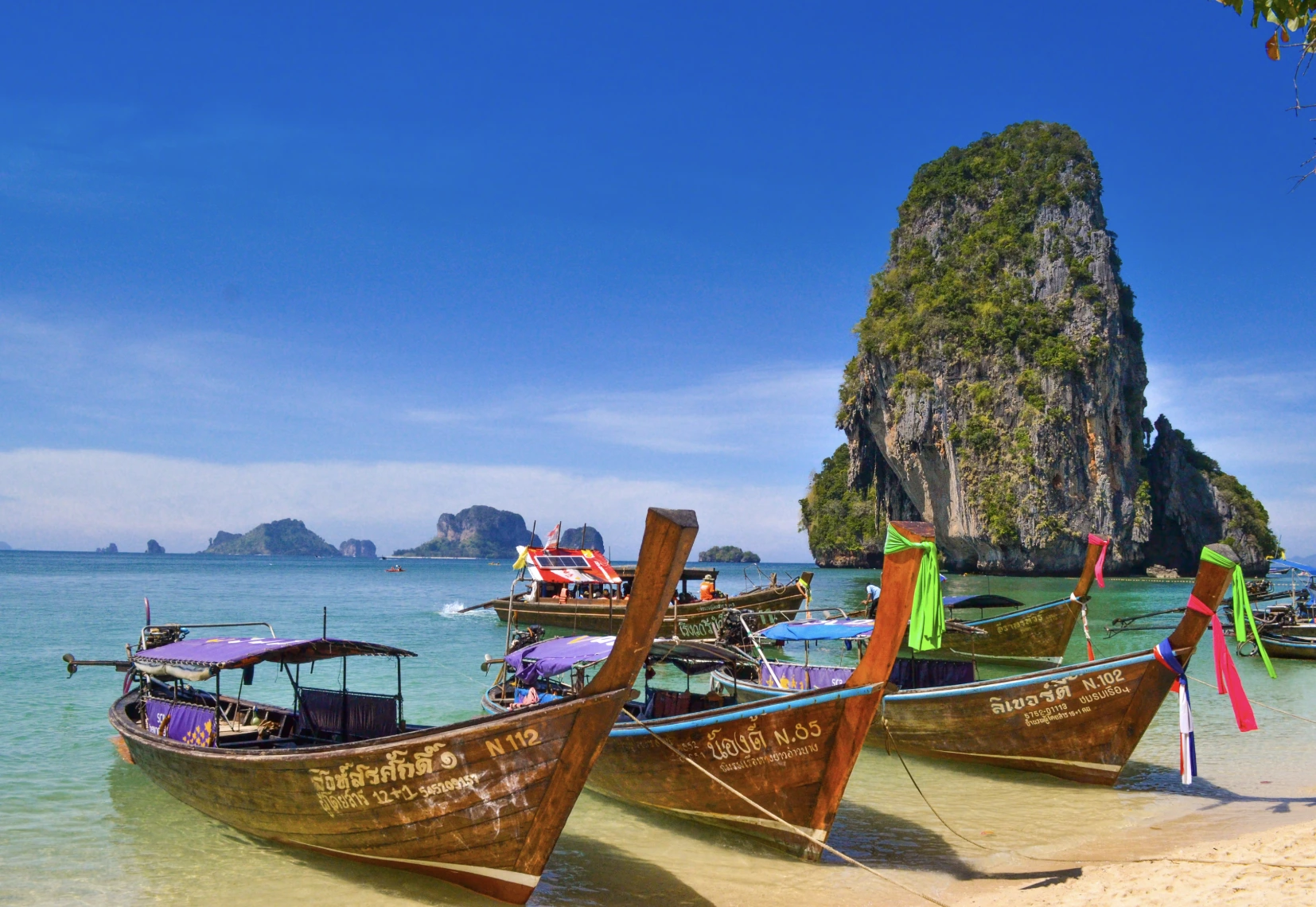
The best time to visit this coast runs from November to April. During these months, rainfall drops, humidity eases, and seas turn calm. Water clarity improves, which benefits swimming, snorkeling, and diving. This is the season most travelers associate with the best time to visit Phuket, especially for clear water days and smooth boat rides.
Iconic locations such as Krabi’s limestone cliffs and Phi Phi’s bays look their best during this period. Boat trips run reliably. Diving visibility improves significantly, often exceeding 20 meters. For island day trips, many travelers prefer to plan a Phi Phi Island tour within this calmer window, when crossings feel smoother and schedules are more stable.
From May to October, the Andaman Coast faces heavy monsoon conditions. Rainfall becomes frequent, and seas turn rough. Ferry services may stop during severe weather. Many beach businesses close temporarily during the quietest months.
Swimming becomes risky during peak monsoon weeks due to strong currents. Coastal erosion can temporarily alter beach appearance. While some travelers still visit in May or early June for lower prices, conditions become increasingly unpredictable later in the season. This kind of seasonal predictability is especially helpful for Thailand solo travel, because transport and day plans tend to run more smoothly.
 Calm seas make Phi Phi boat trips feel smoother and more enjoyable.
Best Time for Beaches, Islands, and Outdoor Activities in Thailand
Weather in Thailand affects activities more than destinations themselves. A beach that feels calm and clear in one month can feel inaccessible in another. Trails that feel easy during dry season can become slow or unsafe during heavy rain. Planning activities around timing often matters more than choosing specific locations.
This section explains how timing affects beaches, diving, hiking, and national parks, and how travelers can align plans with conditions rather than expectations.
Beach Travel: When Thailand’s Coastlines Work Best
Thailand’s beaches remain one of the country’s biggest draws, but conditions vary widely depending on the coast and season. Calm seas, water clarity, and wind patterns matter more than air temperature—this is exactly why knowing the best time for a beach tour can shape the whole trip experience.
The Andaman Coast performs best during the dry season, roughly from November through March. During this period, seas remain calm, visibility improves, and beach conditions feel stable. Boat travel becomes reliable, which matters for island hopping and day trips.
 From November to March, the Andaman Coast often has calmer seas and clearer water.
Water clarity improves significantly during these months. Snorkeling reveals coral and marine life without heavy sediment. Kayaking around limestone cliffs feels manageable rather than risky. Longtail boats operate on predictable schedules.
April can still work on the Andaman Coast for travelers who tolerate heat. Rain remains limited, but midday sun becomes more intense. By May, conditions begin to shift, and sea states grow less predictable.
The Gulf Coast behaves differently. Its driest and calmest period usually extends from February through August. While other parts of Thailand experience monsoon rain, Gulf Coast islands often remain workable, with calmer seas and fewer weather disruptions.
This opposite pattern allows strategic planning. Travelers visiting during rainy months on one coast can often switch to the other rather than abandoning beach plans altogether. A good way to narrow choices is to start from the type of beach you want—quiet coves, easy swimming, or island hopping—then match that to the Thailand beach style that fits your trip.
 A calm, clean beach day is often the highlight of a Thailand trip.
Diving and Snorkeling: Visibility and Sea Conditions Matter More Than Weather
Diving and snorkeling depend heavily on water clarity, currents, and wave height. These factors do not always align with dry or rainy labels.
On the Andaman side, the best underwater conditions typically run from November through April. Sea visibility improves dramatically during this window, often reaching twenty to thirty meters at deeper sites. Calm waters make boat travel easier and safer.
The Similan Islands operate only during part of the year, generally from late October to early May. This limited season exists because conditions outside that window become unsafe for regular access. Travelers planning diving trips often time entire itineraries around this opening.
Richelieu Rock, one of Thailand’s most well-known dive sites, performs best during the same period. Marine life activity increases, and visibility supports deeper exploration.
The Gulf of Thailand follows a different rhythm. Diving remains possible for much of the year, particularly around Koh Tao. Visibility fluctuates depending on rainfall and plankton levels, but calm seas during much of the year support frequent outings.
October through January tends to bring rougher conditions on the Gulf side, which affects visibility and safety. Outside that window, diving often remains reliable, even during months when other regions struggle.
 Good visibility makes snorkeling and diving feel safer and more rewarding.
Hiking and National Parks: Dry Ground Changes Everything
Thailand’s national parks and hiking areas respond strongly to seasonal shifts. Dry trails, clear views, and stable river levels make a major difference.
Northern parks perform best during the cool season from November to February. Trails remain dry and accessible. Temperatures support sustained physical activity. Morning hikes start in cool air, allowing longer routes without exhaustion.
Wildlife activity increases during cooler months. Bird migration peaks, which draws birdwatchers. Clear skies improve visibility from viewpoints.
Doi Inthanon National Park stands out during this period. Early mornings in January can bring frost at higher elevations. Views stretch across mountain ranges when haze remains absent. Waterfalls continue flowing from earlier rains, though not at peak volume.
Southern parks behave differently. Trails remain passable from December through April. During rainy months, paths become muddy and slippery. Some routes close temporarily for safety. Rangers restrict access when flooding or erosion poses risk.
Khao Sok National Park presents a unique case. While rain increases difficulty, it also transforms the landscape. Jungle growth intensifies. Waterfalls surge. Cheow Lan Lake reaches its fullest level, creating reflective scenery that differs sharply from dry-season visuals.
Rainy season visits to Khao Sok require preparation, but many travelers find the atmosphere more immersive despite weather challenges.
For travelers comparing island options, the best island in Thailand often depends on sea conditions and the coast’s seasonal pattern, not just the name on the map. This beach-and-island timing is also important for couples booking a Thailand honeymoon tour, since sea conditions shape boat days, snorkeling, and private beach time.
 Dry trails and clear views make hiking easier and more enjoyable.

Best Time for Thai Festivals & Cultural Experiences
Thailand’s cultural calendar interacts closely with weather patterns. Festivals often reflect seasonal shifts, religious cycles, or agricultural rhythms. Timing travel around these events can add depth, but also introduces crowd and pricing considerations. Before locking dates, it helps to review a simple checklist of things to know before visiting Thailand, especially around holiday closures and peak-demand weeks.
|
Festival / Event |
Usual Time (Month) |
Best Places to Celebrate |
Typical Weather |
Travel Notes (What to Watch For) |
|
Loy Krathong |
November (date changes each year) |
Bangkok (rivers/lakes), Sukhothai, Chiang Mai |
Rain drops, evenings feel cooler, water levels still high |
Hotels sell out fast. Riversides get crowded at night. Go early for a good spot. Expect higher prices. |
|
Yi Peng (Lantern Festival) |
November (around Loy Krathong, mainly in the North) |
Chiang Mai (main), nearby towns |
Cooler nights, usually dry and comfortable |
Chiang Mai can be fully booked months ahead. Some lantern zones require tickets. Evening traffic gets heavy. |
|
Songkran (Thai New Year) |
Mid-April (fixed dates) |
Bangkok, Chiang Mai, Phuket, Pattaya |
Hottest time of year, strong sun |
Streets close and transport slows. Waterproof phone bag helps. Book flights/trains early. Plan rest time in the heat. |
|
Chinese New Year |
Late Jan–Feb (date changes each year) |
Bangkok Chinatown, Phuket Old Town |
Dry season, warm and busy |
Crowds rise in city centers. Prices increase in popular areas. Roads may close for parades and ceremonies. |
|
Vegetarian Festival |
September–October (date changes each year) |
Phuket (main), some towns in the South |
Rainy season, showers can be heavy |
Add buffer time for rain. Some boat trips may be affected by sea conditions. Roads can close during processions. |
|
King’s Birthday / National Holiday |
July (date fixed; activities vary) |
Bangkok (official areas), nationwide |
Rainy season in many regions |
Some offices and attractions may close. Traffic control is common near official places. Check opening hours. |
|
Full Moon Party (monthly) |
Monthly (date varies) |
Koh Phangan (Haad Rin) |
Depends on month; sea conditions matter in rainy season |
Ferries and hotels book out quickly. Rough seas can cause delays in Oct–Dec. Not ideal for quiet travelers or families. |
Quick planning tips (so the festival feels fun, not stressful):
- Book early for November events in Chiang Mai and major city hotels. Availability drops fast.
- Expect traffic and road closures in festival zones. Stay close to the main celebration areas when possible.
- For April (Songkran), plan more indoor breaks. Heat can be tiring after a full day outside.
- In September–October, keep plans flexible. Short heavy rain can shift boat schedules.
- If a festival is the main reason for the trip, build 1 “buffer day” before or after the event. It helps with delays and crowds.
Loy Krathong and Yi Peng
Loy Krathong usually falls in November, marking the end of the rainy season. People release decorated floats onto rivers and lakes as offerings. Water levels remain high, which enhances the visual impact.
 Loy Krathong is famous for floating lanterns that glow beautifully on the water.
Yi Peng takes place around the same time in northern Thailand. Lanterns fill the sky in Chiang Mai, creating scenes that have gained global attention. Demand for accommodation surges during this period. Prices rise quickly, and availability disappears months in advance.
Weather during these festivals tends to cooperate. Rainfall drops, evenings feel cooler, and outdoor celebrations feel comfortable. For families, November festivals can be enjoyable when plans stay simple and transport is smooth—this is often a good time for Thailand with kids to focus on easy evening activities and relaxed daytime sightseeing.
 Yi Peng in Chiang Mai is known for lanterns rising into the night sky.
Songkran: Thailand’s New Year
Songkran occurs in mid-April, during the hottest part of the year. Cities turn into water-fight zones. Streets close. Movement slows. The heat makes water celebrations feel refreshing rather than inconvenient. For travelers who enjoy large-scale festivities, this period offers energy and spectacle. For others, closures and crowds complicate travel plans.
Businesses often close for several days. Transport operates on holiday schedules. Planning during Songkran requires awareness of these disruptions, especially when moving between cities and islands. Knowing how to get around Thailand during holiday weeks can prevent delays and missed connections.
 Songkran turns hot April days into a fun, refreshing water celebration.
Other Seasonal Events
Chinese New Year occurs between late January and February. Bangkok’s Chinatown becomes a focal point for celebrations. Tourist numbers rise, and prices increase in popular areas.
The Vegetarian Festival takes place in September or October, mainly in Phuket. Street processions and rituals draw attention. This festival coincides with the rainy season, which affects travel logistics but does not diminish participation.
National holidays such as the King’s Birthday in July create short-term closures. Monthly Full Moon Party events on Koh Phangan draw crowds regardless of season, though weather affects turnout and sea conditions.
 Island events can be busy, and the weather often shapes how the night feels.
Months You May Want to Avoid in Thailand
April and May present the most uncomfortable conditions for most travelers. Daytime temperatures often exceed 38°C across central and northern Thailand. Urban areas retain heat, and outdoor movement becomes draining. In the north, air quality can deteriorate due to agricultural burning, reducing visibility and comfort.
September and October bring peak rainfall in certain regions. Gulf Coast islands experience frequent storms, rough seas, and ferry disruptions. Some resorts and services reduce operations during this period.
Major holiday weeks also affect travel quality. Late December, early January, and Chinese New Year drive sharp price increases and dense crowds in popular destinations.
These periods suit experienced travelers who prioritize cost or specific events over comfort and predictability.
 In some months, rough seas can affect ferries and beach safety, especially on island routes.
Burning Season: A Critical Timing Factor Many Guides Skip
Burning season affects northern Thailand from roughly late February through April. Farmers burn crop residue to prepare fields for planting. Combined with regional wind patterns, smoke becomes trapped in valleys.
Air quality can deteriorate sharply. Visibility drops. Outdoor exercise feels uncomfortable. Visitors often experience throat irritation or fatigue.
The severity of burning season varies year to year, but the pattern remains consistent. Travelers planning northern routes should avoid this window if possible. Those already in Thailand often head south during these months to escape both heat and smoke.
 Haze can reduce visibility in the north during burning season.
Thailand Packing Tips by Season
Cool Season Packing List
Light and breathable clothing works for daytime temperatures in cool season. One light jacket or sweater becomes necessary for northern regions at night. Comfortable walking shoes help with all the sightseeing you'll do.
Sunscreen and sunglasses protect you from strong tropical sun. A hat provides additional sun protection during outdoor activities. Light scarves come in handy for temple visits where shoulders must be covered.
Swimwear is essential for beach days and hotel pools. Insect repellent keeps mosquitoes away during evening outings. Temples and restaurants appreciate modest clothing choices.
Hot Season Packing List
The lightest possible clothing helps you cope with extreme heat. Multiple changes of shirts are necessary since you'll sweat constantly. Good sunscreen with high SPF protects your skin from intense sun.
A reusable water bottle keeps you hydrated throughout the day. Hats with good coverage protect your face and neck from direct sun. Sandals that handle heat and moisture work better than closed shoes.
Cooling towels provide relief when soaked in water. Electrolyte packets help replace minerals lost through constant sweating. Loose-fitting clothes in light colors stay cooler than dark tight clothing.
Rainy Season Packing List
Quick-dry clothing becomes essential when rain is frequent. A compact umbrella or rain jacket keeps you dry during sudden showers. Waterproof bags protect electronics from moisture damage.
Water-resistant shoes or sandals dry quickly after getting wet. Dry bags for beach trips keep belongings safe from rain and splashes. Extra plastic bags help separate wet items from dry clothing.
Mosquito repellent becomes more important as insects increase during rain. Light long-sleeved clothing provides mosquito protection without overheating. Antibacterial wipes help when washing facilities aren't available.
For travelers extending the trip beyond Thailand, a Thailand and Vietnam tour is a common way to combine beaches, food, and culture across two countries. For a longer beach-focused escape, a Thailand Bali tour is another popular add-on option after Thailand.
 Some travelers extend their beach time by pairing Thailand with a relaxing Bali itinerary.
Conclusion: Summary of Best, Cheapest & Avoid Months
Thailand offers workable travel windows for nearly every type of traveler. The cool months from November to February provide the most consistent conditions for Thailand tours. Hot and rainy seasons trade comfort for value, space, and lower costs.
The right time to visit depends less on chasing ideal weather and more on matching conditions with personal priorities. Travelers who plan with seasonal realities in mind tend to experience fewer disruptions and better pacing.
For those who prefer guidance when aligning routes with climate patterns, optional itinerary planning support can help reduce guesswork. At Indochinatour.com, we can help you build a route that fits your budget, comfort level, and preferred climate. We offer custom itineraries, local insight, and full trip support. Drop us a message for a detailed discussion.
Srey Pov
Cambodia is my home, not simply another stop on an itinerary.
I was born in Phnom Penh, studied Hotel and Tourism Management, and have worked in tourism for 15 years. I’ve also traveled extensively through Vietnam, Laos, Thailand, and Myanmar.
My work has included private journeys as well as a multi-country trip for a group of more than 50 travelers, which received a five-star review.
When I write about Cambodia and the wider region, I bring the view of someone who lives here and has spent years planning trips on the ground—not just repeating what appears in standard destination guides.
Email me about your travel idea