
Top 12 Questions Most First-time Travelers Ask about Cambodia Tours

Srey Pov
Cambodia is my home, not simply another stop on an itinerary.
I was born in Phnom Penh, studied Hotel and Tourism Management, and have worked in tourism for 15 years. I’ve also traveled extensively through Vietnam, Laos, Thailand, and Myanmar.
My work has included private journeys as well as a multi-country trip for a group of more than 50 travelers, which received a five-star review.
When I write about Cambodia and the wider region, I bring the view of someone who lives here and has spent years planning trips on the ground—not just repeating what appears in standard destination guides.

 Email me about your travel idea
If you know anything about Cambodia, it is probably Angkor Wat. But the country has much more to offer, from Phnom Penh’s history to Siem Reap’s local life, southern beaches, peaceful Kampot, and charming Battambang.
There is a lot to know before your first visit. You may wonder about visas, safety, the best time to visit, how many days to stay, where to go, and how to get around. Based on our local travel experience in Cambodia, we’ve collected the most common questions to help you start planning a smooth and enjoyable Cambodia tour.
Quick Overview: First-Time Cambodia Travel Questions
|
Key Question |
Quick Answer |
|
Is Cambodia safe? |
Yes for most tourist routes, but watch bags, phones, roads, and border-area alerts. |
|
Do I need a visa? |
Many travelers need a tourist visa or eVisa, plus the Cambodia e-Arrival Card. |
|
Best time to visit? |
November to February is the easiest season for temples, cities, and outdoor travel. |
|
First-time route? |
Siem Reap, Phnom Penh, and Kampot or the islands work best for most visitors. |
|
How many days? |
7–10 days is enough for a comfortable first Cambodia tour. |
 Can I Travel to Cambodia Right Now? How safe is Cambodia for tourists?
Do I Need a Visa to Visit Cambodia?
What Is the Best Month to Visit Cambodia?
Where Should I Go for the First Time in Cambodia?
What Is Cambodia’s Best-Kept Secret Beyond Angkor Wat?
How Many Days in Cambodia Is Enough?
Can I Combine Cambodia with Vietnam, Thailand, or Laos?
How Much Money Do I Need for Cambodia?
What Should I Not Bring into Cambodia?
What Are the Main Do’s and Don’ts in Cambodia?
Can I Travel to Cambodia Right Now? How safe is Cambodia for tourists?
Yes, you can visit Cambodia right now. Destinations like Phnom Penh, Siem Reap, and Sihanoukville are welcoming visitors from around the world.
Cambodia has a good reputation as a safe destination for travelers. Popular tourist areas are almost completely free of violent crime, particularly against tourists. Most visitors experience a smooth and safe Cambodia trip.
Like anywhere else, you should follow common-sense precautions. Keep an eye on your valuables, avoid isolated and poorly lit areas, and stick to trusted transportation choices.
From our local experience, most safety issues for travelers are not serious crimes, but small daily problems such as road traffic, phone snatching, unclear prices, or using the wrong transport at night.
Tourism infrastructure has improved dramatically in recent years, but road safety can be challenging. Streets in larger cities can be chaotic, and you should stay aware of your surroundings at all times. Trusted ride-hailing apps like Grab are a reliable way to get around.
For families, seniors, and travelers arriving late, we usually suggest pre-arranged transfers or a trusted private car instead of finding transport on the street.
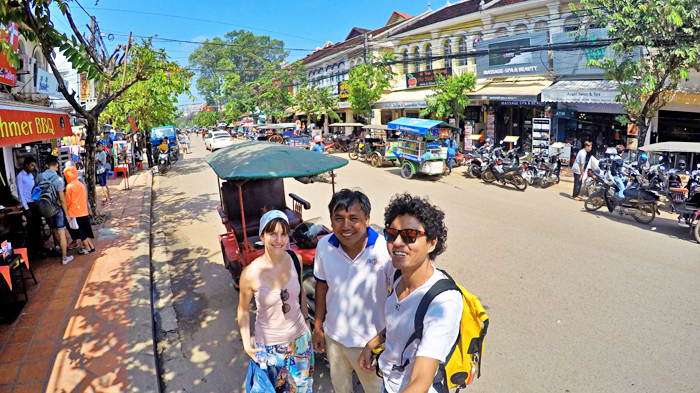 Cambodia is generally safe for tourists when you use trusted transport and agencies.
Do I Need a Visa to Visit Cambodia?
Many travelers need a tourist Cambodian visa to visit Cambodia, while some nationalities can enter visa-free for limited stays. For most first-time visitors, the two common choices are a visa on arrival or an e-visa before the trip.
A tourist visa on arrival is available at international airports and many major land border crossings. It usually costs 30 USD and allows a stay of up to 30 days. It is simple, but immigration lines can be longer during busy travel periods.
For many travelers, applying for a Cambodia visa on arrival or e-visa is one of the first things to check before booking flights and hotels.
The Cambodia e-visa is often a better choice if you want to save time on arrival. You can apply online before your trip. The tourist e-visa has a visa fee of 30 USD, is valid for 3 months from the date of issue, and usually takes 3 business days to process. Always apply through the official website and check your passport details carefully before submitting the form.
Travelers should also complete the Cambodia e-Arrival Card before entering the country. This digital form includes arrival, health, and customs information, and it can be submitted online within 7 days before arrival. It does not replace your visa, but it helps make the arrival process smoother.
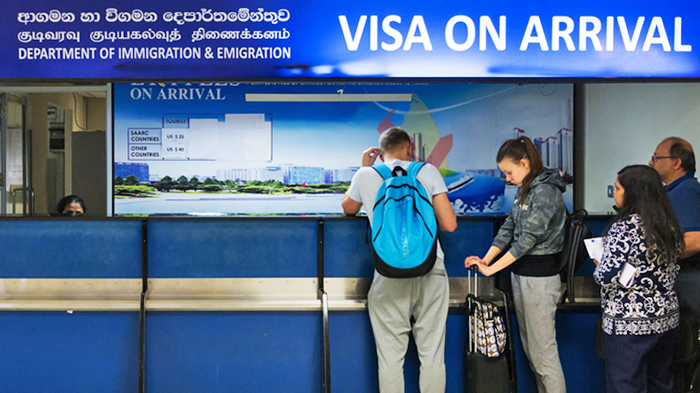 Checking your visa and arrival form early can make your first day in Cambodia much smoother.
What Is the Best Month to Visit Cambodia?
Ultimately, the best month to visit Cambodia depends on your travel style, but November to February has the best weather.
For our guests, this season usually works best because Angkor temple visits are more comfortable, long drives feel easier, and outdoor sightseeing is less affected by heat or rain.
It’s called the cool season, but temperatures are a warm and comfortable 25-30°C. Humidity is lower, and skies are clear. It’s the ideal time for exploring the outdoors in places like the Angkor Wat Temple Complex.
The rainy season from June to October appeals to some travelers. Rain is frequent, but not continuous. It usually falls in the late afternoon and evening, leaving the early parts of the day open for exploring outdoors.
It’s also a cheaper time to visit. Prices on flights, hotels, and tour packages drop due to the smaller crowds. If you don’t mind being flexible with your plans, you can have a quiet, authentic experience. Plans.
When we arrange rainy-season trips, we usually plan outdoor visits in the morning and keep softer options, such as museums, cafés, spa time, or local markets, for later in the day.
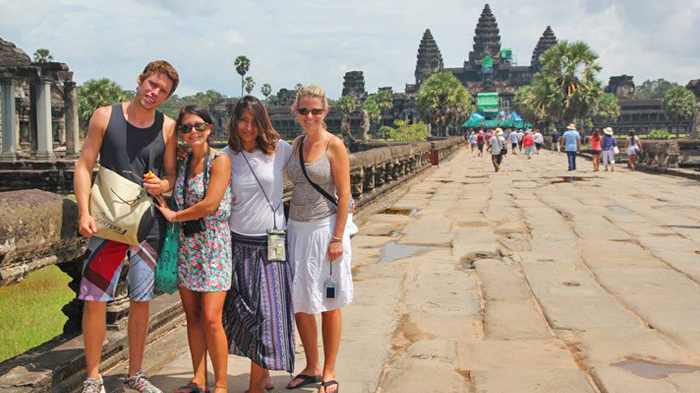 November to February is the easiest season for temples and outdoor travel.
Where Should I Go for the First Time in Cambodia?
There is so much to see in Cambodia that there are no bad choices, but first-time visitors usually begin with Siem Reap, Phnom Penh, and the southern coast.
When we plan a first Cambodia tour, we usually build the route around Siem Reap first, then add Phnom Penh, Kampot, Battambang, or the coast based on the traveler’s pace and interests.
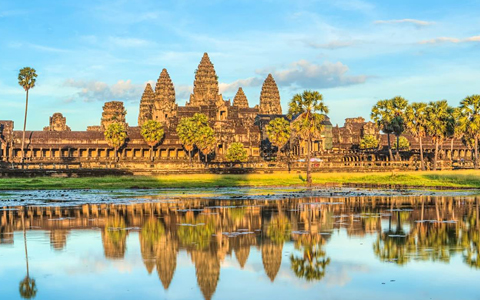
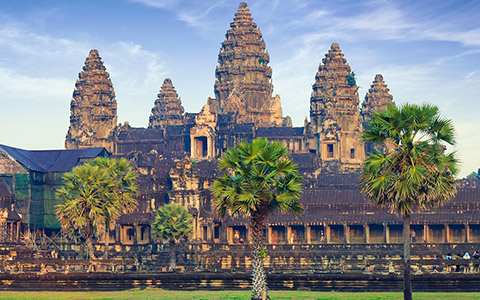
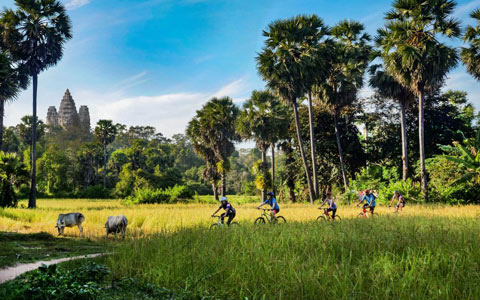
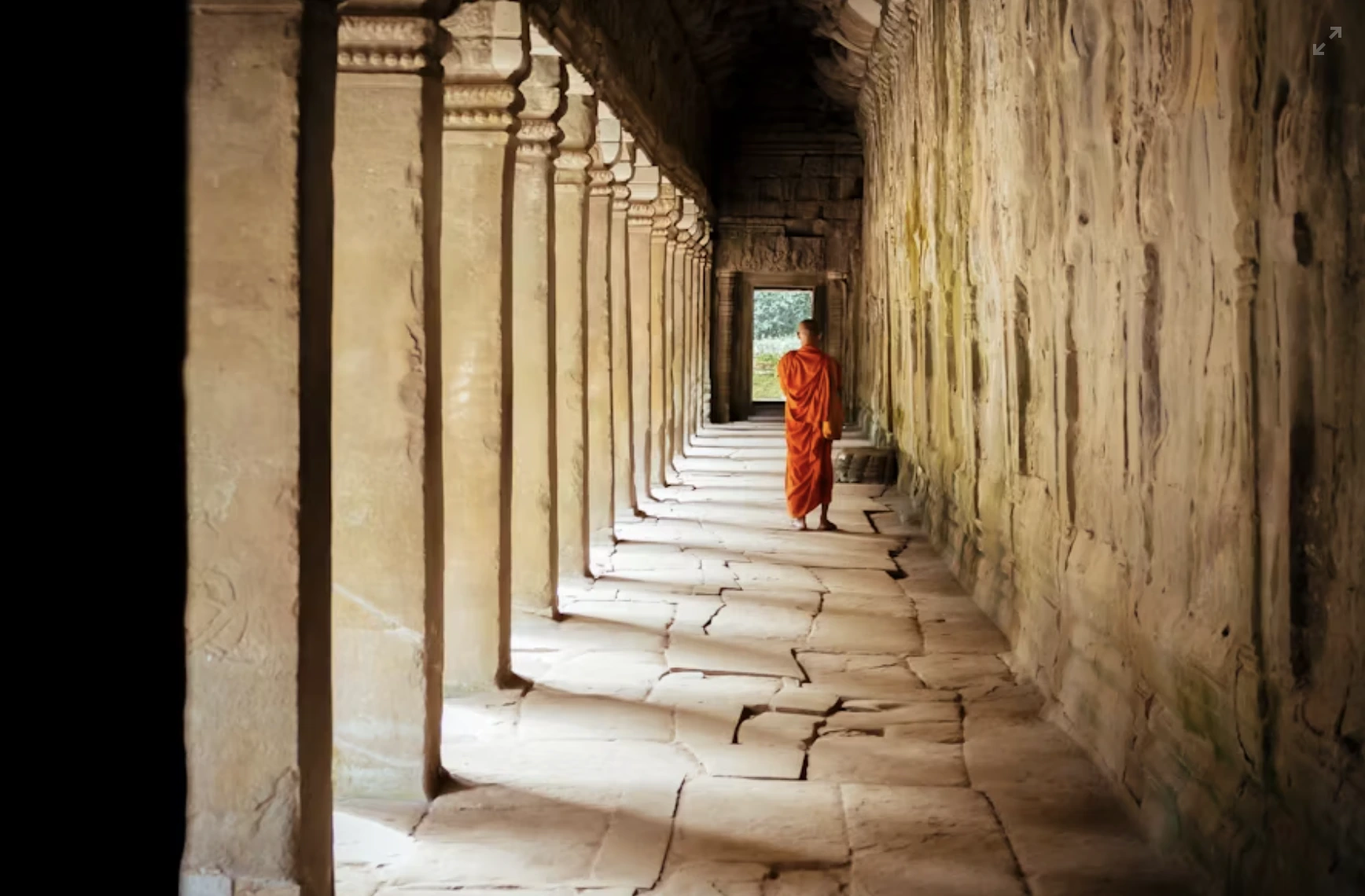
Siem Reap is a must-see destination. It’s a lively city in itself, and also the gateway to Angkor Wat. After exploring Angkor Wat Temple Complex during the day, you can explore vibrant markets and watch traditional performances. Take a Siem Reap tour of the countryside, and enjoy a boat trip on Tonle Sap Lake to visit floating villages.
For first-time visitors, we do not suggest rushing Angkor Wat in one short visit. A slower temple plan usually gives a better experience, especially in hot months.
Phnom Penh is Cambodia’s capital, and a city where modern and traditional meet. It boasts colonial architecture, riverside promenades, and important cultural landmarks. At the Royal Palace and Tuol Sleng Genocide Museum, you can learn about Cambodia’s ancient and modern history.
A Phnom Penh tour works well when you want to understand Cambodia beyond Angkor Wat, especially through its royal sites, riverside life, markets, and modern history.
Our guides usually help guests understand Phnom Penh with care, because some historical sites are emotionally heavy and should be visited with respect.
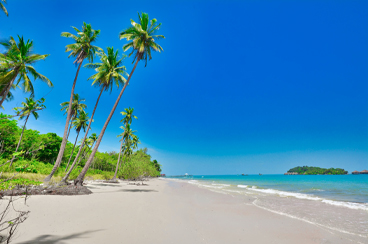
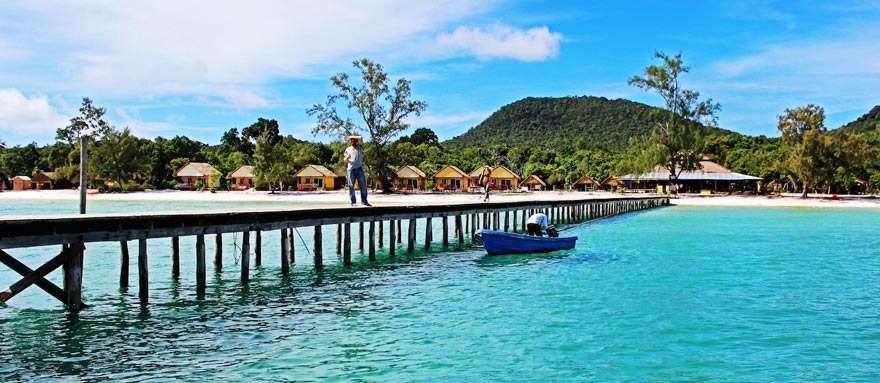
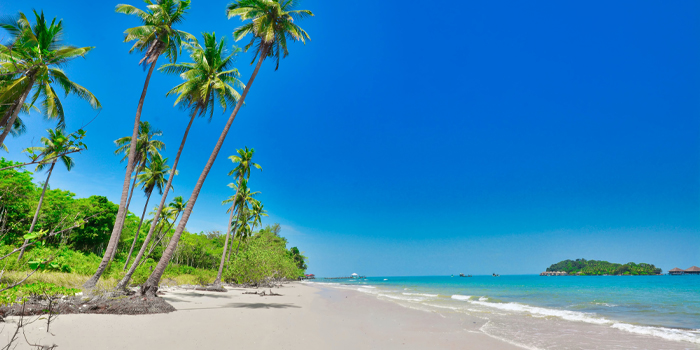
The southern coast is the place for beach lovers. Sihanoukville and islands like Koh Rong have white-sand beaches and clear waters perfect for swimming and other water activities. It’s the perfect place to unwind before ending your tour.
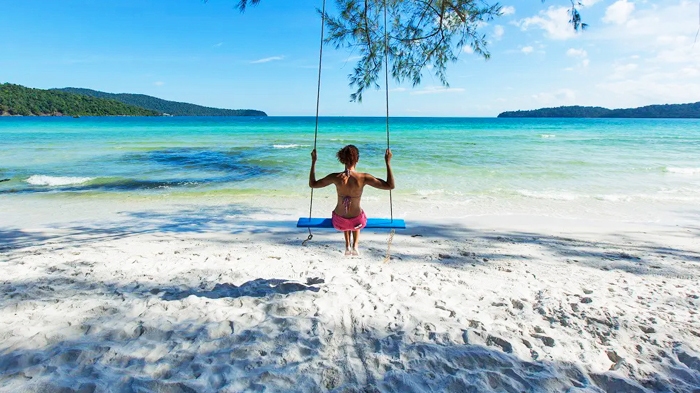 Siem Reap, Phnom Penh, and the southern coast make a strong first Cambodia route.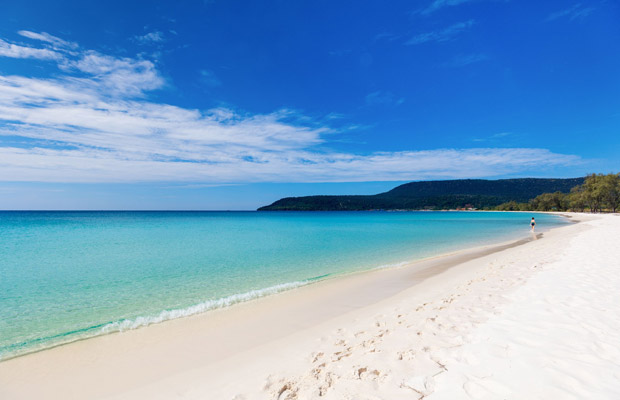

What Is Cambodia’s Best-Kept Secret Beyond Angkor Wat?
Angkor Wat is truly a wonder and deserves the attention it gets, but Cambodia has plenty of hidden treasures beyond the temple complex.
One of the country’s best-kept secrets is Kampot, a peaceful riverside town famous for its relaxed atmosphere, French colonial architecture, and world-renowned pepper farms. There, you can enjoy river cruises, trekking, and outdoor experiences while experiencing a slower pace of life.
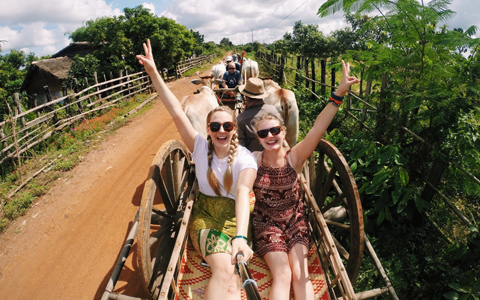
Battambang also often goes overlooked. It’s known for its artistic community, colonial buildings, and rural charm. If you want slower local experiences, there are many memorable things to do in Battambang, from the bamboo train to nearby villages and countryside visits.
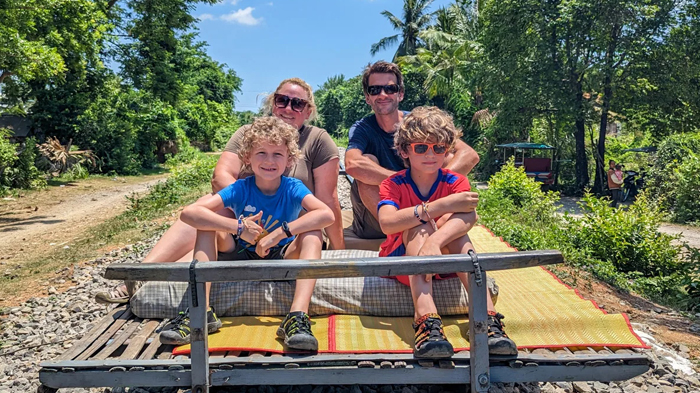 Kampot and Battambang are good choices when you want a slower side of Cambodia.
How Many Days in Cambodia Is Enough?
From our planning experience, many first-time travelers enjoy Cambodia more with 7 to 10 days, This is usually the most comfortable Cambodia tour length, because it leaves enough time for temples, history, local life, and rest.
Start with 3-4 days in Siem Reap. You’ll want at least one full day exploring the wonders of Angkor Wat, and you can take a day trip through the surrounding countryside and see Tonle Sap Lake. That still leaves time to visit the city’s local markets and see a traditional Apsara Dance performance.
Two days in Phnom Penh will let you experience the culture and history of the capital city. Visit the Royal Palace and Silver Pagoda, stroll along the riverside, and visit the Tuol Sleng Genocide Museum.
Spend a few days relaxing on the beaches of Sihanoukville, or go island hopping to places like Koh Rong.
If you have more time, you can add Battambang or Kampot to your Cambodia tour itinerary. Battambang is a sleepy cultural city home to the famous bamboo train. In Kampot, you can see the pepper plantations and experience the beautiful countryside.
For seniors and families, we usually avoid changing hotels too often. Staying two or three nights in the main places makes the trip much easier.
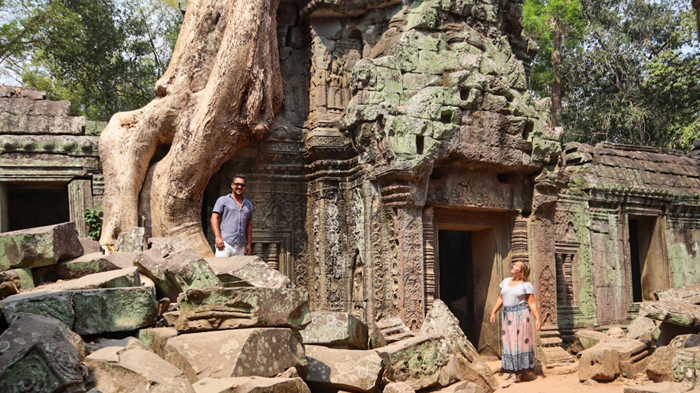 Seven to ten days gives most first-time travelers enough time to enjoy Cambodia without rushing.
Can I Combine Cambodia with Vietnam, Thailand, or Laos?
Yes! Regional flights and overland routes make it simple to visit neighboring countries in Southeast Asia.
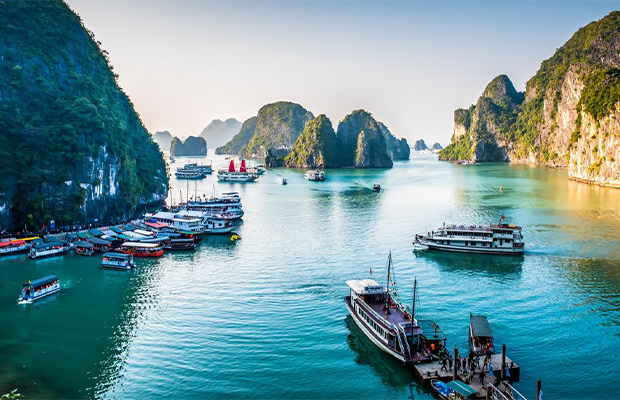
Vietnam and Cambodia are one of the most popular combinations. From Ho Chi Minh City, you can cross into Cambodia by flight, bus, or even along the Mekong River cruise.
A Vietnam and Cambodia tour works well because Vietnam brings busy cities, food, coastlines, and river life, while Cambodia adds Angkor temples and a slower travel rhythm.
As a local Southeast Asia tour operator, we often recommend Vietnam and Cambodia together because the route is easy to connect and the travel styles balance well.
Thailand is also easy to combine with Cambodia. Frequent flights connect Bangkok with Phnom Penh and Siem Reap, and land border crossings are also possible.
Vietnam and Thailand have more international flight connections, making them a good starting point for a combined tour. You’ll enjoy the contrast between bustling cities like Ho Chi Minh City and Bangkok with Cambodia’s relaxed atmosphere.
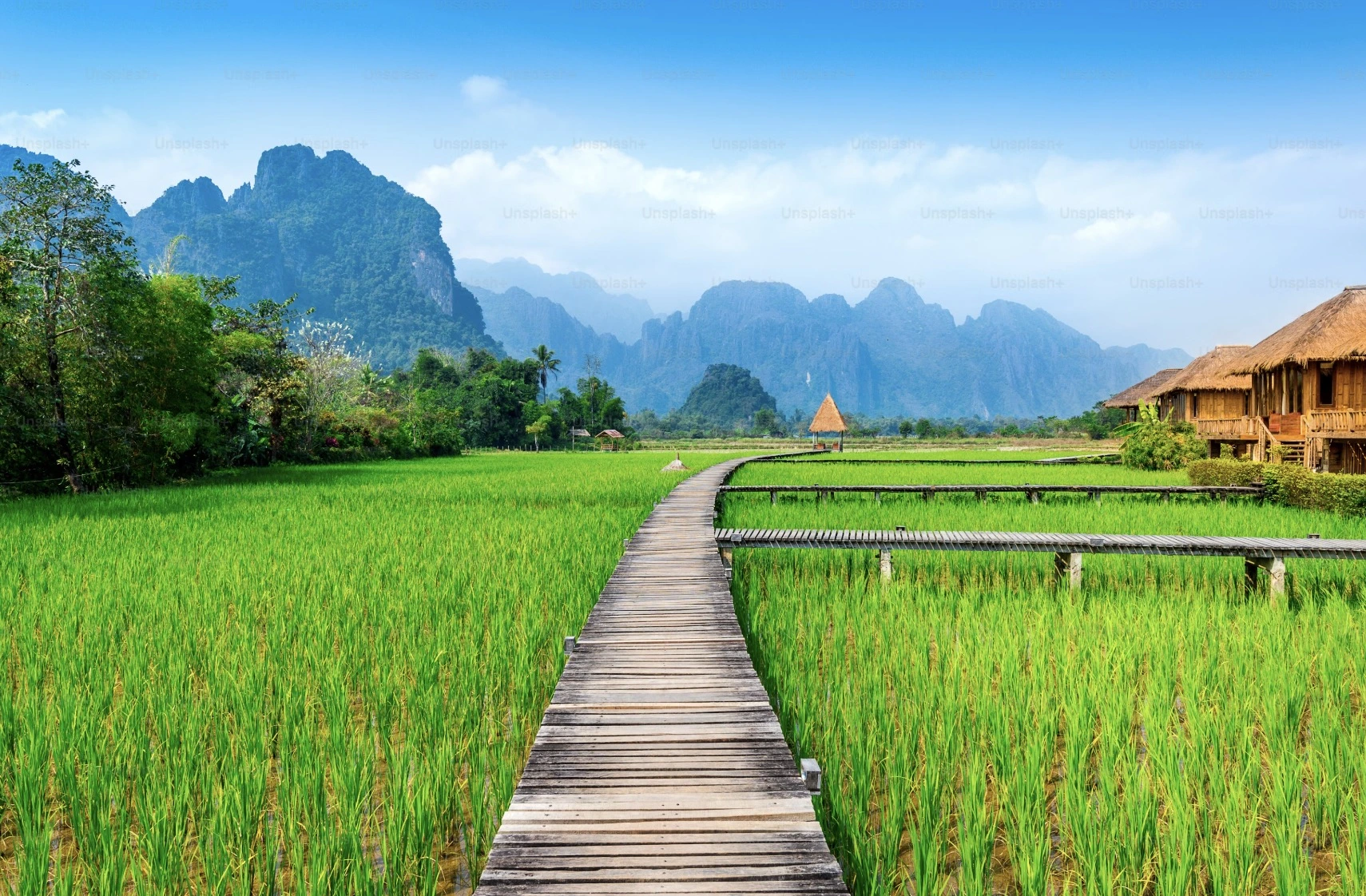
Laos is an increasingly popular addition to Cambodian tours. Flights connect Luang Prabang and Siem Reap, and Vientiane with Phnom Penh. Exploring Laos’ pristine natural environment is a natural complement to laid-back Cambodia.


How Do I Get Around Cambodia?
Getting around in Cambodia has gotten easier in recent years. Domestic flights between major destinations such as Phnom Penh and Siem Reap are frequent and affordable.
Overland routes are a good option for seeing the countryside. Long-distance buses are the budget choice. Modern buses have comfortable seats, air conditioning, and amenities such as Wi-Fi.
Private cars are the most comfortable way to travel over land. They’re perfect for families and small groups, and give you flexibility and door-to-door service. For private Cambodia tours, we usually use private cars for overland routes because they give more control over timing, comfort, rest stops, and luggage.
In cities, tuk-tuks (commonly called remorques) are the classic way to get around. Taxis are also plentiful and affordable.
Ride-hailing apps like Grab make booking tuk-tuks and taxis simple. The apps handle translation, and you can link your debit or credit card for easy payment. Pre-calculated fares mean you’ll never be surprised by the prices.
Even with apps, it is still helpful to have a local guide or driver for longer sightseeing days, especially around Angkor, countryside areas, and intercity routes
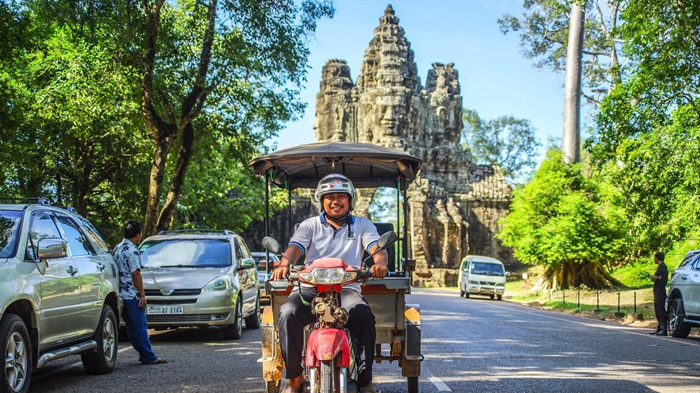 Private cars, tuk-tuks, flights, and buses all work for different parts of a Cambodia trip.
How Much Money Do I Need for Cambodia?
How much money you need for a Cambodia trip depends on your travel style and how you booked your trip. Cambodia is generally an inexpensive place, but you can still find luxuries if you want them.
Budget travelers can get by on as little as 30-50 USD per day. Mid-range trips cost around 80-120 USD per day, and luxury travel starts around 200 USD per day.
If you booked one of our top Cambodia tour packages, then most of your costs are already covered. Accommodations, guide, entrance tickets, and transportation will be prepaid, so you only need to bring money for daily expenses.
With a private Cambodia tour, the biggest value is not only the included services, but also the time saved on planning, transfers, tickets, and local coordination.
Street food costs 1-3 USD per person, and you should absolutely try it. Small local eateries also have great authentic food, often for as little as 5 USD per meal. Including other daily expenses, and some money for tips, plan to bring 25-50 USD per day. We also suggest carrying small USD bills and checking that the notes are clean, because damaged bills may be refused by some local shops or restaurants.
 Small USD bills and local cash are useful for food, markets, tips, and daily travel in Cambodia.
What Should I Not Bring into Cambodia?
Travelers entering Cambodia should avoid carrying illegal drugs, restricted weapons, counterfeit goods, or materials considered offensive under local laws. Drug-related offenses are treated very seriously and can result in severe penalties.
Don’t bring in large quantities of electronics or expensive items without proper documentation. Customs may ask questions if it looks like you are carrying more than one person would use.
It is also important not to purchase or export antiquities, ancient artifacts, or wildlife products illegally. Cambodia has strict laws protecting cultural heritage and endangered species.
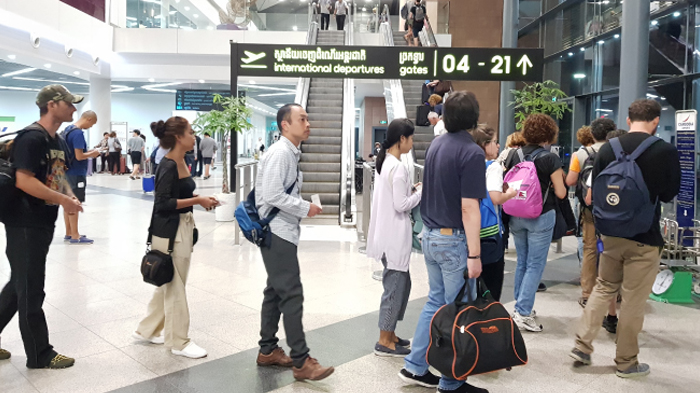 A smooth arrival starts with simple luggage and a clear understanding of what not to bring.
What Are the Main Do’s and Don’ts in Cambodia?
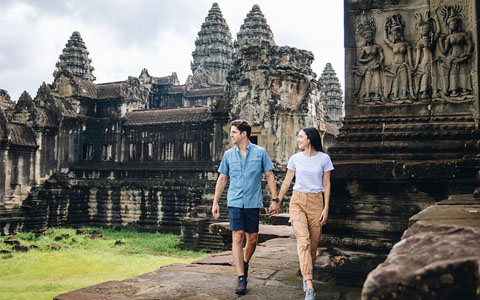
Cambodian culture emphasizes respect, humility, and politeness. When visiting temples or spiritual sites, modest clothing is a must. Make sure your knees and shoulders are covered, and remove hats and shoes.
Our guides usually remind guests about dress rules before temple visits, so there is no stress at the entrance and no risk of being turned away.
Also, make sure to be respectful when approaching modern Cambodian history. These tragic events touched many people’s lives and are still emotionally powerful today.
Public displays of anger or aggression are frowned upon. Local culture places a lot of importance on maintaining calm and harmony.
Never touch anyone on the head, even in a playful way. It is a disrespectful gesture towards someone. Feet are considered the lowest part of the body, so avoid pointing them at people or sacred objects.
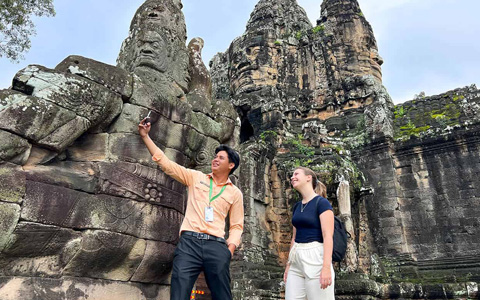
For temple visits, an Angkor Wat tour guide can also help you understand dress rules, local customs, and respectful behavior before you enter the sites.
Is English Widely Spoken in Cambodia?
English is widely spoken in Cambodia’s tourism industry, especially in major destinations such as Siem Reap and Phnom Penh. Hotel staff, tour guides, restaurant workers, and younger Cambodians in urban areas often communicate well in English.
In smaller towns and rural regions, English is usually more limited. Cambodians are generally patient and helpful toward visitors, but you might need an interpreter for more in-depth communication.
It’s a good idea to learn some basic words and phrases in Khmer. A small gesture will be well appreciated by local people.
Conclusion
Use this information to start planning your Cambodia tour. With the right knowledge, you’ll be able to go beyond the guidebooks to discover hidden gems and have an authentic local experience.
Choose the best time for your travel style, and the best destinations for the experience you want. Our professional travel consultants can work with you to make sure that all arrangements are taken care of.
At Asia Exclusive Tours(indochinatour.com), our local team helps travelers plan private Cambodia tours with trusted guides, comfortable transport, carefully paced routes, and on-the-ground support. Contact us to start planning your Cambodia tour today.
Srey Pov
Cambodia is my home, not simply another stop on an itinerary.
I was born in Phnom Penh, studied Hotel and Tourism Management, and have worked in tourism for 15 years. I’ve also traveled extensively through Vietnam, Laos, Thailand, and Myanmar.
My work has included private journeys as well as a multi-country trip for a group of more than 50 travelers, which received a five-star review.
When I write about Cambodia and the wider region, I bring the view of someone who lives here and has spent years planning trips on the ground—not just repeating what appears in standard destination guides.
Email me about your travel idea