
Cambodia Itinerary Guide (7–21 Days): Complete First-Timer's Guide

Srey Pov
Cambodia is my home, not simply another stop on an itinerary.
I was born in Phnom Penh, studied Hotel and Tourism Management, and have worked in tourism for 15 years. I’ve also traveled extensively through Vietnam, Laos, Thailand, and Myanmar.
My work has included private journeys as well as a multi-country trip for a group of more than 50 travelers, which received a five-star review.
When I write about Cambodia and the wider region, I bring the view of someone who lives here and has spent years planning trips on the ground—not just repeating what appears in standard destination guides.

 Email me about your travel idea
A well-planned itinerary makes a big difference when traveling in Cambodia. This guide helps you shape a route that fits trips from one week to three weeks, with clear pacing and realistic travel times. It’s built for travelers who want to see more than one side of the country.
Cambodia extends far beyond Angkor Wat. Temple ruins sit among forests, cities follow riverbanks, and coastal towns move at a slower speed. Markets, farms, and fishing villages add context that guidebooks often skip when routes feel rushed.
The itineraries here connect these regions in a way that makes sense on the ground. Each one balances temples, cities, countryside, and coast while leaving room to slow down. You’ll spend less time in transit and more time experiencing each place.
 About Cambodia: More Than Just Angkor Wat
Cambodia Itinerary Quick Planner (7–21 Days)
Best Time to Visit Cambodia (Month-by-Month Guide)
Essential Planning Basics for Your Cambodia Trip
Cambodia Itineraries by Length (7–21 Days)
Destination Guide Inside Your Cambodia Itinerary
Transport Between Main Cities in Cambodia
About Cambodia: More Than Just Angkor Wat
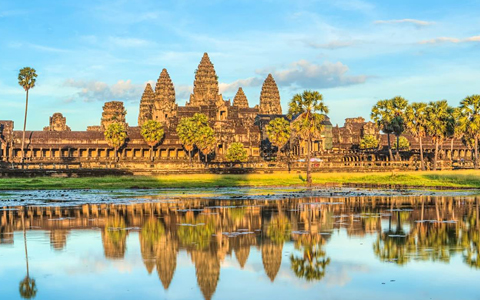
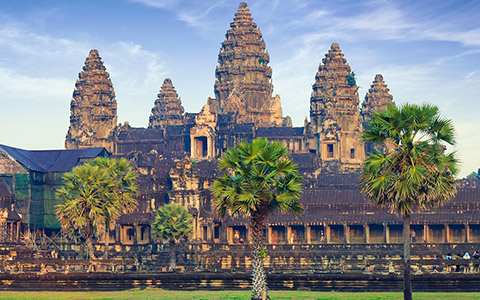
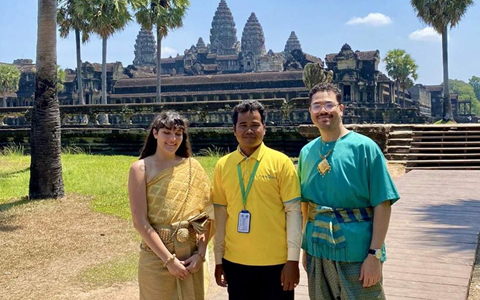
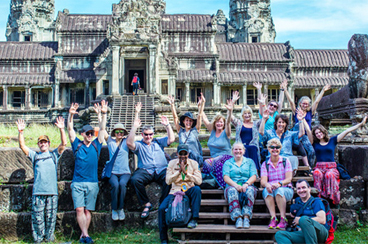
Angkor Wat shapes how most people picture Cambodia, and that makes sense. The 12th-century complex stands among the world's great architectural works. Sunrise over its towers draws visitors from everywhere. Beyond the main temple, the wider Angkor park holds hundreds of ruins from different eras, and an early-morning Angkor Wat sunrise tour helps you see the main highlights before the crowds build.
 Sunrise at Angkor Wat is a quiet and unforgettable start to the day.
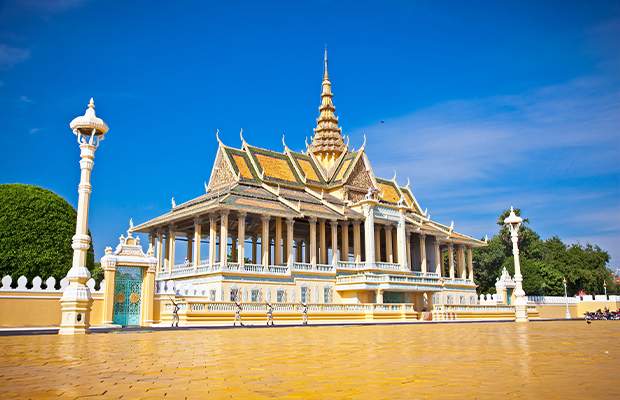
Cambodia's story continues well past the temples. Phnom Penh sits where the Mekong and Tonle Sap meet, busy and full of contrast. The Royal Palace shows royal grandeur, while museums document the Khmer Rouge period. Evenings soften the mood along the riverside promenade.
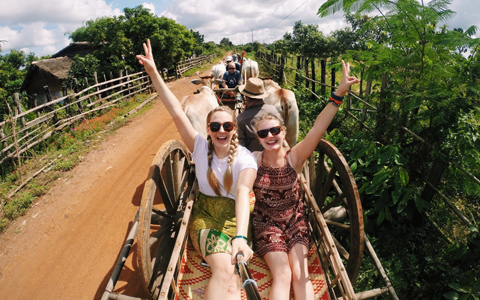
Outside the cities, life moves at a slower pace. Rice fields stretch toward distant hills, and fishing villages rise and fall with Tonle Sap's seasons. Towns like Kampot and Battambang reveal everyday routines, local markets, and river life without heavy crowds.
The South adds another side to the country. Islands like Koh Rong and Koh Rong Sanloem offer calm beaches and glowing plankton at night. Bokor Mountain looks out over jungle and sea, while Kampot's riverside cafes wind days down. A well-planned Cambodia itinerary helps balance all of this without feeling rushed.
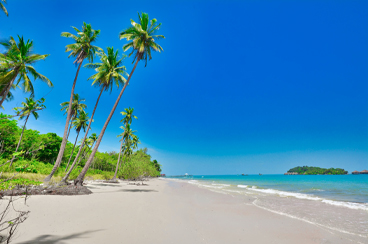
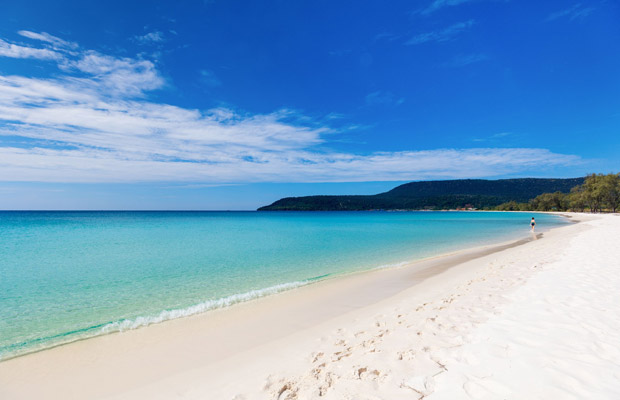
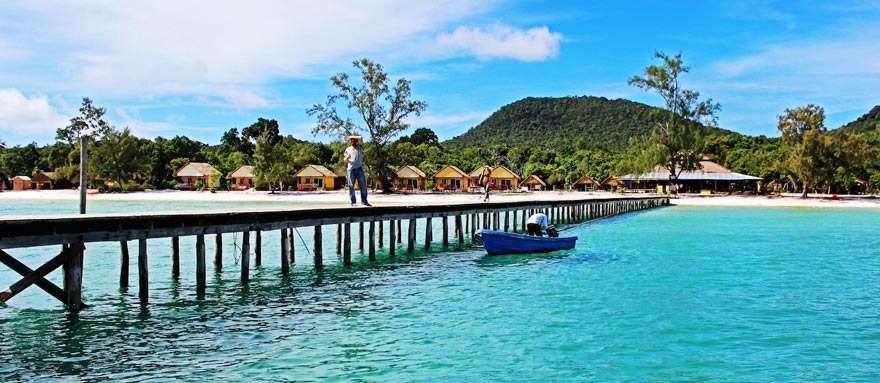
 Cambodia also has beautiful islands for slow, easy beach days.
Cambodia Itinerary Quick Planner (7–21 Days)
5 days only work when time is very limited. This length usually focuses on Angkor Wat with a possible short stop in Phnom Penh, and it suits travelers combining Cambodia with Vietnam or Thailand. Most visitors find the pace tight and often wish they had added more time. If you are still deciding the right pace, this guide on how many days in Cambodia is a helpful starting point.
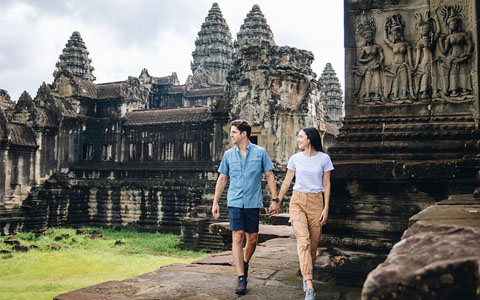
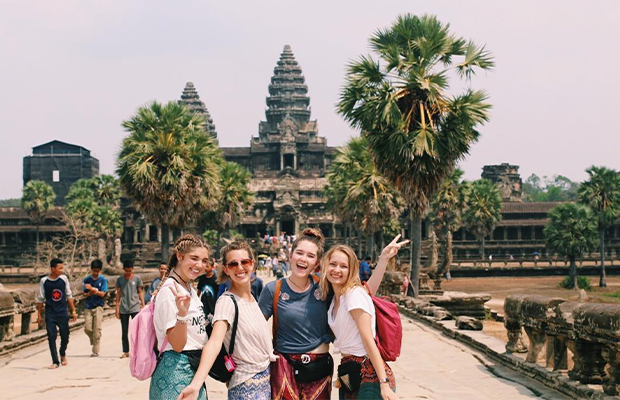
 Angkor Wat is the top highlight for most first-time travelers in Cambodia.
7–10 days allow a solid first trip, with proper time in Siem Reap and Angkor plus Phnom Penh or a swap to Kampot and Kep. A 14-day itinerary feels more relaxed, combining temples, countryside, and the coast without rushing.
21 days suit slow travel, with space for Battambang, Tonle Sap, longer island stays, or an easy extension into Vietnam or Laos.
|
Trip Length |
Typical Route |
Who It Suits |
|
5 days |
Siem Reap → Angkor Wat → optional Phnom Penh |
Travelers short on time or combining Cambodia with Vietnam or Thailand |
|
7–10 days |
Siem Reap → Angkor Wat → Phnom Penh or Siem Reap → Kampot → Kep |
First-time visitors who want key highlights without rushing |
|
14 days |
Siem Reap → Phnom Penh → Kampot → Kep → Koh Rong Sanloem |
Travelers seeking a balanced mix of temples, countryside, and coast |
|
21 days |
Phnom Penh → Kampot → Kep → Koh Rong Sanloem → Battambang → Siem Reap (with Vietnam or Laos extension) |
Slow travelers or those adding regional travel |
The classic temples and capital route suits most first-time visitors. Start in Siem Reap with three or four days at Angkor and around town, then continue south to Phnom Penh by bus or plane. If you want a ready-made plan built around Angkor and the city highlights, you can browse Siem Reap tour options here. Two nights in the capital allow time for the Royal Palace, key museums, and memorial sites before departure.
 Phnom Penh is a great place to understand Cambodia’s history beyond the temples.
Travelers with more time often mix temples with the coast or countryside. A common option links Siem Reap with Kampot and Kep. The route adds river views, pepper farms, and a slower coastal pace. Some travelers continue on to the islands through Sihanoukville.
Longer trips often include Battambang for rural scenery and colonial streets. Others extend the journey into Vietnam or Laos for wider regional travel, especially travelers who want one smooth route across borders with Cambodia and Vietnam tours.


Best Time to Visit Cambodia (Month-by-Month Guide)
Cambodia's climate divides into two distinct seasons, dry season and rainy season, affecting your travel experience dramatically. The dry season runs from November through April, bringing clear skies and comfortable temperatures.
This period sees peak tourism, especially December through February, when temperatures stay pleasant, and rain rarely falls. The rainy season spans May through October. Despite its name, rain typically arrives in afternoon thunderstorms lasting one to two hours.
Mornings often stay sunny and perfect for temple visits. Rivers run full, waterfalls reach maximum power, and rice fields turn brilliant green across the countryside. If you’re also planning activities beyond weather, it helps to browse the top things to do in Cambodia before locking in dates.
Dry season temperatures range from 25 to 30°C in November through February, then climb to 35 to 40°C in March and April. The hottest months before monsoon rains arrive can feel oppressive, especially at midday Angkor temple visits.
The rainy season brings cooler temperatures, 28-32°C, with humidity increasing significantly after storms.
If you want easy travel and dry weather, the best time to visit Cambodia is usually November to February; if you prefer green scenery and fewer people, May to October works better.
Month-by-month summary: weather, rainfall, crowds, and price patterns
The following table shows how weather, crowd levels, and travel costs shift throughout the year. Use it to match your travel dates with the kind of trip you want, not just the weather you expect.
|
Month |
Weather & Temperature |
Rainfall |
Crowds |
Prices |
What to Expect |
|
November |
26–30°C, comfortable |
Rains taper off |
Medium |
Rising |
Green landscapes after monsoon, good balance of weather and crowds |
|
December |
25–28°C, dry and cool |
Very low |
Very high |
Peak |
Best weather of the year, heavy crowds at Angkor, book early |
|
January |
26–30°C, dry |
Very low |
High |
High but easing |
Reliable weather with slightly fewer crowds than December |
|
February |
28–32°C, warming |
Very low |
Moderate |
Falling |
Dry days, fewer tourists, brown countryside |
|
March |
32–38°C, hot |
Very low |
Low |
Low |
Empty temples, strong heat, good for budget travel |
|
April |
38–40°C+, extreme heat |
Very low |
Mixed |
Variable |
Khmer New Year crowds mid-month, intense heat overall |
|
May |
30–35°C, humid |
Light showers |
Very low |
Very low |
Start of greenery, excellent hotel deals |
|
June |
28–32°C, humid |
Afternoon storms |
Very low |
Very low |
Quiet temples, flowing waterfalls, good value |
|
July |
28–30°C, humid |
Frequent rain |
Very low |
Very low |
Lush rice fields, dry mornings, wet afternoons |
|
August |
28–30°C, humid |
Frequent rain |
Very low |
Very low |
Green countryside, plan around daily storms |
|
September |
28–30°C, humid |
Heavy rain |
Minimal |
Very low |
Lush scenery, strong waterfalls, transport delays possible |
|
October |
27–30°C, improving |
Decreasing |
Low to medium |
Rising |
Late October offers great balance of weather and scenery |
Takeaway: Late October, November, and March give the best balance of weather, crowd levels, and prices.
Suggestions by travel style
Best months for beaches and islands
November through March offers the most reliable beach conditions. Seas stay calm, rain stays rare, and ferry schedules run consistently. December to February brings the most stable weather and clear water for swimming and snorkeling. If islands are a key goal, you can also check Cambodia beach ideas to match your dates with the right coast.
 November to March is a great time for calm seas and island breaks in Cambodia.
April and May still work for beach trips if you handle heat well. Sea conditions remain usable, though temperatures rise fast. From June to September, monsoon weather brings rougher seas, heavier rain, and frequent ferry cancellations. Island stays become less predictable during this period.
Takeaway: For calm seas and dependable ferry travel, visit the islands between November and March.
Best time to avoid big crowds at Angkor
From May to October, Angkor temples feel quiet. Visitor numbers drop sharply, and famous sites often have only a handful of people present. Morning visits work best, with most rain arriving later in the day.
To see Angkor with minimal crowds, travel from May to October or during late October and March. March and April also see lighter crowds due to extreme heat, even though the weather stays dry. Late October sits between seasons and offers a good middle ground, with fewer visitors before peak season begins. If Angkor is the core of your trip, the best time to visit Angkor Wat depends on whether you prefer cooler air or fewer people.
Best time for green rice fields and lush countryside
For lush scenery and strong waterfalls, plan your trip between July and October. Cambodia looks its greenest from July through October. Rice planting starts in July, covering fields in bright green shoots. August and September show full growth, while October adds richer tones as harvest approaches. Waterfalls run strongest during this period. Late May and June mark the shift from dry to green. Landscapes change quickly once the first rains arrive. November keeps some greenery from the monsoon, before dry conditions slowly return.
Local tip: when to plan sunrise at Angkor and when to avoid major holidays
Sunrise times at Angkor shift across the year. Most mornings, expect the crowd to build well before first light. A practical target is arriving at the main reflection pool 45–60 minutes before the posted sunrise time for your travel month. If catching an Angkor Wat sunrise is on your list, arriving early is the easiest way to secure a good spot.
 Arrive 45–60 minutes early to enjoy the Angkor Wat sunrise with less stress.
If you want calmer temple time, late afternoon often feels easier than sunrise, with warmer light and fewer tour groups.
Holiday demand can spike fast. Khmer New Year (mid-April), Pchum Ben (late September or early October), and the Water Festival (often in November) can raise prices and fill hotels in Phnom Penh and Siem Reap. International holiday weeks in December and early January also push bookings. Angkor ticket prices change periodically. Check the official Angkor Enterprise site before visiting.
Essential Planning Basics for Your Cambodia Trip
Planning affects the quality of your trip. A Cambodia itinerary becomes easier when you know what to book early, how to select hotels, and how to manage daily costs. If you’re preparing to tour Cambodia, it helps to lock in the basics first so the rest of the trip feels smooth.
Visas and E-Arrival Form
Most travelers enter Cambodia using an e-visa, visa on arrival, or visa-free entry, depending on nationality. For a simple overview of Cambodia visa options (including e-visa and visa on arrival), check the details before you book flights.
 Most travelers can enter Cambodia with an e-visa or visa on arrival.
The e-visa is applied for online before travel and usually costs around USD 36 plus a processing fee. Approval arrives by email and should be printed. The e-visa works at major airports and selected land borders.
Visa on arrival is available at Phnom Penh and Siem Reap airports, along with some land crossings. Travelers need USD 30 in cash, one passport photo, and a passport valid for at least six months. Processing usually takes 15–30 minutes.
Cambodia also requires an online arrival registration before entry. After submission, you receive a QR code to show at immigration with your visa.
Visa rules and fees can change. Always confirm the latest requirements through Cambodia’s official e-Visa website, the Ministry of Foreign Affairs, or your home country’s embassy or consulate before booking flights or travel services.
Money, ATMs, and Two Currencies
Cambodia uses both US dollars and Cambodian riel. Hotels, tours, and restaurants usually list prices in dollars. Riel is used for small purchases and change. Carry small dollar bills, as vendors often struggle with large notes.
 Cambodia uses both US dollars and Cambodian riel in daily life.
ATMs are easy to find in cities but limited in rural areas and on islands. Each withdrawal includes a fee, so fewer, larger withdrawals make sense. Credit cards work at higher-end hotels and restaurants; though extra charges are common. Cash is still needed for daily expenses.
SIM Cards and Internet
Buying a local SIM card at the airport is simple. Providers such as Smart, Cellcard, and Metfone sell tourist data plans for around USD 5–10. Staff usually activate the SIM using your passport.
Internet access is reliable in cities and along main routes. Coverage drops in rural areas and on islands. Maps, messaging apps, and ride-hailing services work well with local data. Download offline maps before traveling outside major towns.
Safety and Things to Avoid
Cambodia is generally safe, including for solo travelers. Serious crime against tourists is rare. Petty theft can happen in busy areas, so keep valuables secure and avoid quiet streets late at night.
Scams are usually simple. Some drivers or helpers overcharge or expect payment for unsolicited services. Agree on prices in advance and decline politely. Drink bottled or filtered water and be cautious with ice and street food. Traffic accidents are one of the biggest risks, especially on motorbikes.
If Phnom Penh is on your route, choosing a plan with clear transfers and trusted guides (like these Phnom Penh tours) can make city days feel easier and more organized.
Health, Heat, and Travel Insurance
Travel insurance is strongly recommended. Choose a policy that covers medical care, evacuation, and trip disruptions. Medical facilities are limited outside major cities, and serious treatment often requires transfer to another country.
Heat and humidity affect most travelers. Drink water often, take breaks during the day, and avoid long outdoor activities at midday. Dehydration happens faster than expected, especially around temples.
Stomach issues are common. Carry basic medicine such as rehydration salts, anti-diarrheal tablets, and pain relief you trust. Pharmacies are easy to find in cities but less reliable in smaller towns.
Culture, Dress Code, and Taboos
Dress modestly at temples and memorial sites. Shoulders and knees must be covered. Light long pants or skirts with sleeved tops work best. If your trip includes visiting Angkor Wat, planning clothing ahead saves hassle at the entrance and keeps the day comfortable.
Shoes must be removed inside religious buildings. Follow local customs. Use the “sampeah” greeting when appropriate. Avoid touching people on the head and do not point your feet toward others or sacred objects. Keep behavior respectful at memorials and limit public displays of affection outside tourist areas.
For specific rules, it helps to review the Angkor Wat dress code before your temple days, especially in hot weather when people dress lighter.
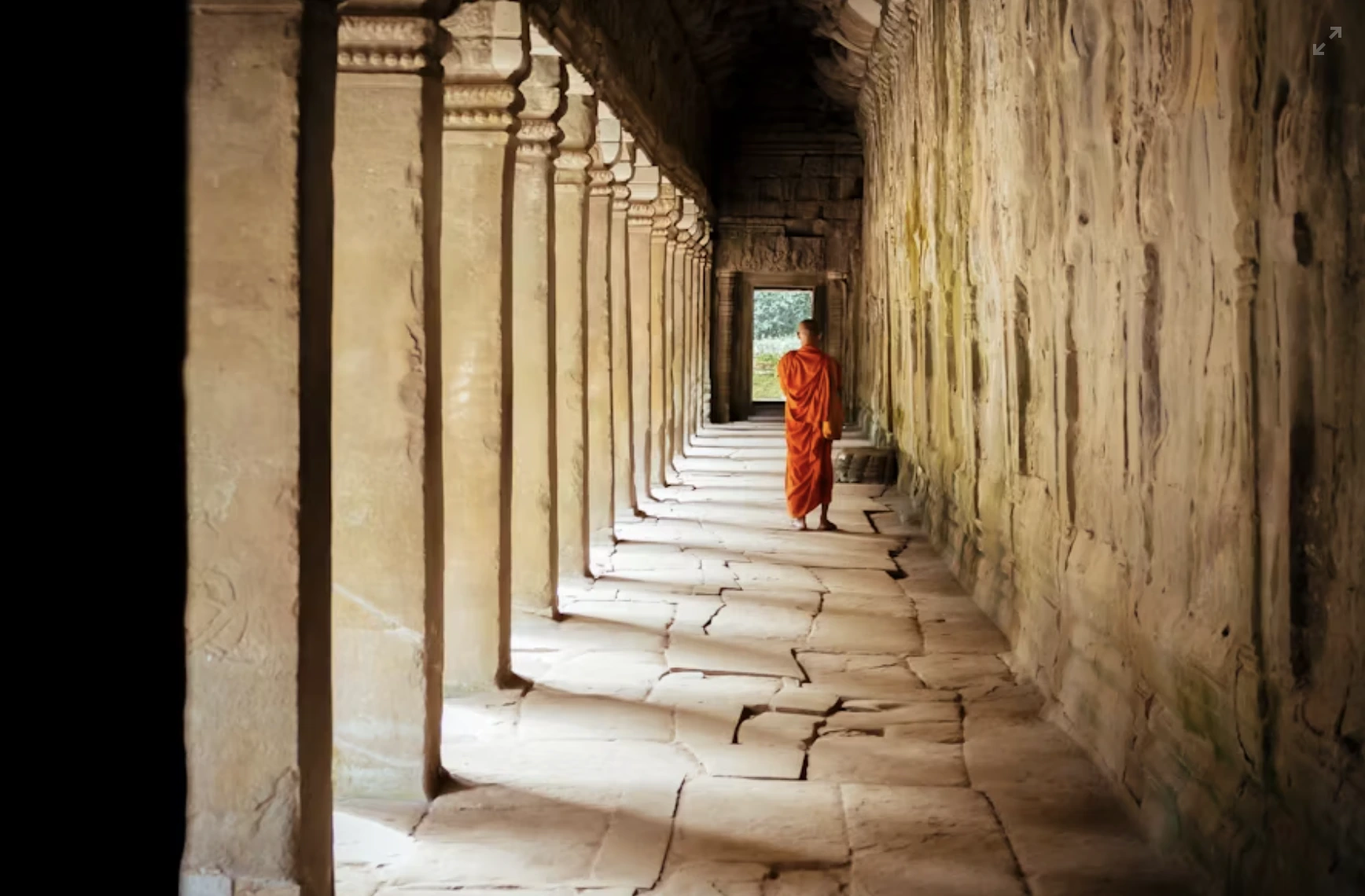
 Wear modest clothes at temples, with shoulders and knees covered.
Cambodia Itineraries by Length (7–21 Days)
The itineraries below are designed as flexible frameworks. Each one shows how to connect destinations in a logical order, with enough time at each stop to enjoy the experience. You can follow them exactly or adjust days based on your interests, season, and arrival point. Use them as a practical Cambodia trip plan that you can fine-tune later.
7-Day Cambodia Highlights Itineraries
This itinerary gives a focused introduction to Cambodia in one week. It starts in Siem Reap with Angkor’s main temples, then follows one of two paths depending on travel style. The Phnom Penh route adds history and city life, while the Kampot and Kep route trades the capital for a quieter river and coastal finish. For a smoother start, this Siem Reap plan for first-time visitors is also a helpful reference.
Option A – Siem Reap + Phnom Penh
This route gives a first-time overview of Cambodia’s temples and modern history.
Day 1: Arrive in Siem Reap. Light city walk, night market, early night.
Day 2: Angkor Wat sunrise, Angkor Thom, Bayon, Ta Prohm.
Day 3: Outer temples or slower Angkor day, evening free in town.
Day 4: Floating village or local market visit, afternoon travel to Phnom Penh.
Day 5: Royal Palace, Silver Pagoda, National Museum.
Day 6: S21 Prison and Killing Fields, riverside walk in the evening.
Day 7: Departure from Phnom Penh.
 Phnom Penh’s riverside is a relaxing place to unwind after a museum day.
Option B – Siem Reap + Kampot / Kep
This option mixes temples with a quieter river and coastal finish.
Day 1: Arrive in Siem Reap, relaxed evening.
Day 2: Angkor Wat sunrise and main temples.
Day 3: Additional Angkor sites or countryside activity. For travelers with 3 days in Siem Reap, this kind of pacing keeps mornings focused and afternoons flexible.
Day 4: Travel south to Kampot via Phnom Penh.
Day 5: Kampot river cruise, pepper farms, town walk.
Day 6: Kep day trip, crab market, coastal walk.
Day 7: Departure from Kampot or return to Phnom Penh.
 Kampot is perfect for slow evenings by the river after busy temple days.
10-Day Classic Temples & Capital Itinerary
Route flow: Siem Reap - Kampong Thom or Battambang - Phnom Penh
This route focuses on Cambodia’s cultural and historical heart. It begins in Siem Reap with Angkor’s main temples, then adds a countryside stop for pre-Angkor sites or rural scenery. The trip ends in Phnom Penh, where royal landmarks and memorial sites give context to Cambodia’s recent past.
Days 1–4: Siem Reap and Angkor – Arrive and settle in, then explore Angkor Wat at sunrise, Angkor Thom, Bayon, and Ta Prohm. Visit Banteay Srei and quieter temples, and take time for a floating village or local market. Evenings are free to relax or enjoy town cafés.
Days 5–6: Countryside and Battambang/Kampong Thom – Travel to Kampong Thom or Battambang. Explore Sambor Prei Kuk or the surrounding countryside before continuing to Phnom Penh.
Days 7–8: Phnom Penh Highlights – Visit the Royal Palace, Silver Pagoda, and National Museum. Spend a day learning Cambodia’s history at S21 Prison and the Killing Fields.
Days 9–10: Phnom Penh Leisure and Departure – Stroll local markets, enjoy riverside cafés, and soak up city life before departing from Phnom Penh.
10-Day Temples & Coast / Island Itinerary
Route flow: Siem Reap - Phnom Penh - Kampot - Kep - Sihanoukville - Koh Rong or Koh Rong Sanloem
This route blends culture with downtime. It starts in Siem Reap for Angkor, then shifts briefly to Phnom Penh for context before heading south. Kampot and Kep slow the pace with river and coastal scenery. The trip finishes on an island, giving space to rest after busy travel days.
Day-by Day Breakdown
Days 1–3: Siem Reap – Arrive, settle in, and explore the town. Visit Angkor Wat, Angkor Thom, Bayon, and Ta Prohm, with afternoons for rest or optional activities like cooking classes or countryside tours.
Days 4–5: Phnom Penh – Travel to Phnom Penh and see the Royal Palace, Silver Pagoda, and National Museum. Evenings are for riverside walks and local food.
Days 6–8: Kampot and Kep – Unwind in Kampot with riverside evenings. Explore Bokor Mountain, pepper farms, and take a day trip to Kep for the crab market and coastal walks.
Days 9–10: Koh Rong or Koh Rong Sanloem – Ferry to the island for beach time, swimming, or short boat trips. Relax before departure or returning to the mainland.
 A few quiet beach days can balance out a busy temples-and-city route.
14-Day In-Depth Cambodia Itinerary
Route flow: Phnom Penh - Kampot - Kep - Koh Rong Sanloem - Battambang - Siem Reap
This itinerary allows enough time in each destination to reduce long travel days and frequent packing. Starting in Phnom Penh avoids backtracking and sets the historical foundation early. The route then moves gradually south to the coast and islands, before looping north through Battambang to Siem Reap. Each region gets enough time without rushing travel days.
Day-by Day Breakdown
Days 1–3: Phnom Penh –Arrive and settle in, then visit the Royal Palace, Silver Pagoda, and National Museum. Spend one day at Tuol Sleng (S21) and the Killing Fields. Evenings are best along the riverside or local markets.
Days 4–6: Kampot –Travel south to Kampot and enjoy relaxed riverside evenings. Explore the countryside, pepper farms, and salt fields, and end the day with a river cruise or sunset.
Day 6 (Optional): Kep –Take a short trip to Kep for the crab market, coastal walks, and quiet beaches. Return to Kampot in the evening.
Days 7–9: Koh Rong Sanloem –Ferry to the island and unwind. Spend days on the beach, swimming, or trying optional activities like snorkeling and boat trips.
Days 10–11: Battambang –Travel north to Battambang and explore temples, villages, and Phnom Sampov by tuk-tuk or bike. Watch the bat cave at sunset and enjoy calm evenings.
Days 12–14: Siem Reap and Angkor –Arrive in Siem Reap for early temple mornings. Visit Angkor Wat, Angkor Thom, and Ta Prohm. Reserve one evening for Angkor Wat sunset tours if you want softer light and fewer early-morning alarms.
21-Day Slow-Travel Cambodia Itinerary & Extensions
Route flow: Phnom Penh - Kampot- Kep - Koh Rong / Koh Rong Sanloem - Battambang - Siem Reap
This route focuses on flexibility rather than distance. Major stops stay the same as the 14-day plan, but with added time in villages, around Tonle Sap Lake, and on the islands. The longer length also allows easy cross-border travel, usually entering from Vietnam and exiting via Thailand or flying onward.
Day-by Day Breakdown
Days 1–3: Phnom Penh –Explore the Royal Palace, National Museum, and riverside areas, with one day for S21 and the Killing Fields. Evenings stay relaxed around markets and Mekong cafes.
Day 4: Countryside or Silk Island –Take a short trip to Koh Dach or nearby villages to see rural life and weaving traditions. Return to the city by late afternoon.
Days 5–7: Kampot and Kep –Slow down with river sunsets, pepper farms, and Bokor Mountain. Add a Kep day trip for the crab market and quiet coastal walks.
Days 8–11: Koh Rong or Koh Rong Sanloem –Enjoy beach time, swimming, and light activities with no fixed schedule. These days focus on rest and simple island life.
Days 12–14: Battambang –Explore countryside temples, caves, and villages by tuk-tuk or bike. Watch the bat cave at sunset and enjoy the town’s calm evenings.
Days 15–18: Siem Reap and Angkor –Visit Angkor over several mornings, including sunrise and main temples. Many travelers choose Angkor Wat private tours here to control start times and avoid the biggest tour waves.
Days 19–21: Tonle Sap or Regional Extension –See floating villages or rural areas around Tonle Sap. Alternatively, travel onward into Vietnam or Thailand via easy overland routes.
Optional extension: Vietnam - Cambodia - Thailand
A 21-day plan works well as part of a wider regional route, especially Cambodia–Vietnam–Thailand tours that connect major hubs with fewer backtracks. Entering Cambodia from Vietnam through Ho Chi Minh City to Phnom Penh is smooth and popular. Ending in Siem Reap also connects well to flights into Hanoi or Bangkok.
A local tip is to travel south to north when combining countries. Vietnam → Cambodia → Thailand usually flows better with transport and flights. Border crossings work best by land into Phnom Penh, then flying onward to save time at the end.
Destination Guide Inside Your Cambodia Itinerary
Siem Reap and the Angkor Area
Siem Reap works as the main base for visiting Angkor Archaeological Park. The town has strong food options, night markets, and cultural shows. Many travelers stay near Pub Street for nightlife or around Wat Bo for quieter evenings. If you want quick ideas for food, markets, and easy activities, start with a list of must-do things in Siem Reap.
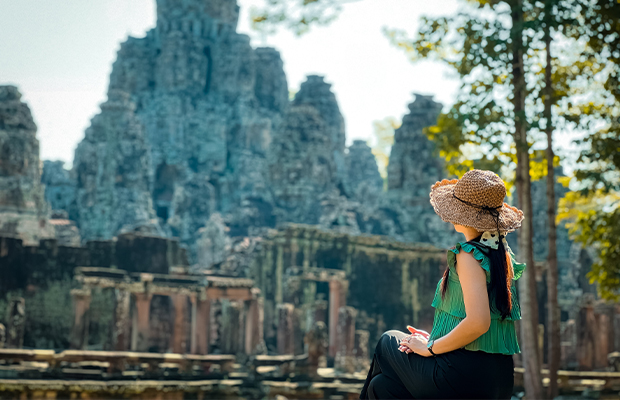
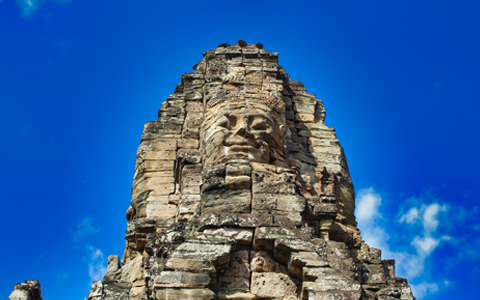
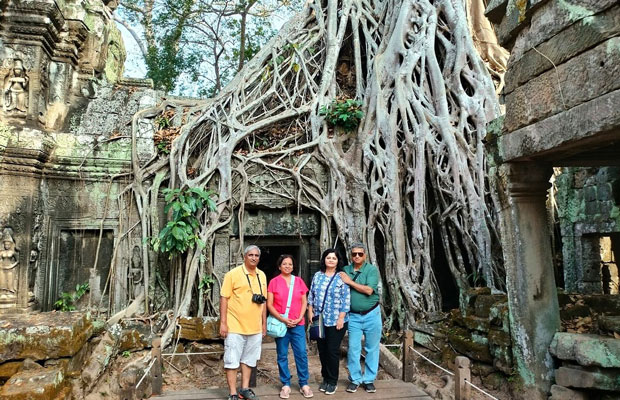
Angkor Wat remains the main draw and usually sets the pace of a Cambodia itinerary. Sunrise visits start early but reward patience with calm light and fewer crowds. Nearby highlights include Angkor Thom, Bayon's stone faces, and Ta Prohm's tree-covered ruins. Before you go, it helps to know the easiest ways of getting to Angkor Wat from town.
Beyond the main circuit, quieter temples offer breathing room. Banteay Srei stands out for its detailed pink sandstone carvings. Tonle Sap floating villages show daily life tied to seasonal water levels. Plan at least two full days to avoid rushing the experience. If you’re still deciding where to spend more time, this guide to the best places to visit in Cambodia can help you balance temples, cities, and the coast.
 Ta Prohm is famous for its giant tree roots growing over ancient stone ruins.
Phnom Penh: Capital and Riverside Life
Phnom Penh sits at the meeting point of the Mekong and Tonle Sap rivers. The city blends colonial streets, busy markets, and modern development. It feels faster than other Cambodian cities but stays manageable for visitors. For a simple checklist of sights, markets, and local food areas, see these things to do in Phnom Penh.
Key sights cluster near the riverfront. The Royal Palace and Silver Pagoda reflect royal history and religious tradition. The National Museum provides a strong context through Khmer sculpture and artifacts. Morning visits work best due to the heat.
Cambodia's recent history shapes Phnom Penh deeply. Tuol Sleng and the Killing Fields document the Khmer Rouge period and require emotional readiness. Afterward, the riverside promenade offers space to unwind with cafes, parks, and sunset views.
Kampot and Kep: River, Pepper, and Coast
Kampot sits along a calm river beneath the Elephant Mountains. The town feels slow and relaxed, with colonial buildings now housing cafes and guesthouses. Days pass quietly, with evenings focused on riverside dining and short walks.
Day trips define the Kampot experience. Bokor Mountain offers cooler air, old French ruins, and wide valley views. Pepper farms explain why Kampot pepper gained a global reputation. River cruises and kayaking reveal mangroves and fireflies at sunset.
Kep lies a short drive away on the coast. The town centers around seafood, quiet beaches, and decaying villas from its resort past. The crab market serves its famous pepper crab dish fresh from the sea. Many travelers split time between both towns for balance.
 Kampot is a calm riverside town, perfect for slow evenings and simple walks.
Koh Rong and Koh Rong Sanloem: Island Time
These islands offer Cambodia's best beaches, reached by ferry from Sihanoukville. Koh Rong is larger and livelier, with hostels, beach bars, and parties near Koh Touch. Quieter beaches like Long Beach sit farther from the crowds.
Koh Rong Sanloem suits travelers seeking calm. Saracen Bay lines a long white-sand beach with low-key resorts and bungalows. Days revolve around swimming, snorkeling, and reading by the water. Nightlife stays minimal and relaxed.
Both islands share simple conditions. There are no ATMs, limited electricity, and unreliable internet. Bring enough cash and allow schedule flexibility during monsoon months. Ferry crossings can turn rough, so weather matters when planning stays.
Battambang: Countryside, Hills, and Local Life
Battambang sits along the Sangkae River, surrounded by rice fields and low hills. The town feels slower and more traditional than major tourist centers. Colonial buildings line quiet streets, and daily life follows a steady rhythm. If you want a short list of stops and local experiences, check these things to do in Battambang before you go.
The surrounding countryside draws most visitors. Bicycle or tuk-tuk routes reach temples, villages, and caves outside town. Phnom Sampov offers wide views at sunset and holds sobering Khmer Rouge history. Each evening, millions of bats stream from their caves in a striking natural display.
Battambang also supports Cambodia's creative scene. Phare Ponleu Selpak trains young performers in circus and theater. Evening shows blend skill with local stories. The town suits travelers seeking culture, scenery, and a calmer pace.
 Battambang is great for slow countryside trips by bike or tuk-tuk.
Transport Between Main Cities in Cambodia
Moving between cities in Cambodia is easier than it first looks. Most travelers rely on buses and minivans because they are cheap, frequent, and simple to book. Private cars cost more but save time and effort, especially in groups. If you want a quick overview of routes, airports, and border entry options, this guide on how to get to Cambodia is a helpful starting point.
 Buses and minivans are the most common way to travel between cities in Cambodia.
Here's a clear overview of the most common intercity routes, with realistic travel times and prices. These ranges reflect what travelers usually experience rather than ideal conditions.
|
Route |
Transport Options |
Travel Time |
Typical Cost |
|
Phnom Penh ↔ Siem Reap |
Bus, Minivan, Flight |
5–6 hrs (road), 1 hr (flight) |
$10–15 (road), $50–100 (flight) |
|
Phnom Penh ↔ Kampot |
Bus, Minivan, Train (limited) |
3–4 hrs |
$8–12 |
|
Kampot ↔ Kep |
Bus, Tuk-tuk, Taxi |
30–45 min |
$3–8 |
|
Kampot / Kep ↔ Sihanoukville |
Bus, Minivan, Taxi |
2–3 hrs |
$7–12 |
|
Sihanoukville ↔ Islands |
Ferry |
45–60 min |
$20–25 return |
|
Phnom Penh ↔ Battambang |
Bus, Minivan |
5–6 hrs |
$10–15 |
|
Battambang ↔ Siem Reap |
Bus, Minivan, Boat (seasonal) |
3–6 hrs (road), 6–8 hrs (boat) |
$10–15 (road), $25–35 (boat) |
Buses feel more spacious and are suited to longer trips, while minivans reach destinations faster but feel tighter. Boats depend on water levels and weather, so schedules shift during the rainy season. Flights make sense only when time matters more than cost.
A useful local tip is knowing when to upgrade. Group buses work well for short hops and solo travel. Private transfers shine for families, groups splitting costs, or days when you want fewer stops and a calmer ride. For planning the most common route, this Siem Reap to Phnom Penh transport guide makes it easier to choose between bus, minivan, and flight.
Cambodia Trip Budget Overview
Cambodia works well for many budgets. Daily costs stay lower than most nearby countries, even with comfort added. Your final spend depends on pace, hotel style, and how often you use private transport. If you want a quick estimate before you book, this guide on Cambodia travel cost is a helpful starting point.
 Cambodia is very budget-friendly, and local food can be delicious and cheap.
Prices stay fair across the country. Angkor tickets and island ferries cost the same for everyone, but food and hotels give more choice. Street meals cost very little, while boutique stays and private drivers raise the daily total fast. It’s also smart to set aside a small amount for souvenirs and markets, especially if you enjoy shopping in Cambodia in places like night markets and local craft shops.
Most travelers fall into three clear ranges. Backpackers keep things simple and move by bus. Mid-range visitors mix comfort with local options. Higher-end trips focus on ease, space, and time saved. If Cambodia is part of a longer regional journey, prices and pacing change, so it helps to look at possible Southeast Asia tours early. .
The following table shows the daily budget ranges and common costs:
|
Travel Style |
Typical Daily Budget (per person) |
What’s Included |
Common Extra Costs |
|
Budget |
USD 30–45 |
Hostels or basic guesthouses, street food, public buses, shared tuk-tuks |
Angkor pass USD 37–62, museums USD 5–10, island ferry USD 25–30 |
|
Mid-range |
USD 60–100 |
3–4 star hotels, mix of local food and restaurants, some guided tours |
Day tours USD 25–50, private tuk-tuk days USD 15–25 |
|
Higher-end |
USD 150+ |
4–5 star hotels, private transfers, guides, restaurant dining |
Private drivers USD 60–120 per day, boutique tours USD 70+ |
You can keep costs down with a few simple habits. Eat where locals eat once or twice a day. Take buses or shared vans for long trips. Stay slightly outside the main tourist areas, then use tuk-tuks to get around.
Some expenses are worth it, like getting a licensed guide at Angkor, which helps you understand what you’re seeing. Private transfers save energy on long or bumpy routes. On the islands, choose reliable boats rather than the cheapest ride.
Cash makes things easier. Carry small US dollar bills and some riel for daily use. ATMs add fees, so it’s better to withdraw larger amounts less often.
What to Pack for Cambodia
Think light and breathable when packing for Cambodia. Cambodia stays hot and humid most of the year, so a few t-shirts, shorts, and one or two long pants go a long way. Fabrics that dry fast feel far more comfortable than heavy materials once you start moving around. If you prefer a simple checklist, this guide on packing for Cambodia can help you avoid overpacking.
 Pack light, breathable clothes and a few practical extras for hot and humid days.
A single long-sleeve shirt earns its place in your bag. It helps with sun exposure during temple visits and cold air on buses. Women should carry a sarong or long skirt for dress rules, while men need long pants for places like the Royal Palace.
Shoes matter more than fashion here. Comfortable walking shoes handle uneven temple paths and old streets without trouble. Add simple sandals or flip-flops for towns and guesthouses, and leave extra pairs at home.
The weather can change quickly, especially during the rainy season. From May to October, a light rain jacket or poncho saves you from sudden downpours. Dry season travelers can skip it unless mountain trips are planned, but sun protection stays important year-round.
A few practical extras make daily travel easier. Bring sunscreen, mosquito repellent, and a small first-aid kit with basics you trust. A reusable water bottle, power bank, and small daypack help during long days out, while keeping valuables simple lowers stress.
Responsible travel note: Choose reef-safe sunscreen, refill water bottles where possible, and avoid single-use plastics. Dress respectfully at temples, stay on marked paths at historical sites, and support local businesses rather than mass-produced souvenirs.
Frequently Asked Questions About Cambodia Itineraries
Is Cambodia Safe for Solo and Female Travelers?
Yes, Cambodia is safe for solo and female travelers. However, you should follow basic safety precautions like avoiding quiet streets late at night, and keeping valuables secure in busy areas. Overall, many women travel alone without issues in Cambodia. If you want extra confidence, reading a few practical tips for Cambodia solo travel can make planning feel much easier.
Is 7 Days Enough for a First Cambodia Itinerary?
Yes, 7 Days are enough for a first-time Cambodia Itinerary. Seven days give a good first look. You can cover Angkor and one more place, like Phnom Penh or Kampot. It feels busy but still manageable.
Should I Start in Phnom Penh or Siem Reap?
Start in Siem Reap. Siem Reap works best for most first trips since Angkor is the main highlight. Phnom Penh fits better if you want history first or arrive by international flight.
How Do I Combine Cambodia With Vietnam or Thailand?
Most routes run overland between Phnom Penh or Siem Reap and nearby border cities. Flights also save time on longer routes. Cambodia fits well at the start or end of a wider trip. Many travelers simply follow ready-made routes like Cambodia and Vietnam tours, then add Thailand if they have more time.
Can You Drink Tap Water in Cambodia?
No, tap water is not safe to drink in Cambodia. Bottled water is cheap and easy to find everywhere. Many hotels provide refill stations.
Do I Need a Tour, or Is Independent Travel Easy?
Independent travel is simple, with buses, tuk-tuks, and local guides available on arrival. Guided tours help most at Angkor and for rural areas.
How Early Should I Book Hotels and Angkor Tickets?
Hotels should be booked a few weeks ahead in peak season. Angkor tickets can be bought on arrival or the day before visiting.
Conclusion: Choosing the Right Cambodia Itinerary for You
Planning a Cambodia tour itinerary comes down to three things: trip length, what you want to do, and the season. Short trips hit the highlights, while longer ones let you explore temples, countryside, and islands at a calmer pace.
Consider your travel style. Rushing through everything can be tiring. Slower routes let you enjoy each stop, meet locals, and take in the scenery. Season affects the experience too. Dry months suit temples and cities, while the green season shows off lush landscapes with fewer crowds.
If you’re unsure how to put it all together, a local specialist can help. You can request a free custom Cambodia itinerary from us at Indochinatour.com, tailored to your dates, interests, and travel style.
Our team knows the best routes, hidden gems, and seasonal tips to make your trip smooth and memorable. With expert guidance, you’ll skip the guesswork and focus on enjoying Cambodia fully, knowing each day is organized for comfort, experiences, and local flavor. Contact us for more details.
Srey Pov
Cambodia is my home, not simply another stop on an itinerary.
I was born in Phnom Penh, studied Hotel and Tourism Management, and have worked in tourism for 15 years. I’ve also traveled extensively through Vietnam, Laos, Thailand, and Myanmar.
My work has included private journeys as well as a multi-country trip for a group of more than 50 travelers, which received a five-star review.
When I write about Cambodia and the wider region, I bring the view of someone who lives here and has spent years planning trips on the ground—not just repeating what appears in standard destination guides.
Email me about your travel idea