
When Is the Best Time to Visit Cambodia in 2026? Weather, Festivals & Times to Avoid

Srey Pov
Cambodia is my home, not simply another stop on an itinerary.
I was born in Phnom Penh, studied Hotel and Tourism Management, and have worked in tourism for 15 years. I’ve also traveled extensively through Vietnam, Laos, Thailand, and Myanmar.
My work has included private journeys as well as a multi-country trip for a group of more than 50 travelers, which received a five-star review.
When I write about Cambodia and the wider region, I bring the view of someone who lives here and has spent years planning trips on the ground—not just repeating what appears in standard destination guides.

 Email me about your travel idea
The best time to visit Cambodia is November through February when temperatures cool down, and humidity drops to comfortable levels. During these months, the sky stays clear, rain is rare, and you can actually enjoy being outside all day. Tourists flock to Cambodia during this window precisely because the weather cooperates so reliably.
The worst time to visit Cambodia is September and October, when rainfall peaks and flooding becomes a genuine concern. Roads turn into rivers in rural areas. Boat schedules get cancelled without warning.
That said, "worst" is relative—plenty of travelers visit during these months and have great experiences, but you need flexibility and patience. The infrastructure in major tourist areas can handle the rain, but venturing off the beaten path requires serious preparation.
In this article, we will break down Cambodia’s best and toughest travel periods. You’ll also get a clear look at Cambodia’s seasons and what 2026 might look like for travel across the country.
 At-a-Glance: When Cambodia Is Easy, Difficult, or Best Avoided
Cambodia Weather Overview: Temperature and Rainfall Patterns
Best Time to Visit Cambodia: November to February
Best Time to Experience Local Festivals: March & April
Is the Rainy Season the Worst Time to Visit Cambodia? Not Really
Best Time to Visit Cambodia by Travel Style
Choosing the Right Time by Destination Inside Cambodia
Travel Tips for Choosing the Right Time
Conclusion: Choosing the Best Time for Your Cambodia Trip in 2026
At-a-Glance: When Cambodia Is Easy, Difficult, or Best Avoided
Cambodia places a higher premium on timing than many destinations in the region. Weather affects more than comfort—it shapes movement, access, and daily effort. Seasonal shifts change how reliable roads are, how often river transport runs, and how practical rural travel becomes. Many travelers start by browsing Cambodia tours to see which routes match each season.
For most travelers, November through February remains the easiest period. Humidity drops, rainfall stays low, and conditions stay stable across much of the country. Travel days feel predictable, and outdoor sightseeing is easier to sustain. This remains the most forgiving window for visits in 2026.
The most demanding months are September and October, when the monsoon peaks. Heavier rain increases flooding risk, especially outside major cities. Rural access becomes less reliable. Travel is still possible, but flexibility and buffer time matter more.
Other months fall between these extremes. March and April bring intense heat, while May through August bring regular afternoon rain alongside lower prices and fewer crowds. With adaptable planning, these periods can still work well.
Cambodia remains open year-round. The real difference between seasons is not access, but effort. Understanding how much adjustment each period requires helps travelers choose timing more confidently.
Cambodia Travel Timing Summary
|
Planning Question |
Practical Answer |
|
Easiest months for most travelers |
November to February |
|
Lowest-cost travel period |
May to August |
|
Months that require the most flexibility |
September and October |
|
Best months for Angkor and temple circuits |
November to February |
|
Best period for urban exploration |
November to February |
|
Best window for beaches and islands |
November to February, early rainy season |
|
Key festival months |
April, November |
The following sections explain how Cambodia’s climate behaves on the ground, how different regions respond to the seasons, and how to choose timing based on travel goals rather than averages.
Cambodia Weather Overview: Temperature and Rainfall Patterns
Cambodia’s climate looks simple on paper, but it feels very different once you arrive. Temperature charts alone do not explain how travel days unfold. Humidity, cloud cover, rainfall timing, and ground conditions matter far more than averages.
Cambodia sits fully within the tropical zone. Heat is constant. What changes through the year is how that heat behaves? Sometimes it feels dry and manageable. Other times it feels heavy and draining. Rain does not usually ruin days, but it can reshape them.
Understanding this difference helps travelers plan realistically instead of reacting once they arrive.
Understanding Cambodia’s Two Main Seasons
Cambodia has two main seasons that define travel conditions. The dry season runs from November to April and brings long stretches of clear skies. Rainfall during this period remains rare, especially between December and February, which is why these months attract the most visitors.
The rainy season lasts from May to October. Rain usually arrives in the afternoon or evening rather than all day. Mornings often remain bright, which allows sightseeing before showers begin. This pattern stays fairly consistent, though rainfall intensity increases later in the season.
The shift between seasons can feel sudden. One week may bring steady sunshine, and the next may introduce daily rain. These transitions matter for travelers planning long stays or moving between regions.
Temperature Ranges Throughout the Year
Temperatures in Cambodia remain warm year-round. Most days fall between 25°C and 35°C, with limited variation between months. Seasonal comfort depends more on humidity and cloud cover than on temperature alone.
December and January feel slightly cooler, especially in the early morning. In northern areas, temperatures can drop to around 22°C at dawn. These cooler hours make walking-heavy activities more enjoyable before midday heat returns. A quick look at January weather in Cambodia helps set realistic expectations for mornings and daytime heat.
April marks the hottest period of the year. Phnom Penh and other lowland cities often reach 38°C. Humidity amplifies this heat, making rest breaks essential even for experienced travelers.
Regional Rainfall Variations Across Cambodia
Rainfall does not affect all parts of Cambodia equally. Southwestern coastal regions receive the highest rainfall due to their exposure to monsoon winds. Areas near Sihanoukville and Koh Kong experience heavier and more frequent rain during the monsoon months.
Central regions, including Phnom Penh and Siem Reap, receive moderate rainfall. These areas remain easier to navigate during the rainy season because infrastructure handles water better. Flooding happens occasionally but usually clears quickly.
Northern and northeastern provinces are the driest. Rainfall levels here stay lower even during peak monsoon months. Travelers who understand these differences can adjust routes to reduce weather disruption.

Coastal areas can see heavier rain and darker skies during monsoon months.
Humidity Levels and What They Mean for Travelers
Humidity remains high in Cambodia throughout the year. Levels usually range between 70% and 90%. During the dry season, humidity stays closer to the lower end, which makes the heat feel more manageable.
During the rainy season, humidity rises sharply. Clothes dry slowly, and shoes may develop moisture if stored improperly. Electronics and documents need protection from damp conditions, especially during long stays.
Humidity affects comfort more than temperature numbers suggest. A 30°C day with lower humidity feels easier than the same temperature paired with heavy moisture in the air. Travelers who pace their days around this reality adapt more easily.
Cambodia Climate Overview by Season
|
Season |
Months |
Temperature Range |
Rainfall Pattern |
Travel Impact |
|
Dry Season |
November to February |
22°C to 32°C |
Minimal rainfall |
Best for sightseeing and outdoor travel |
|
Hot Dry Season |
March to April |
28°C to 38°C |
Very little rain |
Intense heat, festival-focused travel |
|
Early Rainy Season |
May to August |
26°C to 34°C |
Afternoon showers |
Fewer crowds, greener landscapes |
|
Peak Rainy Season |
September to October |
25°C to 32°C |
Heavy and frequent rain |
Requires flexibility and planning |
How Weather Patterns Shape Daily Travel in Cambodia
Cambodia’s climate influences how travelers structure each day. Early mornings matter more than late starts. Heat and humidity shape energy levels, especially during temple visits and long walks.
Rainy season travel requires timing rather than avoidance. Planning outdoor activities before midday and allowing buffer time improves the experience. Dry season travel allows longer days outdoors but still demands sun protection.
Travelers who understand these patterns adapt faster and enjoy the country more fully. Weather awareness turns potential discomfort into manageable conditions rather than surprises.
Best Time to Visit Cambodia: November to February
Most people call Cambodia easy to travel during November to February. These months fall in the heart of the dry season and offer the most stable conditions.
The weather stays warm without extreme heat. Rain is rare. Roads, transport, and hotels operate without disruption. Days feel easier to plan, and trips move at a steady pace.
The Role of Lower Humidity
Humidity is the single biggest reason these months work so well. From November to February, moisture levels drop enough to change how the body responds to heat. Sweat evaporates. Shade actually cools you. A breeze feels refreshing rather than irrelevant.
This matters at places like Angkor, where visits involve hours of walking over stone paths with limited cover. During high humidity months, even short walks feel draining. During these cooler months, travelers can explore longer without fatigue setting in early.
Lower humidity also improves sleep quality. Even budget accommodations feel more comfortable at night. Recovery between days improves, which allows travelers to maintain energy across a full itinerary.
Daytime Structure During Peak Season
Days during this period follow a reliable rhythm. Early mornings feel cool. Sunrise temple visits become pleasant instead of punishing. By mid-morning, temperatures rise, but not aggressively. Shade offers relief. Lunch breaks feel restorative rather than necessary for survival.
Afternoons stay warm but stable. Travelers can continue sightseeing with pacing. Evenings cool slightly again, which encourages walking, dining outdoors, and exploring night markets.
This predictability allows travelers to plan full days without building in large buffers for weather disruption.
Transportation Reliability
Transport reliability improves dramatically during these months.
Road conditions remain stable across regions. Flooding does not interrupt routes. Long-distance buses run on time. Private transfers move smoothly between cities.
River travel becomes reliable as well. Water levels stabilize after the rainy season. Boat trips to floating villages operate consistently. Schedules hold.
This reliability matters most for travelers moving through multiple destinations. Tight itineraries become realistic. Missed connections become rare.
Why Sightseeing Feels Easier
Cambodia’s main attractions demand time outdoors. Angkor alone requires hours of walking, climbing, and standing in open spaces. During November to February, travelers can pace themselves without rushing. Mornings offer ideal conditions. Even midday exploration remains possible with shade breaks. Many travelers bundle the temples into an Angkor Wat tour to keep transport and timing smooth across multiple sites.
Urban sightseeing benefits too. Phnom Penh’s riverfront walks, markets, and historic neighborhoods feel approachable. Travel does not collapse into short bursts between air-conditioned spaces.
This season supports exploration without constant compromise.

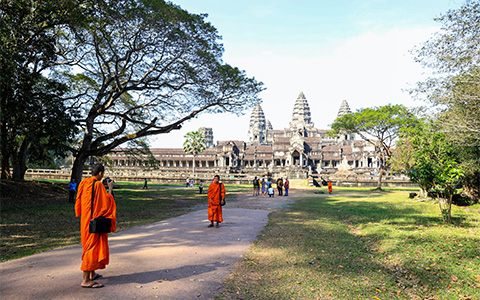
Peak season is comfortable, but popular sunrise spots can get busy.
Regional Conditions During the Best Months
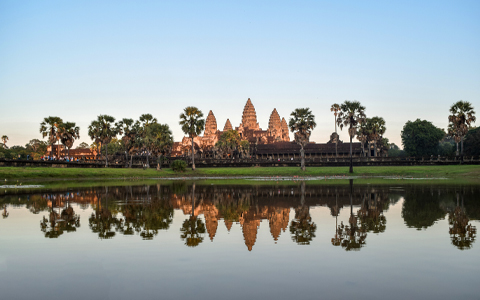
Conditions vary slightly by region even during this ideal window. Siem Reap experiences cool mornings and warm afternoons. Tree cover around temples provides shade. Sunrise visits work especially well. Late afternoons remain comfortable for quieter temple exploration. This is why a focused Siem Reap tour often performs best in the dry-season months.
Phnom Penh stays warmer overall. The city lacks dense tree cover and retains heat longer. River breezes help, but pacing remains important. Still, compared to other months, walking remains realistic.
Southern coastal areas benefit from ocean airflow. Sea conditions stay calm. Visibility improves. Beach days feel relaxed rather than exhausting.
Across the country, this period delivers the most balanced conditions.
Crowd Dynamics and the Cost of Comfort
Comfort comes at a price. November to February marks Cambodia’s busiest period. Visitor numbers rise steadily through December and January. Accommodation rates increase. Popular hotels in Siem Reap and Phnom Penh often sell out weeks in advance.
Angkor Wat becomes crowded at sunrise. Certain viewpoints attract large groups. Nightlife areas fill quickly in the evenings.
Flights into Cambodia also cost more during this period. Tour prices rise. Budget travelers may feel priced out of certain experiences.
This trade-off matters. Some travelers accept higher costs for ease. Others prefer quieter months with more friction but fewer people.
November as the Standout Choice
Among peak-season months, November often stands out. Rainy season has just ended. Landscapes remain green. Tonle Sap Lake stays full, which improves floating village visits. Prices remain lower than in December and January.
Crowds increase gradually rather than suddenly. Temple sites feel busy but not overwhelming. Hotels still have availability at reasonable rates.
Water Festival often falls in November. In Phnom Penh, this brings crowds and road closures. The atmosphere becomes festive and intense. Travelers who enjoy public celebrations often seek this out. Others choose to stay outside the capital during festival days.
For many travelers, November offers the best balance between comfort, atmosphere, and cost.

After the rains, Tonle Sap is fuller, and boat trips feel smoother.
Who Benefits Most From This Period
This window suits first-time visitors who want simplicity. It suits travelers on tight schedules who cannot afford delays. It suits families, older travelers, and those sensitive to heat.
It also suits photographers who want clear skies and stable light.
For travelers who value ease over experimentation, November to February remains the safest choice. Many people match this window with a wider Southeast Asia tour when combining Cambodia with nearby countries.

Best Time to Experience Local Festivals: March & April
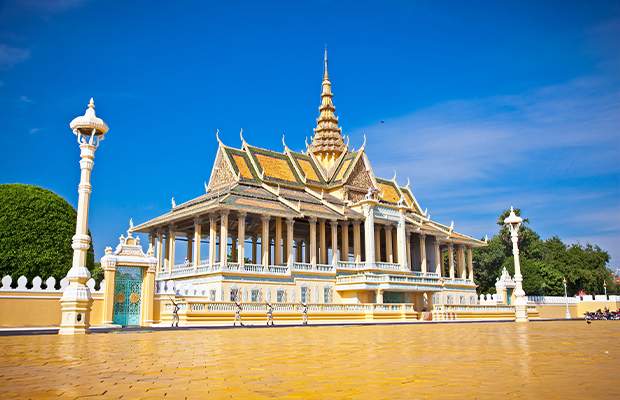
Cambodia’s festivals are not side events added to a travel calendar. They reshape how the country moves, how families gather, and how public space is used. Visiting during festival periods changes the texture of travel more than any shift in weather. Many travelers who want a deeper cultural layer start by browsing things to do in Cambodia and then match experiences to the right month.
March, April, and November stand out as months when culture becomes the dominant force shaping daily life. Travel during these periods feels less structured and more communal.
Schedules loosen. Streets become social. Temples fill with meaning rather than quiet observation. For travelers who value lived experience over efficiency, festival timing offers something no guidebook itinerary can reproduce.
Khmer New Year: The Emotional Center of the Year
Khmer New Year usually falls in mid-April and marks the traditional solar new year. It lasts for three days, though the effects extend well beyond the official dates. For a practical overview of what happens and how to join respectfully, read about Khmer New Year celebrations.
This period centers on family. Many Cambodians leave cities and return to their hometowns. Urban areas feel quieter in the mornings and louder in the evenings. Rural areas fill with visitors and activity.
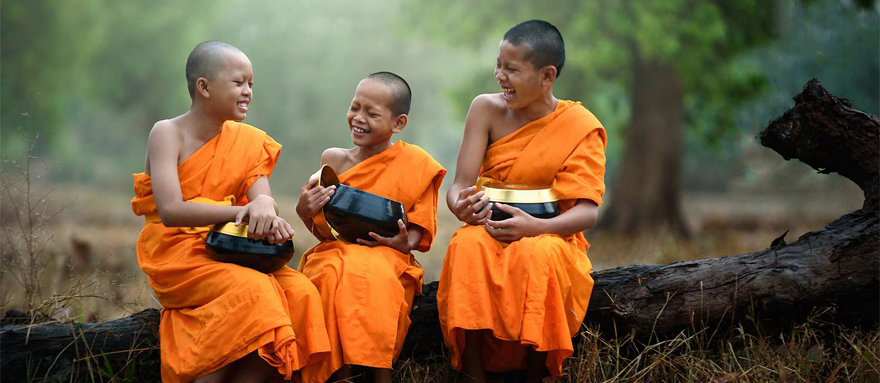
Temples become focal points. People clean statues, make offerings, and participate in ceremonies focused on renewal and gratitude. These rituals are not performed for visitors. They are lived traditions. Observing them offers insight into Cambodian traditions that shape daily life year-round.
In cities like Siem Reap and Phnom Penh, celebrations move beyond temple grounds. Streets fill with music, food, and informal gatherings. Traditional games appear in public spaces. Visitors often find themselves drawn into these moments naturally, without needing tickets or schedules.
Travel during Khmer New Year requires flexibility. Some businesses close. Transport slows as people move across the country. Efficiency drops. Participation rises.
Travelers who approach this period expecting smooth logistics often feel frustrated. Those who slow down and engage usually describe it as the most meaningful part of their trip.

Khmer New Year feels joyful and social, with celebration spreading into the streets.
Heat and Pacing During Festival Travel
April heat is intense. This cannot be ignored. Daytime temperatures rise quickly. Humidity increases. Temple sites with limited shade become challenging after mid-morning. Even experienced travelers need to adjust.
Festival travel during this period works best with early starts and midday rest. Many locals follow this rhythm. Activity intensifies again in the late afternoon and evening, when temperatures ease slightly and celebrations gather momentum.
Water plays a symbolic and practical role during Khmer New Year. Gentle splashing represents cleansing and renewal. In busier areas, it becomes playful. Participation helps relieve heat and break social barriers.
Travelers who resist the heat struggle. Those who accept slower pacing find the experience manageable.

April is hot, so early starts and midday breaks make festival travel easier.
Bon Om Touk: Cambodia’s Relationship With Water
Bon Om Touk, often called the Water Festival, celebrates a rare natural event when the Tonle Sap River reverses its flow direction. This shift supports Cambodia’s agricultural cycle and shapes life around the lake.
The festival usually falls in November, though dates vary slightly year to year.
Boat races form the centerpiece. Teams represent provinces, ministries, and communities. Competition is intense but deeply symbolic. Strength, coordination, and timing matter.
Phnom Penh hosts the largest celebrations. The riverfront fills with spectators, food vendors, and lights. Evenings stretch late. The city becomes crowded and energetic.
For travelers, Bon Om Touk offers context. Rivers and lakes stop being scenery and start becoming systems that sustain life. This understanding adds depth to later visits to floating villages and rural areas.

Bon Om Touk turns the riverfront into a lively, bright celebration at night.
Planning Travel Around Bon Om Touk
Bon Om Touk brings large domestic crowds, especially to Phnom Penh. Accommodation near the riverfront fills early. Prices rise. Movement becomes slower. Traffic restrictions appear. Walking becomes the most reliable way to navigate central areas.
Travelers who plan around these realities experience fewer frustrations. Staying near event areas reduces transit challenges. Others choose to avoid the capital entirely during festival days.
Despite logistical challenges, many visitors value the energy. The festival feels inclusive rather than staged. Participation does not require language or prior knowledge.
Water Rituals and Shared Space
Water rituals during Khmer New Year resemble Songkran celebrations in neighboring countries, but with distinct Cambodian character.
In residential areas, water is shared gently among family members. In busier zones, especially near tourist centers, it becomes playful and spontaneous. Laughter replaces formality.
These moments break down social distance. Visitors become participants rather than observers. Many travelers recall these interactions more vividly than any monument.
Preparation matters. Electronics need protection. Clothing should dry easily. Accepting that you will get wet removes stress.
Why Festival Months Appeal to Certain Travelers
Festival months suit travelers who value experience over control. Comfort decreases. Efficiency drops. Cultural access increases.
Cambodia feels expressive during these periods. Traditions move from private spaces into public life. Social boundaries soften. Shared celebration becomes visible.
Travelers who approach festival months with patience often describe deeper connection. The country feels alive in a way that quiet months cannot replicate.
Festival timing is not ideal for everyone. It demands adaptation. For those willing to adjust, it offers something lasting.
Is the Rainy Season the Worst Time to Visit Cambodia? Not Really
The rainy season in Cambodia runs from May to October and is frequently misunderstood. Many travelers imagine constant downpours and disrupted travel. In reality, rain shapes the day rather than stopping it.
Movement continues, plans adjust, and the country remains accessible for those who understand its rhythm. Rainy season travel is not about endurance. It is about timing and expectation.
How Days Actually Unfold
Most rainy-season days start clear. Mornings often feel calm, warm, and workable. This window supports temple visits, city walks, and intercity travel. Rain usually arrives later, most often in the mid-to-late afternoon. In early rainy months, checking June weather in Cambodia helps travelers plan mornings well and treat afternoons as flexible.
When storms hit, they can be heavy but are rarely endless. After rainfall passes, evenings often reopen. Restaurants fill, streets regain activity, and movement resumes. Travelers who plan mornings carefully and treat afternoons as flexible downtime experience far fewer disruptions. This rhythm favors early starts and relaxed pacing rather than rigid schedules.

After a short storm, evenings often feel fresh and easy to walk.
Fewer Crowds and Better Value
From May onward, visitor numbers drop sharply. Major sites feel quieter, especially from June to August. Angkor’s main temples open up visually, and photography becomes easier without constant foot traffic.
Lower demand also drives prices down. Accommodation costs fall noticeably, allowing travelers to stay longer or upgrade without increasing budgets. Tours and guides become easier to book, and service feels less rushed.
For many travelers, this shift in atmosphere matters more than occasional rain.
When Rain Becomes a Real Challenge
Not all rainy-season months feel the same. September and October bring the heaviest rainfall. Storms last longer, and flooding becomes more common in low-lying and rural areas. Dirt roads can wash out, and river transport may pause during unsafe conditions. A practical overview of Cambodia in September helps set expectations for these tougher weeks.
Travel remains possible, especially in major cities, but flexibility becomes essential. Itineraries that depend on remote access or tight timelines carry higher risk during these months.
Earlier rainy-season months are generally far more manageable.

September can feel heavier, so flexible planning becomes more important.
Who Rainy Season Works Best For
Rainy season suits travelers who value space, cost savings, and atmosphere over efficiency. It works well for repeat visitors, long-stay travelers, and photographers who prefer softer light and greener landscapes.
It is less suitable for travelers with fixed schedules or plans that rely heavily on rural transport.
Rainy season is not the worst time to visit Cambodia. It is simply the most conditional. When expectations align with reality, it offers a quieter, more reflective version of the country that many travelers end up preferring.
Best Time to Visit Cambodia by Travel Style
Cambodia does not reward all travelers equally at the same time of year. Weather patterns, crowd levels, and transport reliability affect each style of travel differently.
Looking at timing through how you move, how long you stay, and what you value produces better outcomes than relying on calendar months alone.
First-Time, Family, and Multi-Generational Travelers
Travelers who prioritize predictability benefit most from stable conditions. This includes first-time visitors, families with children, and older travelers. Cambodia is relatively easy to navigate, but weather still shapes daily effort and comfort.
November through February minimizes friction. Roads stay dry, transport runs consistently, and outdoor sites remain accessible throughout the day.
Visitors can focus on understanding the country rather than adjusting plans. Heat stress stays lower, cancellations remain rare, and long sightseeing days remain realistic. Many people time this window using Cambodia weather December as a quick reference for comfort and crowd season.
Other months increase uncertainty. April heat limits outdoor tolerance, and rainy-season variability can frustrate travelers who depend on fixed schedules. For groups that value ease over savings, dry-season travel remains the safest choice.
Budget Travelers, Long-Stay Visitors, and Digital Nomads
Travelers focused on cost control or extended stays often gain more from Cambodia’s low season than from peak months. From May through August, accommodation prices fall sharply.
Longer stays become affordable, and upgrades to better rooms or locations become possible without higher spend.
Crowds thin out, which changes the pace of travel. Attractions feel less compressed, services feel less rushed, and negotiation becomes easier. Daily costs remain stable, but total trip expenses drop due to accommodation savings.
For digital nomads and slow travelers, rainy-season rhythm often fits well. Internet reliability remains stable, cafés stay quiet, and afternoon rain aligns with rest or work blocks. Dry season crowds and higher rents can make long stays less appealing.
Cultural, Festival, and Experience-Focused Travelers
Travelers who value immersion over efficiency often prefer periods when Cambodian daily life takes priority over tourism flow. April and November stand out.
April brings Khmer New Year, when travel slows and family life moves into public space. Cities empty during the day and fill with celebration later. Efficiency drops, but cultural access increases. November’s Bon Om Touk shifts focus to water, rivers, and seasonal cycles, adding context to both urban and rural travel.
Festival travel requires flexibility. Transport slows, schedules loosen, and comfort decreases. Travelers willing to adapt often describe these periods as the most meaningful part of their trip.
A classic cultural evening during these months is a dinner show featuring Apsara Dance in Cambodia, which helps visitors understand Khmer stories and symbolism beyond temple visits.
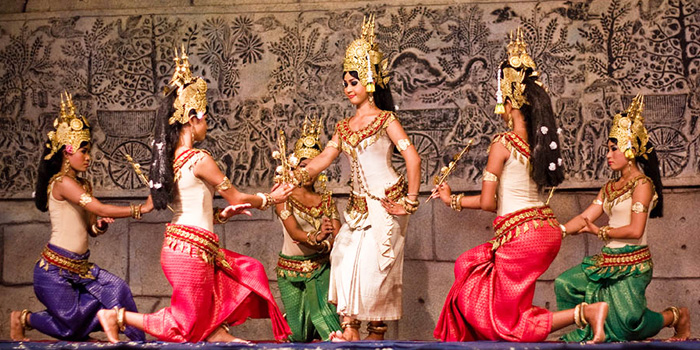
Apsara dance adds a warm cultural layer to evenings in Siem Reap.
Photographers, Couples, and Atmosphere-Driven Travelers
Season choice strongly shapes visual conditions and mood. Dry season offers clear air, consistent light, and sharp textures. Sunrises and sunsets remain predictable. This suits photographers who value control and clarity.
Rainy season delivers depth and atmosphere. Greens intensify, reflections appear, and cloud cover softens contrast. Dramatic skies add visual interest, especially around temples and waterways.
Couples often prefer shoulder periods, such as November or early March. These months balance comfort with lighter crowds. Rainy months can also work for couples seeking privacy and lower prices, particularly when staying in one location rather than moving frequently.
Adventure, Remote, and Complex Itineraries
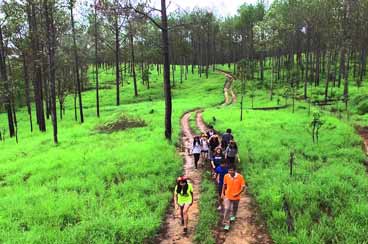
Travelers planning jungle trekking, remote temples, or northeastern provinces must consider access more than comfort. Dirt roads, river crossings, and seasonal transport shape feasibility.
Dry season offers the most reliable access. Roads remain passable, travel times stay predictable, and guesthouses operate consistently. Rainy season complicates logistics. Routes wash out, transport options shrink, and delays increase.
For itineraries with multiple regions, tight transfers, or remote access, November through February remains the safest window. As route complexity increases, the margin for seasonal error narrows. For a smoother setup, many travelers use a step-by-step checklist to plan Cambodia tours and lock in the essentials early.
Cambodia’s travel seasons also matter when building multi-country routes. Many travelers compare the overall flow of Cambodia tourism with nearby borders, then connect it into a larger regional journey.
Choosing the Right Time by Destination Inside Cambodia
Cambodia does not behave as a single destination. Timing that works well in one place can create friction in another. Understanding how different regions respond to seasons helps travelers fine-tune their plans rather than relying on national averages.
This section breaks down timing by major destinations and explains how conditions shape experience on the ground. A helpful starting point is browsing the most popular things to do in Cambodia and then matching each activity to the season that supports it best.
Seasonal Destination Overview
|
Destination |
Best Months |
Challenging Months |
Key Consideration |
|
Siem Reap / Angkor |
Nov–Feb |
Sep–Oct |
Walking exposure |
|
Phnom Penh |
Nov–Feb |
Apr |
Urban heat |
|
Coast / Islands |
Nov–Feb, May–Jul |
Sep–Oct |
Sea conditions |
|
Tonle Sap |
Nov–Jan |
Sep–Oct |
Water levels |
|
Remote regions |
Nov–Feb |
Sep–Oct |
Road access |
Siem Reap and the Angkor Region
Siem Reap revolves around Angkor. Travel here is defined by outdoor exposure, walking distance, and light conditions. Timing matters more here than almost anywhere else in the country.
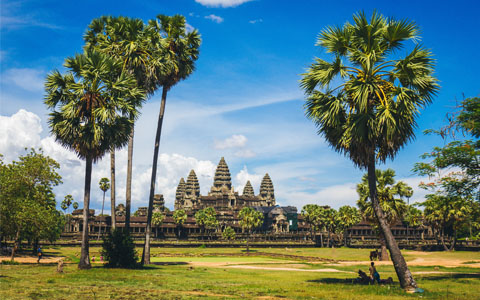
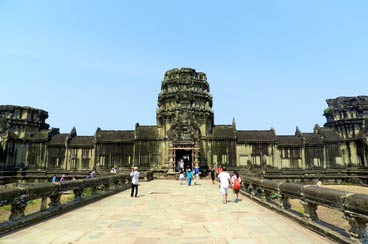
From November to February, Angkor is at its most manageable. Early mornings feel cool. Long temple circuits are realistic. Stone surfaces stay dry. Shade actually cools the body. Visitors can explore multiple sites in one day without exhaustion. Many travelers build their days around classic things to do in Siem Reap, then place temple time in the cooler morning hours.
March and April change the dynamic. Heat builds quickly. Midday exploration becomes difficult. Visitors still come, but itineraries shorten. Many travelers focus only on sunrise visits and rest during the day.
From May to August, rain reshapes the experience rather than ending it. Morning temple visits remain possible. Crowds drop significantly. Reflections appear in temple pools. Vegetation thickens. Paths stay accessible most of the time.
September and October bring the greatest challenge. Heavy rain can flood access roads to remote temples. Some areas become muddy. Major temples remain open, but full circuits require flexibility.
Evenings in town also change by season. In cooler months, walking and dining outdoors feels easier, and the energy around Pub Street lasts longer. A quick guide to Siem Reap nightlife helps travelers plan evenings without overpacking daytime schedules.

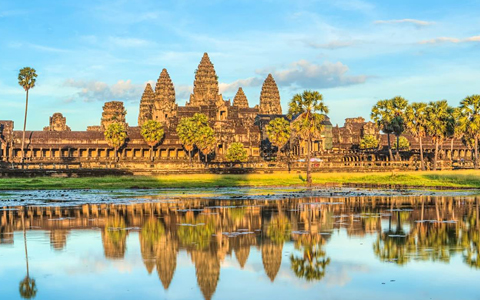
Early rainy season can bring beautiful reflections and fewer crowds at the temples.
Phnom Penh and Central Cambodia
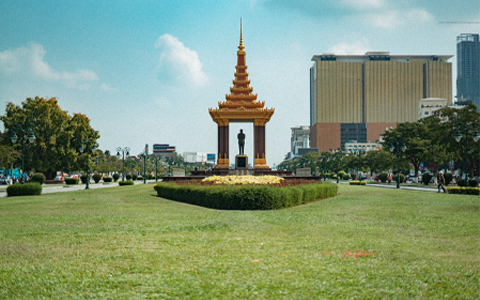
Phnom Penh responds differently to seasons. The city remains navigable year-round due to paved roads and drainage. Rain causes inconvenience rather than shutdown. Heat, however, affects daily comfort more strongly here than in temple zones.
November to February offers the most comfortable walking conditions. Riverfront areas feel pleasant. Markets and neighborhoods are walkable. Evening movement feels natural. Many visitors choose activities from the best things to do in Phnom Penh and cluster outdoor walking earlier in the day.
March and April make daytime walking difficult. Heat lingers in concrete and traffic corridors. Movement shifts to early morning and late evening. Indoor breaks become necessary.
Rainy season travel remains feasible in the city. Afternoon storms slow traffic but rarely stop it. Flooding clears faster than in rural areas. Urban travel during May to August remains practical with pacing.
September and October increase delays. Flooding affects low-lying neighborhoods near rivers. Movement remains possible but slower. For city-focused itineraries, season choice affects comfort more than access. Travelers who prefer a smoother structure often use guided Phnom Penh tours to reduce time lost to heat and traffic.

Evenings in Phnom Penh feel cooler and are great for relaxed walks by the river.
Southern Coast and Island Areas
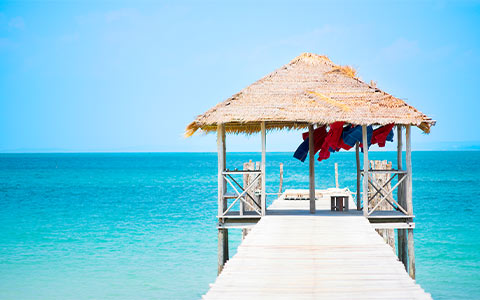
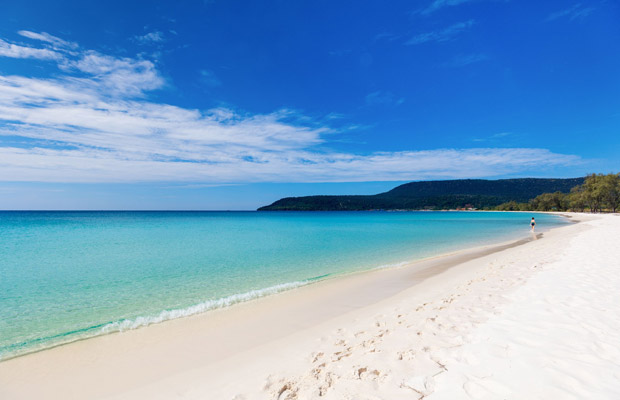
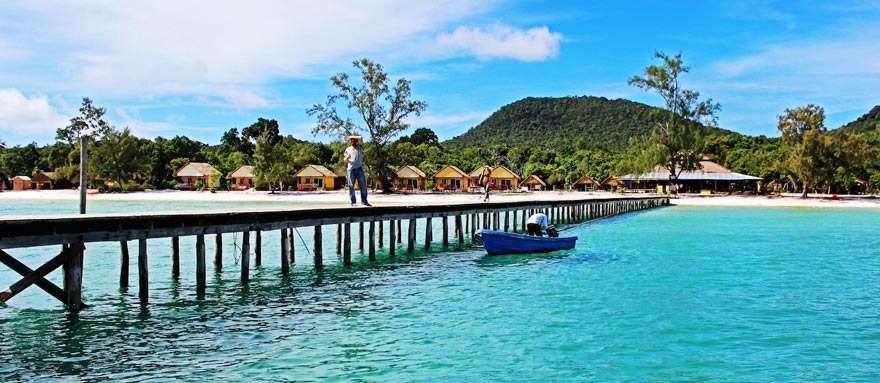
Coastal Cambodia follows a different rhythm. November to February delivers the most reliable beach conditions. Seas remain calm. Visibility improves. Boat travel runs smoothly. Beach days feel relaxed rather than interrupted.
March and April remain workable. Heat increases, but ocean access provides relief. Travel focuses on mornings and evenings. From May to July, rain increases but often arrives later in the day. Beach time remains possible most mornings. Sea conditions usually stay manageable. Prices drop. Crowds thin.
September and October present the greatest challenge for coastal travel. Storms intensify. Sea conditions deteriorate. Boat schedules pause more often. Beach travel becomes unpredictable.
For travelers prioritizing beaches, avoiding September and October matters more than avoiding rainy season as a whole.

Dry-season mornings usually bring calmer seas and smoother boat rides.
Tonle Sap Lake and Floating Villages
Tonle Sap changes dramatically through the year. From November to January, water levels remain high after the rainy season. Floating villages appear fully formed. Boat access improves. Visual impact peaks. Planning is easiest when travelers understand how floating villages shift with water levels across the year.
From February onward, water levels slowly drop. Villages remain accessible, but scale diminishes.
During peak rainy months, the lake expands outward. Villages move further inland. Access varies by location. Some tours operate differently. For floating village visits, November often offers the most dramatic experience.

High water levels make floating villages feel larger and more impressive.
Northern and Northeastern Provinces
Northern Cambodia behaves differently from central regions. These areas receive less rain overall, but infrastructure matters more than totals. Dirt roads define access. Timing affects reach.
November to February offers the safest access window. Roads remain dry. Travel times stay predictable. Remote temples and villages are reachable.
Early rainy season remains workable in many areas. Later rainy months complicate access. Roads wash out. Transport options shrink.
For remote itineraries, season choice determines feasibility rather than comfort.
Travel Tips for Choosing the Right Time
When choosing when to visit Cambodia, flexibility matters more than precise dates. Trips with tight schedules, long transfers, or remote routes benefit from safer timing, while simpler itineraries handle seasonal shifts more easily. As route complexity increases, timing becomes less forgiving.
It also helps to separate inconvenience from real disruption. Heat affects stamina, and rain affects access, but neither usually stops travel altogether. Most weather changes the pace of the day rather than cancelling plans.
Adding buffer time between major moves removes much of the stress, regardless of season. For travel in 2026, entry rules remain straightforward but should be checked close to departure. Most visitors still need a visa, which can be obtained online or on arrival, though requirements vary by nationality.
Passport validity, onward travel proof, and occasional health declarations may be requested. These rules rarely affect timing, but late changes can impact tightly planned trips, especially during peak season.
Booking strategy matters as much as timing. Peak months reward early reservations and clear priorities. Shoulder and rainy periods reward flexibility, refundable bookings, and open days. Leaving space between destinations keeps plans resilient when conditions shift.
Finally, timing works best when paired with destination choice. Cambodia rarely slows down everywhere at once. If one region becomes less convenient, another often remains easy to navigate. Travelers who adjust routes rather than forcing dates tend to move more smoothly and enjoy the trip more fully.
Travel style also matters. Some travelers prefer comfort-first planning with a Cambodia luxury tour, while others choose a slower pace designed for kids and grandparents with a Cambodia family tour.
Conclusion: Choosing the Best Time for Your Cambodia Trip in 2026
Choosing the best time to visit Cambodia in 2026 is less about perfect weather and more about reducing friction. Each season changes how easily you move and how demanding travel days feel. When timing fits your travel style, the experience becomes smoother.
November to February offers the most reliable conditions, while other months trade ease for lower costs, fewer crowds, or cultural depth. There is no single right month. What matters most is how weather and access align with the way you travel.
If you want help turning this information into a practical route, wer can help. As a local travel agency, we can help you build a Cambodia tour itinerary that fits the season you’re traveling, your budget, and the pace you prefer. With on-the-ground knowledge and realistic planning, we focus on smooth logistics, balanced days, and avoiding common timing mistakes.
Contact us to explore custom Cambodia tours or contact our team to start planning a trip that matches how and when you want to travel.
Srey Pov
Cambodia is my home, not simply another stop on an itinerary.
I was born in Phnom Penh, studied Hotel and Tourism Management, and have worked in tourism for 15 years. I’ve also traveled extensively through Vietnam, Laos, Thailand, and Myanmar.
My work has included private journeys as well as a multi-country trip for a group of more than 50 travelers, which received a five-star review.
When I write about Cambodia and the wider region, I bring the view of someone who lives here and has spent years planning trips on the ground—not just repeating what appears in standard destination guides.
Email me about your travel idea